MP CM Mohan Yadav Clears Worker Housing, Star Hotels in Industrial Zones
Synopsis
Madhya Pradesh CM Dr. Mohan Yadav announced that worker housing and star hotels will be permitted inside industrial zones, alongside incentives for small and large industries — a move aimed at building self-sufficient industrial ecosystems and improving workforce retention across the state.
Key Takeaways
Mohan Yadav announced on 19 November 2026 that Madhya Pradesh will permit worker housing and star-category hotels within designated industrial areas.
The policy extends incentives to both small and large industries , signalling an intent to densify the entire industrial ecosystem rather than chase only marquee investments.
Worker housing within industrial zones is a proven workforce-retention strategy deployed by Gujarat and Tamil Nadu and is now being adopted by Madhya Pradesh .
Star hotel permissions are aimed at reducing friction for business visitors, executives, and investment delegations operating in or scouting industrial clusters.
The announcement aligns with Madhya Pradesh's successive industrial policy reforms since 2014 , including single-window clearances and ease-of-doing-business measures.
Specific project approvals, investment numbers, and implementation timelines are yet to be disclosed publicly.
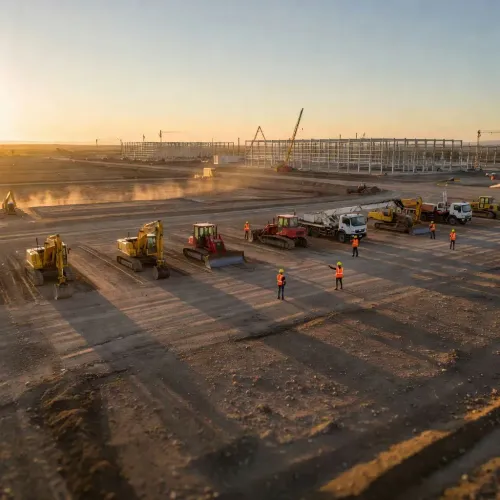
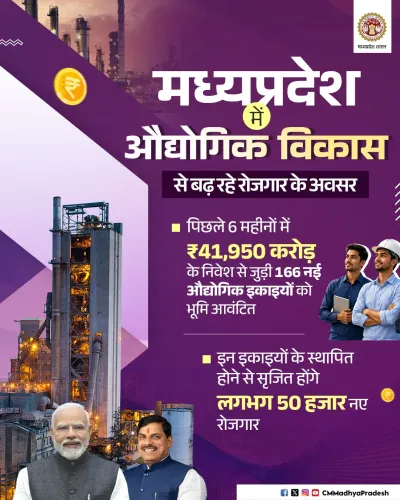
Madhya Pradesh is rewriting the rulebook on what an industrial zone can look like — and Chief Minister Dr. Mohan Yadav wants workers and investors to notice. On Thursday, 19 November 2026, the Chief Minister's Office of Madhya Pradesh announced that the state is now permitting the construction of worker housing and star-category hotels within designated industrial areas, alongside fresh incentives for industries of all sizes.
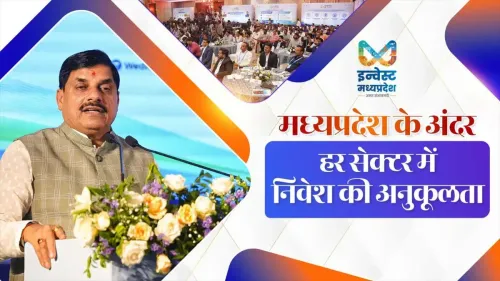
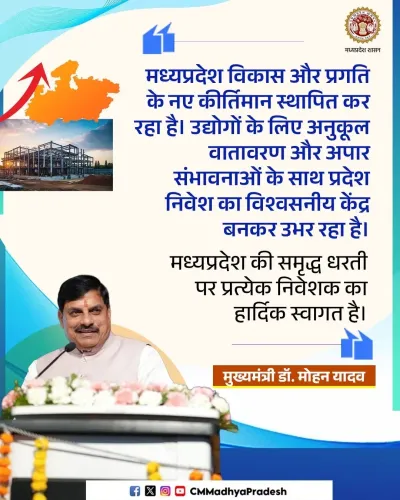
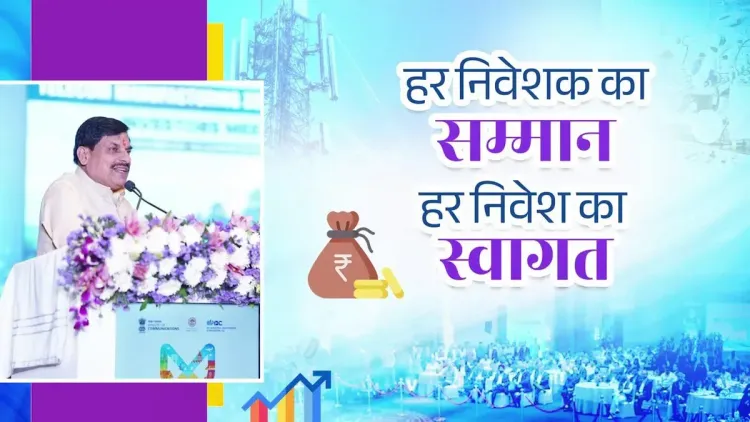
Speaking on the initiative, CM Dr. Mohan Yadav said the government is 'providing encouragement to all industries — small and large — while also permitting worker housing and star hotel construction in industrial areas.' The announcement signals a deliberate pivot: industrial clusters in Madhya Pradesh are no longer just factory floors. They are being designed as self-sufficient economic ecosystems.
Why worker housing inside industrial zones changes the equation
The logic is straightforward — and the evidence from other states backs it up. When workers live close to the shop floor, absenteeism drops, productivity rises, and manufacturers face lower attrition. For Madhya Pradesh, a state that has steadily climbed ease-of-doing-business rankings since 2014 through successive industrial policy reforms and single-window clearances, this move is the next logical step in workforce retention strategy.
Ancillary worker housing within notified industrial zones has been tried elsewhere in India — in manufacturing clusters in Gujarat and Tamil Nadu — and consistently shows up as a factor that tips location decisions in favour of a state when two competing destinations offer similar land and power costs. Madhya Pradesh is now making the same pitch.
Star hotels and the hospitality-industry synergy play
The star hotel permission is an equally pointed signal — this time aimed at mid-to-senior management, business visitors, and investment delegations rather than the shop-floor workforce. Industrial corridors that can offer quality accommodation reduce friction for executives scouting or operating facilities, and they seed the local services economy at the same time.
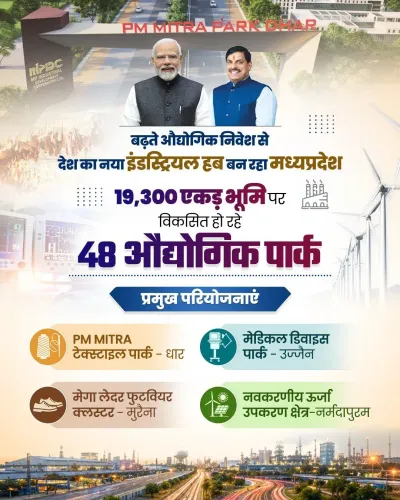
The state's Department of Tourism alignment embedded in the announcement hashtags suggests the hospitality permissions are not being treated as a stray concession but as part of a broader infrastructure vision — one that blends manufacturing and tourism-related investment into the same notified zones.
Incentives for small industries — the often-overlooked half of the story
The announcement explicitly names 'small and large industries' in the same breath. That phrasing matters. Large-ticket investment announcements draw headlines; it is the small and medium enterprise base that generates the bulk of employment in Madhya Pradesh's manufacturing districts. Extending incentives across the size spectrum signals that the state is not just chasing marquee anchor investments — it is trying to densify its entire industrial ecosystem.
Specific approval timelines, project counts, and investment commitments linked to these permissions are yet to be detailed publicly. The rollout of actual housing and hotel projects in designated zones will be the real test of how quickly policy translates into concrete infrastructure on the ground.
Madhya Pradesh has built its industrial pitch on policy predictability and infrastructure readiness — now it is adding livability to that list. The question is how fast shovels follow the announcement.
Point of View
Who has anchored his governance identity on investment facilitation since taking office in December 2023, this is an attempt to convert industrial summits and policy announcements into sticky, long-term manufacturing presence. The explicit inclusion of small industries alongside large ones is a politically astute hedge — it keeps the small-enterprise lobby engaged while courting anchor investors. The harder task ahead is translating permission frameworks into shovel-ready projects before competing states sharpen their own offers.
NationPress
19 Nov 2026
Frequently Asked Questions
What did CM Mohan Yadav announce about Madhya Pradesh industrial zones?
CM Dr. Mohan Yadav announced that Madhya Pradesh will now permit the construction of worker housing and star-category hotels within designated industrial areas, alongside incentives for industries of all sizes.
Why is worker housing being allowed inside industrial zones in Madhya Pradesh?
Allowing worker housing inside industrial zones is designed to improve workforce retention, reduce commute-related absenteeism, and make Madhya Pradesh more competitive when manufacturers choose investment locations.
What types of industries will benefit from the new Madhya Pradesh industrial incentives?
The policy explicitly covers both small and large industries, ensuring that the incentive framework is not limited to large-ticket investors but extends across the full spectrum of manufacturing enterprises.
How does star hotel permission in industrial areas help Madhya Pradesh attract investment?
Star hotels within industrial zones reduce logistical friction for business visitors, executives, and investment delegations, making it easier to operate or scout facilities and seeding local services economy growth.
When did Madhya Pradesh start its industrial policy reforms?
Madhya Pradesh has issued successive industrial policies since 2014 that offer incentives and single-window clearances to attract manufacturing investment, with the latest permissions building on that multi-year reform lineage.