CM Mohan Yadav Positions MP as India's Industrial Hub
Synopsis
Chief Minister Dr. Mohan Yadav declared on 30 May 2026 that Madhya Pradesh is becoming India's industrial hub, linking state economic ambition to the national Viksit Bharat vision under the #ViksitMadhyaPradesh campaign.
Key Takeaways
Mohan Yadav posted on 30 May 2026 branding Madhya Pradesh as the country's emerging industrial hub.
The post uses the #ViksitMadhyaPradesh hashtag, connecting state growth to PM Modi's Viksit Bharat 2047 vision.
Madhya Pradesh has been under continuous BJP rule since 2003 , with industrial promotion policies built over successive frameworks.
The state's central geography — bordering five major states — is a key logistics advantage cited for its industrial pitch.
The campaign targets domestic and foreign investors, competing with states like Uttar Pradesh and Rajasthan for manufacturing investment.
Upcoming investor summits and budget announcements will be watched for concrete policy follow-through on the 'industrial hub' claim.
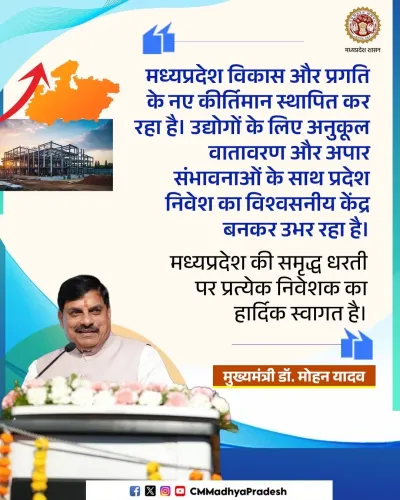
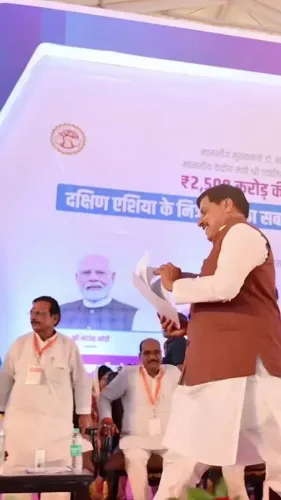
Madhya Pradesh Chief Minister Dr. Mohan Yadav on Saturday, 30 May 2026 declared that Madhya Pradesh is emerging as the country's industrial hub, sharing the message on X under the hashtag #ViksitMadhyaPradesh as part of the state's broader economic transformation drive.
Context
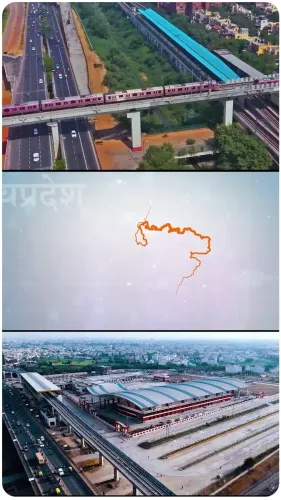
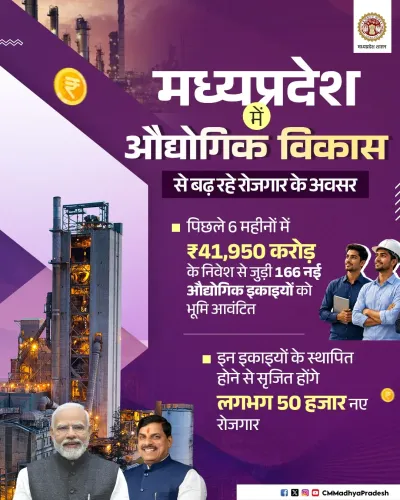
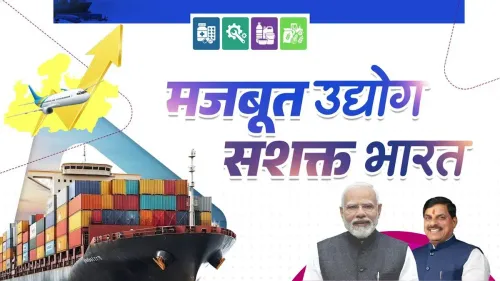
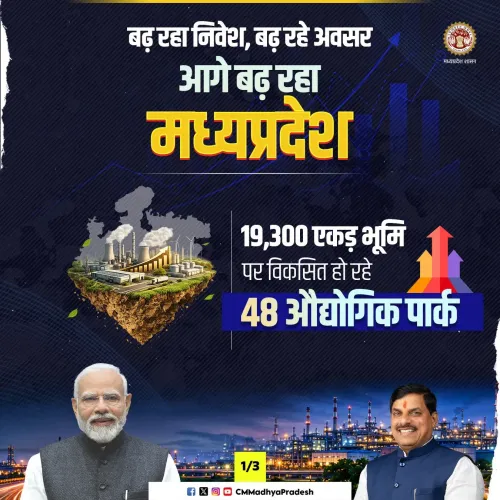
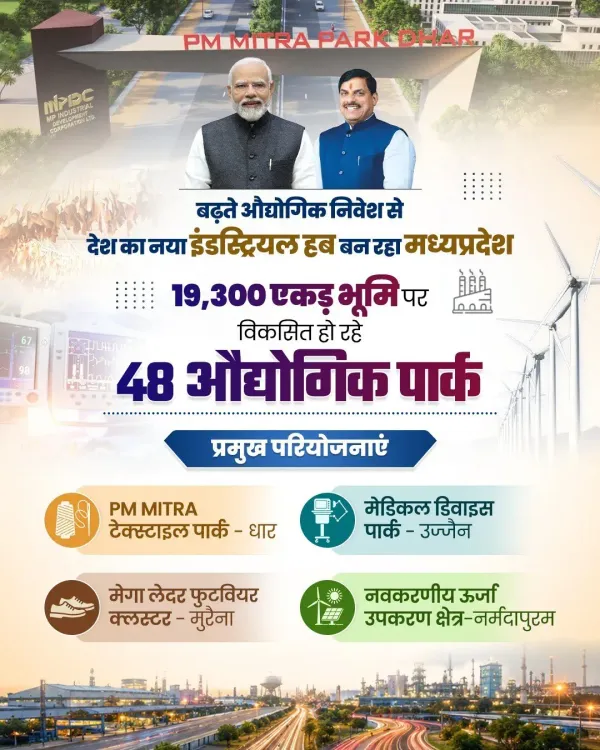
The Chief Minister's post — 'Desh ka Industrial Hub ban raha Madhya Pradesh' ('Madhya Pradesh is becoming the industrial hub of the country') — signals a deliberate effort to brand the state as a premier manufacturing and investment destination. The message is accompanied by an image and the campaign hashtag that ties state progress to the national Viksit Bharat vision of a developed India by 2047.
Dr. Yadav has been Chief Minister since December 2023, and industrial positioning has been a central plank of his administration's economic agenda. The post reflects a sustained communication strategy aimed at investors, industry bodies, and a domestic audience tracking the state's growth story.
Policy Backdrop
Madhya Pradesh has been under continuous BJP rule since 2003, during which successive governments built out industrial promotion policy frameworks — including land banks, single-window clearances, and sector-specific incentives — to attract manufacturing investment away from traditional hubs in Gujarat and Maharashtra.
The state's central geography gives it a logistics advantage: it borders five major states and sits astride key national highway and rail corridors. This connectivity has been cited by the state government as a structural competitive edge for warehousing, auto-ancillaries, food processing, and textiles. The push also aligns with the Centre's Atmanirbhar Bharat programme, which encourages domestic manufacturing and supply-chain localisation across India's hinterland states.
Madhya Pradesh's industrial promotion policies have evolved through multiple iterations since the 2010s, each successive framework expanding the scope of incentives and the range of targeted sectors. The current administration has sought to accelerate this trajectory by linking state-level industrial ambition directly to PM Narendra Modi's national development narrative.
Stakeholders and Impact
The primary audience for this positioning is domestic and foreign investors evaluating greenfield and brownfield manufacturing locations in central India. A successful 'industrial hub' narrative can influence decisions on plant locations, logistics infrastructure investment, and supply-chain anchoring.
For the local workforce, industrial growth translates into formal employment opportunities — a priority in a state where a large share of the labour force remains in agriculture. Sector growth in food processing, pharmaceuticals, and light engineering, areas where Madhya Pradesh has historically sought investment, could generate significant downstream employment.
Competing states, particularly Uttar Pradesh, Rajasthan, and Chhattisgarh, are simultaneously pitching similar narratives, making investor-perception battles increasingly important in India's inter-state industrial competition.
What's Next
Analysts and investors will watch for concrete follow-through: upcoming state budget presentations, investor summits, or policy notifications that detail sector-specific incentives, land-parcel availability, and infrastructure timelines. The #ViksitMadhyaPradesh campaign is likely to intensify ahead of any such events, using social media to build momentum and signal political commitment at the highest level.
Whether Madhya Pradesh can convert its geographic and policy advantages into measurable investment inflows will be the real test of the 'industrial hub' claim — and a key performance indicator for Dr. Yadav's government as it looks toward the next electoral cycle.
Point of View
The Chief Minister simultaneously claims credit for ground-level progress and aligns himself with PM Modi's 2047 development narrative — a dual political dividend. The post is light on specifics, which is typical of social-media-led industrial campaigns; the credibility test will come when investment data, job numbers, or policy instruments are put on the table. In a crowded inter-state competition for capital, perception-building on platforms like X has become as important as the policy itself.
NationPress
20 Sept 2026
Frequently Asked Questions
Is Madhya Pradesh really becoming an industrial hub?
Chief Minister Dr. Mohan Yadav has claimed MP is emerging as India's industrial hub, citing its central location, improving connectivity, and successive industrial promotion policies. Independent verification of specific investment figures as of May 2026 is pending official data releases.
What is #ViksitMadhyaPradesh?
#ViksitMadhyaPradesh is a state government campaign that links Madhya Pradesh's development goals to PM Modi's national Viksit Bharat 2047 vision of a fully developed India, used by CM Yadav to highlight economic and industrial progress.
What industries are targeted in Madhya Pradesh's industrial push?
Madhya Pradesh has historically targeted food processing, pharmaceuticals, textiles, auto-ancillaries, and light engineering sectors, leveraging its geographic centrality and land bank availability under its industrial promotion policy frameworks.
Who is Dr. Mohan Yadav?
Dr. Mohan Yadav is the Chief Minister of Madhya Pradesh and a BJP leader who assumed office in December 2023. He has made industrial and economic transformation a central focus of his administration.
How does Madhya Pradesh compare to Gujarat and Maharashtra as an industrial destination?
While Gujarat and Maharashtra remain India's dominant manufacturing hubs, Madhya Pradesh is positioning itself as an emerging alternative through competitive incentives, central-India logistics advantages, and alignment with the Atmanirbhar Bharat programme.