What Was the Impact of the Jharkhand Bandh Following the Murder of Tribal Leader?
Synopsis
The recent Jharkhand bandh protesting the murder of tribal leader Padha Raja Soma Munda has caused significant disruptions across the state. With major highways blocked and public life affected, the protests highlight ongoing tensions within the region. Demands for justice have been voiced, but officials assure the public that investigations are active. Will this unrest lead to meaningful change?
Key Takeaways
Jharkhand bandh led to significant disruptions.
Major highways were blocked, affecting transportation.
Protesters voiced demands for justice and compensation.
Authorities engaged with protesters to resolve the situation.
The murder of tribal leader Soma Munda highlights ongoing tensions.
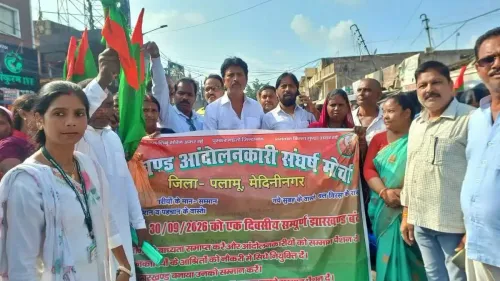
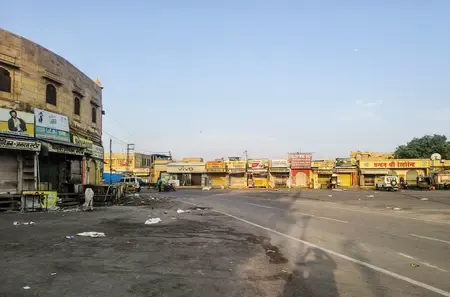
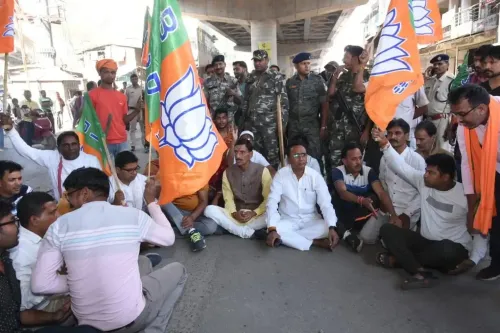
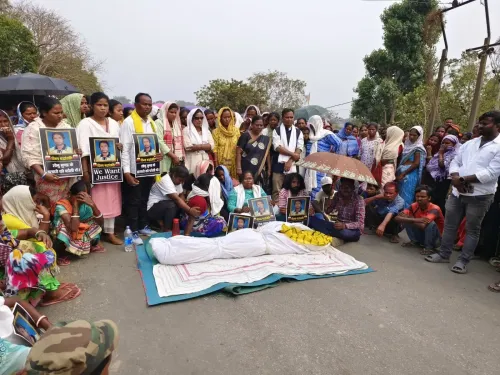
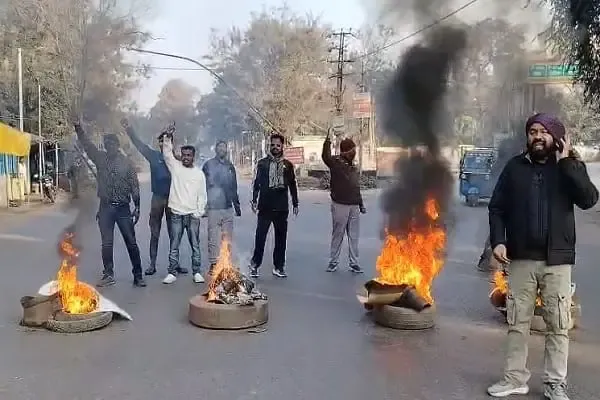
Ranchi, Jan 17 (NationPress) The Jharkhand bandh organized by various tribal groups on Saturday in response to the murder of tribal leader Padha Raja Soma Munda experienced a varied reaction throughout the state, with daily activities disrupted in several districts due to road and highway blockages.
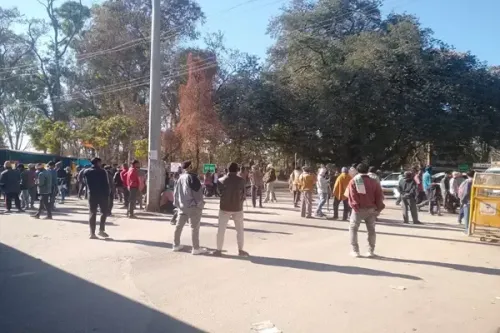
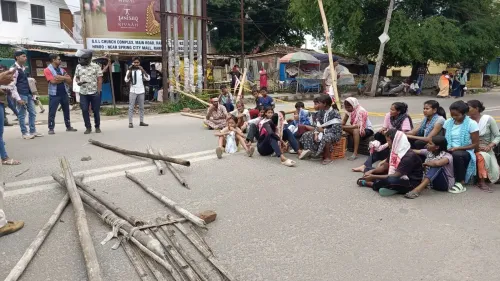
Starting early in the morning, demonstrators took to the streets in Khunti, Chaibasa, Ranchi, and surrounding areas, significantly hindering vehicular traffic. Numerous crucial routes were obstructed, leading to substantial inconvenience for commuters.
The most severe impact was felt on the Jamshedpur–Ranchi National Highway, where traffic was completely halted near the Bundu toll plaza.
By around 11 a.m., protestors arrived at the toll plaza and commenced their demonstrations, resulting in a massive traffic jam on both sides of the highway. Thousands of vehicles were left stranded, and the blockade persisted for nearly five hours. During this time, only ambulances and military vehicles were permitted to pass.
Travelers caught in the gridlock endured considerable difficulties, especially due to a lack of food and drinking water, as most shops in the Bundu Nagar Panchayat region remained closed for the bandh. Children, the elderly, and sick individuals were particularly affected. Traffic flow resumed only around 3:20 p.m. after the demonstrators dispersed.
As tensions escalated, district officials intervened. Bundu Sub-Divisional Magistrate Christopher Kumar Besra, Deputy Superintendent of Police Om Prakash, Station House Officer Ramkumar Verma, and Circle Officer Hans Hembrum arrived at the scene with police personnel and engaged in ongoing dialogues with the protestors. After nearly five hours of negotiation, the blockade was finally lifted.
In Khunti's district headquarters, demonstrators took to the streets early in the morning, enforcing a complete shutdown of local markets. Similar protests were reported in Ranchi, where traffic was obstructed at Karam Toli Chowk, Ratu Road, and other areas.
A memorandum submitted to the authorities included demands for a government job for a family member of Soma Munda, a fast-tracked trial and punishment of the accused, and compensation of Rs 5 crore.
The Sub-Divisional Magistrate assured that these demands would be forwarded to the state government.
Tribal leader Soma Munda was shot and killed near the Jamuwadag area of Khunti district on January 7. Police have arrested seven suspects in the case, citing a land dispute as the motive for the murder.
A bandh was also held in Khunti on January 8 to protest the incident, which had a significant impact.
Nevertheless, tribal groups have expressed concerns regarding the lack of arrests of the primary shooter and the alleged mastermind behind the crime. They have warned that the agitation will escalate if substantial action is not taken soon.
Meanwhile, authorities have urged the public to uphold law and order, assuring that the investigation is ongoing and that all responsible parties will be brought to justice.
Point of View
The ongoing protests and the demand for justice following the murder of a tribal leader reflect deep-rooted issues within local communities. While the anguish is palpable, it's crucial to approach the situation with a lens of understanding and dialogue. The administration's commitment to investigate thoroughly is a step towards restoring faith in governance, but it remains essential for all parties to engage constructively to ensure lasting peace.
NationPress
2 Oct 2026
Frequently Asked Questions
What was the reason for the Jharkhand bandh?
The Jharkhand bandh was organized to protest the murder of tribal leader Padha Raja Soma Munda.
Which areas were most affected by the bandh?
Key areas affected include Khunti, Chaibasa, and Ranchi, with major highways experiencing significant blockages.
What were the protesters demanding?
Protesters demanded a government job for a family member of Soma Munda, fast-tracked trials for the accused, and financial compensation.
How did the authorities respond to the protests?
District officials, including the Sub-Divisional Magistrate and police, engaged in discussions with protesters to resolve the situation.
What measures were taken to maintain order during the protests?
Authorities urged the public to maintain law and order and assured that investigations are ongoing to bring those responsible to justice.