What Does Jonbeel Mela Represent for Assam’s Cultural Harmony?

Synopsis
The Jonbeel Mela is not just a fair; it’s a vibrant celebration of Assam’s rich cultural heritage, promoting unity among diverse communities. Chief Minister Himanta Biswa Sarma emphasizes its significance in preserving traditions and fostering social cohesion, making it an essential event for the state.
Key Takeaways
Jonbeel Mela is a symbol of cultural harmony in Assam.
It features a traditional barter system promoting sustainability.
The event highlights the historical significance dating back to the Ahom era.
It fosters social cohesion between hill and plain communities.
Annual support from the state government emphasizes cultural preservation.
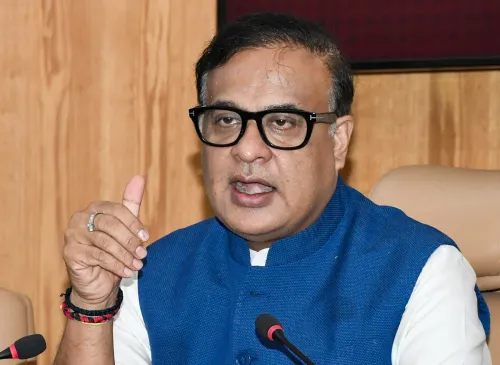
Guwahati, Jan 22 (NationPress) The Chief Minister of Assam, Himanta Biswa Sarma, conveyed his heartfelt wishes for the successful organization of the annual Jonbeel Mela on Thursday. He characterized it as a remarkable intersection of history, tradition, and communal harmony, which embodies the state's rich and diverse cultural identity.
In a message shared on the social media platform X, the Chief Minister emphasized the unique importance of this centuries-old fair, which unites individuals from the plains of Morigaon and the neighboring hill regions of Karbi Anglong and Meghalaya. This event is a celebration deeply rooted in shared heritage and mutual respect.
He stressed that Jonbeel Mela transcends being just a cultural event; it stands as a living emblem of unity and collaboration among various communities.
Every year, the fair takes place near Jagiroad and is famous for its traditional barter system, where agricultural products and local goods are traded without the exchange of money. This time-honored practice continues to attract significant attention, highlighting a sustainable economic tradition that has withstood the challenges of time and modernization.
The mela also holds profound historical significance, tracing its roots back to the Ahom era and continues to be conducted under the esteemed patronage of local tribal leaders. The ceremonial gathering of kings and community heads during this event showcases Assam's legacy of inclusive governance and community-oriented traditions.
Addressing its wider significance, the Chief Minister remarked that Jonbeel Mela strengthens the ties between hill and plain communities, thereby enhancing social cohesion and cultural exchange.
He noted that such traditions are crucial in preserving indigenous customs while fostering harmony in a culturally diverse area like Assam. Annually, the mela attracts thousands, including artisans, farmers, traders, and cultural enthusiasts, transforming it into a lively platform for the display of folk art, music, and traditional cuisines.
The state government has pledged ongoing support for the mela, underscoring its commitment to safeguarding Assam's rich cultural heritage while boosting tourism and local economies.
Point of View
It's clear that Jonbeel Mela exemplifies a profound narrative of cultural harmony in Assam. This event is a testament to the power of traditions in fostering unity among diverse communities, reflecting a broader significance that resonates beyond regional boundaries. Recognizing and promoting such events is crucial for preserving our collective heritage.
NationPress
6 Oct 2026
Frequently Asked Questions
What is Jonbeel Mela?
Jonbeel Mela is an annual fair in Assam that celebrates cultural heritage through a unique barter system, uniting various communities.
Where is Jonbeel Mela held?
The mela takes place near Jagiroad in Assam, attracting visitors from surrounding regions.
What is the historical significance of Jonbeel Mela?
The mela dates back to the Ahom era and represents a tradition of community gathering and inclusive governance.
Why is Jonbeel Mela important for Assam?
It fosters social cohesion, promotes cultural exchange, and preserves indigenous customs in a diverse region.
How does the state government support Jonbeel Mela?
The state government actively supports the mela to promote tourism and safeguard Assam's cultural heritage.