Delimitation to raise Lok Sabha seats to 816, says Pralhad Joshi
Synopsis
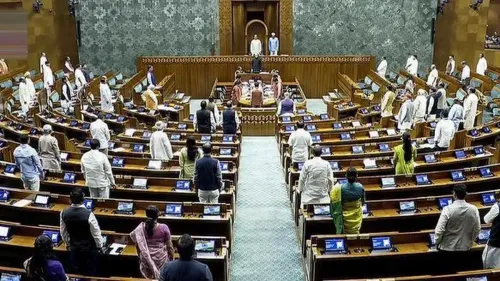
The Lok Sabha could grow by nearly 50% — from 543 to 816 seats — under the Cabinet-approved delimitation bill. Pralhad Joshi insists no state will lose out, projecting Karnataka at 40 seats and UP at 120, and dared the Congress to explain its opposition when the same formula was used before.
Key Takeaways
Union Minister Pralhad Joshi said on 28 November 2026 that delimitation will raise Lok Sabha strength from 543 to 816 seats .
Seats in all states could rise by 50 per cent ; Karnataka from 28 to 40 and Uttar Pradesh from 80 to 120 , per estimated calculations.
The Union Cabinet approved the Delimitation Amendment Bill and the Constitution (132nd Amendment) Bill .
The 132nd Amendment proposes 33 per cent reservation for women in the Lok Sabha and State Legislative Assemblies.
Joshi accused the Congress of double standards, insisting no state will face injustice.
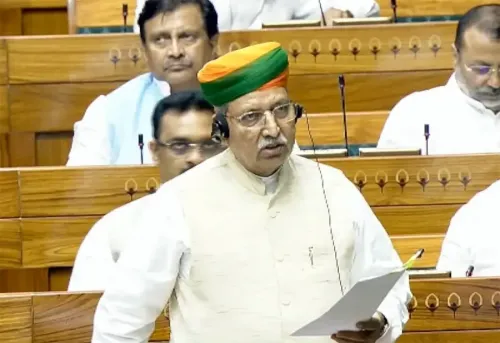
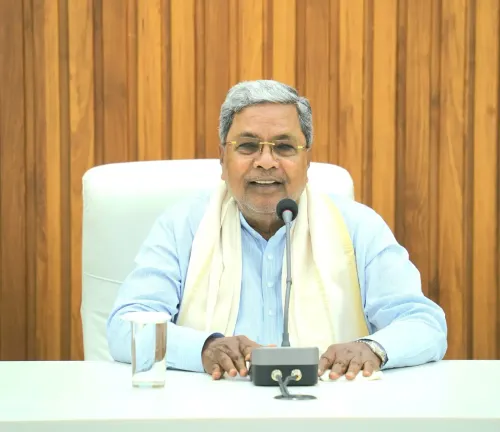
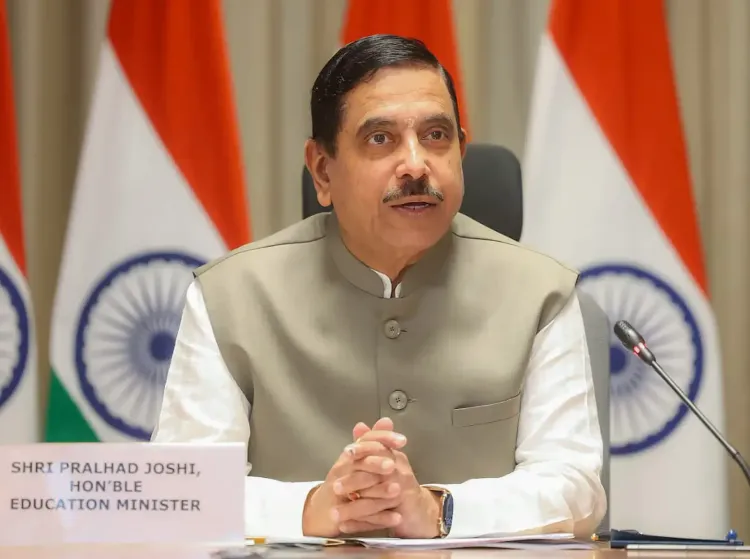
Union Minister Pralhad Joshi on Saturday, 28 November 2026, said the proposed delimitation exercise will expand the Lok Sabha from 543 to 816 seats without causing injustice to any region. He also described the planned 33 per cent reservation for women as a historic step towards strengthening Indian democracy. Joshi, who holds the Education, Consumer Affairs, Food and Public Distribution portfolios, made the remarks while speaking to the media, as Karnataka's seat share emerged as a flashpoint with the Opposition.
Key Developments
The Union Minister called the Cabinet's approval of the Delimitation Amendment Bill another historic decision. He credited Prime Minister Narendra Modi with taking a bold step to raise the Lok Sabha's existing strength to 816 seats.
Joshi said the number of Lok Sabha constituencies in all states, including Karnataka and Uttar Pradesh, could rise by 50 per cent based on the formula adopted earlier. According to the estimated calculations, Karnataka's representation could go from 28 to 40 seats, while Uttar Pradesh could move from 80 to 120 seats.
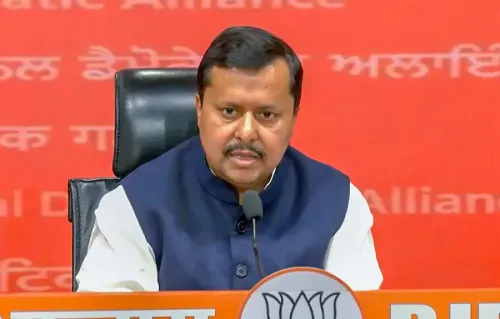
Separately, Karnataka BJP President and MLA B.Y. Vijayendra welcomed the Union Cabinet's approval of the Constitution (132nd Amendment) Bill, which provides for 33 per cent reservation for women in the Lok Sabha and State Legislative Assemblies.
What the Minister Said
Joshi said the National Democratic Alliance (NDA) government was committed to building a developed India by prioritising 'Nari Shakti' and ensuring greater participation of women in democratic and administrative systems. He added that the women's quota was not merely about empowerment but reflected the Centre's commitment to strengthening women's leadership in decision-making.
Taking to the social media platform X, Joshi wrote: “India's Parliamentary framework is set for a significant expansion, reflecting the aspirations of a growing nation... the Union Cabinet's approval of the Delimitation Amendment Bill paves the way for increasing the Lok Sabha's strength from 543 to 816 seats.” He said this would provide greater space for diverse regional voices in national decision-making.
Sharp Attack on the Congress
Questioning the Indian National Congress's opposition to the expansion, Joshi asked: “What problem do the Congress leaders have with this? Are all the existing 28 seats in Karnataka held by the Bharatiya Janata Party (BJP)?”
He argued that the expansion follows the same formula used to fix constituency numbers earlier. “If the allocation carried out during the tenure of previous governments was considered correct, the present delimitation exercise should also be accepted,” he said.
“Everything done during their (Congress government's) tenure is considered right. But when we attempt to do something, is it seen as wrong? This attitude of the Opposition is unjust. No state will face injustice in the delimitation exercise,” Joshi added.
BJP's Nari Shakti Pitch
On his official X account, Vijayendra called the move “A significant stride towards women-led development in Bharat!” He said the 132nd Amendment Bill reflects “PM Narendra Modi Ji's commitment to ensuring that women have their rightful place in the highest institutions of our democracy.”
“A stronger Nari Shakti will lay the foundation for a more inclusive Viksit Bharat,” the state BJP President said.
What Happens Next
Notably, the delimitation debate has long been sensitive for states concerned about how a population-linked formula could shift political weight. With both bills cleared by the Union Cabinet, attention now turns to their passage in Parliament and the detailed seat allocation that will determine how each state's voice changes in the expanded House.
Point of View
Widening the absolute gap in parliamentary weight even if proportions hold. The arithmetic itself invites scrutiny — a flat 50 per cent rise on 28 seats would be 42, not the 40 cited in the estimates — which is exactly why the Centre must publish the full allocation formula rather than offer projections. Pairing delimitation with the women's quota gives the government a powerful moral framing, but the two reforms deserve separate, transparent debate. A House of 816 will only strengthen democracy if every state is convinced the rules were fair before the lines were drawn.
NationPress
28 Nov 2026
Frequently Asked Questions
How many seats will the Lok Sabha have after delimitation?
The Lok Sabha's strength is proposed to rise from 543 to 816 seats under the Delimitation Amendment Bill approved by the Union Cabinet, according to Union Minister Pralhad Joshi.
How many Lok Sabha seats will Karnataka get after delimitation?
Karnataka's representation could rise from 28 to 40 seats, according to estimated calculations cited by Pralhad Joshi. Uttar Pradesh could go from 80 to 120 seats.
What is the Constitution (132nd Amendment) Bill?
It is the bill approved by the Union Cabinet that proposes 33 per cent reservation for women in the Lok Sabha and State Legislative Assemblies, as highlighted by Karnataka BJP President B.Y. Vijayendra.
Why is the Congress opposing delimitation?
The Congress has opposed the proposed expansion, and Joshi questioned its stance, arguing the exercise uses the same formula applied under previous governments. He said no state will face injustice in the delimitation exercise.
What happens next for the delimitation and women's reservation bills?
Both bills have been approved by the Union Cabinet and now await passage in Parliament. Detailed state-wise seat allocation will determine the final shape of the expanded Lok Sabha.