Women's reservation: PM Modi vows to remove all obstacles
Synopsis
Days before a special Parliament session, PM Modi has thrown down the gauntlet on women's reservation, warning opposing parties they cannot stop it. The bigger story is the package tied to it: delimitation on the 2011 census and a Lok Sabha that could grow from 543 to around 815 seats, reportedly frozen till 2051.
Key Takeaways
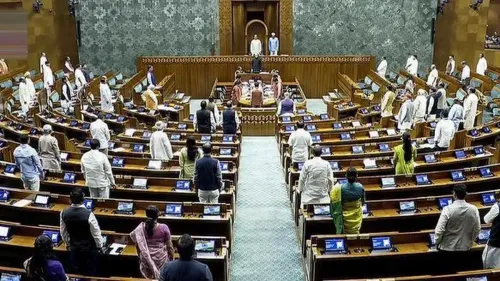
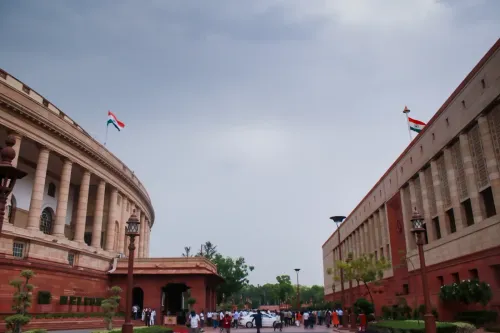
PM Narendra Modi said on 28 November 2026 that his government's resolve on women's reservation “remains unshaken.” A special session of Parliament runs from 30 November to 3 December , where the Constitution (131st Amendment) Bill, 2026 is expected to be reintroduced.
The bill seeks delimitation on the 2011 census , raises the Lok Sabha seat cap from 550 to 850 , and operationalises one-third reservation for women.
Lok Sabha strength could rise from 543 to around 815 seats, reportedly frozen until 2051 .
Reports suggest states' proportional seat shares will be retained to address concerns of southern and Opposition-ruled states.
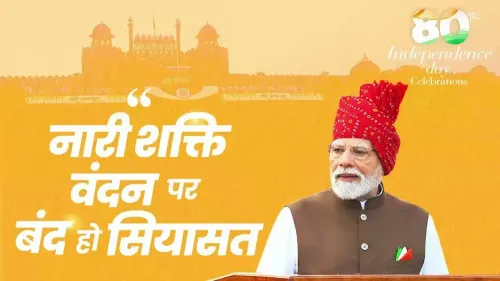
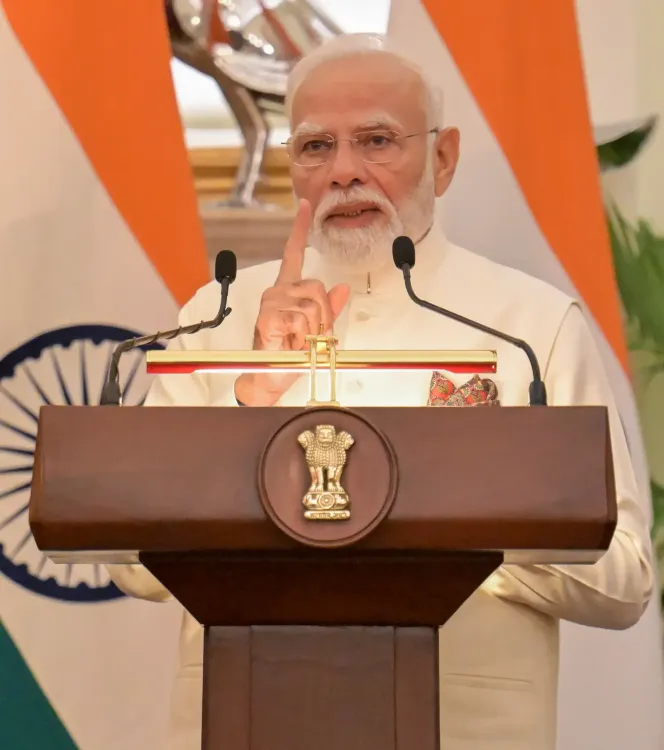
Prime Minister Narendra Modi on Saturday, 28 November 2026, declared that his government's resolve to grant women reservation in the Lok Sabha and state Assemblies “remains unshaken.” In a video message posted on X, he also warned parties opposing the measure that they cannot stop it. The remarks come just days before a special session of Parliament in New Delhi, scheduled from 30 November to 3 December.
Key Developments
During the session, the government is expected to reintroduce the Constitution (131st Amendment) Bill, 2026. According to the source details, the package includes the Delimitation Bill, 2026 and the Union Territories Laws (Amendment) Bill, 2026.
The legislation seeks to do three things:
- Enable delimitation using the 2011 census.
- Raise the maximum Lok Sabha seat limit from 550 to 850.
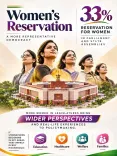
- Operationalise one-third reservation for women in Parliament and state Assemblies.
Notably, the push follows a decision by the Union Cabinet a day earlier. On 27 November, the Cabinet cleared amendments to the Constitutional Amendment Bill linked to the proposed delimitation and women's reservation legislation.
What PM Modi Said
Modi framed the issue as a decades-long struggle. “The struggle to provide equal participation to women have been ongoing for decades. For years I am also among the ones attempting to do so,” he said.
He pointed to public demand for the measure. “So many women have been raising this topic before me. Many sisters have written letters to me regarding this. I know we have the blessings of 100 per cent of the nation's women power,” the Prime Minister added.
Addressing women directly, he said: “With a high morale, indomitable spirit and steadfast resolve, we will remove all obstacles in the way of women's reservation.”
Message to the Opposition
Modi also issued a pointed warning to parties resisting the bill. “Those parties who are opposing women's reservation will never be able to stop the increase in women's participation in the Lok Sabha and state Assemblies. It is only a matter of time,” he said.
He closed his X post by restating: “Our resolve to empower women remains unshaken.”
Impact on Lok Sabha Strength and States
The Cabinet's move paves the way for a sharp rise in the Lok Sabha's legislative strength. The House would grow from its existing 543 seats to around 815 seats. According to multiple reports, this enlarged strength will reportedly remain frozen for the next 25 years, until 2051.
The detailed contours of the delimitation bill have not yet been made public. However, reports suggest that each state's proportional share of seats will be retained. This would reportedly be done to address concerns of Opposition-ruled and southern states.
Those states have repeatedly said they would be treated ‘unfairly’ by an expansion of Lok Sabha seats. Because the bill uses the 2011 census as its base, population-linked redistribution has been the central flashpoint. Southern states, which have slowed their population growth, fear losing political weight relative to more populous northern states.
What Happens Next
The four-day special session will test whether the government can build consensus on a constitutional amendment. Any such amendment requires a special majority in both Houses. All eyes will now be on the final text of the delimitation bill when it is tabled on or after 30 November.
Point of View
But the real fight is over delimitation, which is bundled into the same package. By tying the two together, the government makes opposing the seat redistribution look like opposing women's representation, a sharp political bind for southern parties. Promising to retain proportional state shares may ease federal anxieties. But until the bill's text is public, that promise remains a report, not a guarantee. A Lok Sabha of roughly 815 seats, frozen till 2051, would redraw Indian democracy for a generation. It deserves more than a four-day session's worth of scrutiny.
NationPress
28 Nov 2026
Frequently Asked Questions
What did PM Modi say about women's reservation?
PM Modi said on 28 November 2026 that his government's resolve to empower women through reservation in the Lok Sabha and state Assemblies “remains unshaken.” He also warned that parties opposing the measure would never be able to stop it.
When is the special session of Parliament?
The special session of Parliament is scheduled from 30 November to 3 December 2026. The government is expected to reintroduce the Constitution (131st Amendment) Bill, 2026 during the session.
What does the Constitution (131st Amendment) Bill, 2026 propose?
It seeks to enable delimitation using the 2011 census and raise the maximum Lok Sabha seat limit from 550 to 850. It would also operationalise one-third reservation for women in Parliament and state Assemblies.
How many Lok Sabha seats will there be after delimitation?
The Lok Sabha's strength is expected to rise from 543 to around 815 seats. According to multiple reports, this enlarged strength will remain frozen until 2051.
Why are southern states concerned about delimitation?
Southern and Opposition-ruled states have repeatedly flagged that they could be treated ‘unfairly’ by an expansion of Lok Sabha seats. Reports suggest each state's proportional share will be retained to address these concerns, though the bill's details are yet to be revealed.