Joshi hails Kashi Tamil Sangamam as civilisational bridge
Synopsis
Union Consumer Affairs Minister Pralhad Joshi says Kashi Tamil Sangamam, envisioned by PM Narendra Modi, is reviving centuries-old Kashi-Tamil Nadu bonds. He argues Viksit Bharat 2047 must carry civilisational consciousness, knowledge traditions and cultural values alongside economic progress.
Key Takeaways
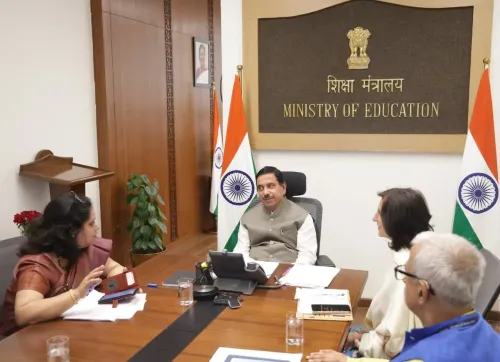
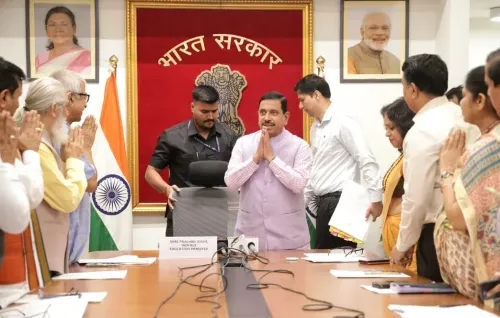
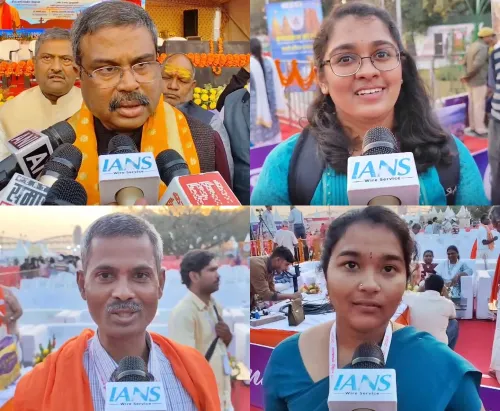
Union Consumer Affairs Minister Pralhad Joshi on 28 November 2026 called centuries-old Kashi-Tamil Nadu ties a testament to India’s civilisational heritage and unity.
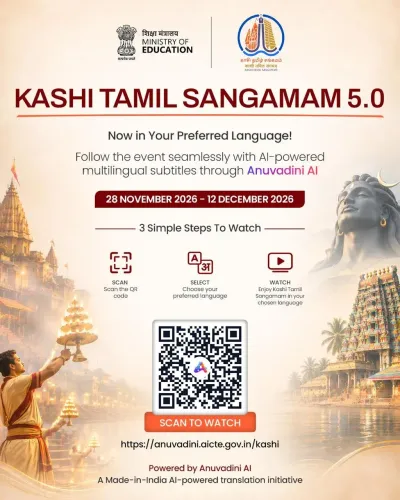
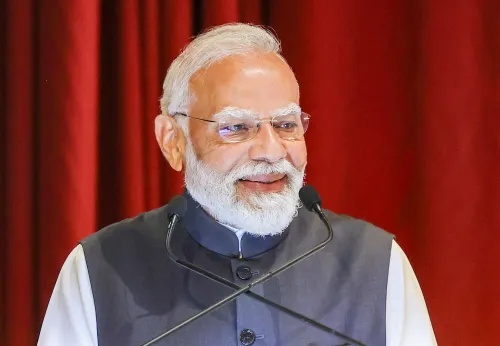
He said Kashi Tamil Sangamam, envisioned by Prime Minister Narendra Modi, is reviving those bonds and bridging ancient wisdom with modern aspirations.
Kashi Tamil Sangamam was first organised in Varanasi in November 2022 during Azadi Ka Amrit Mahotsav.
Joshi tied the programme to Viksit Bharat 2047, saying the journey is not only economic and technological.
The pairing sits in the broader Ek Bharat Shreshtha Bharat framework launched in 2015 for inter-state cultural exchange.
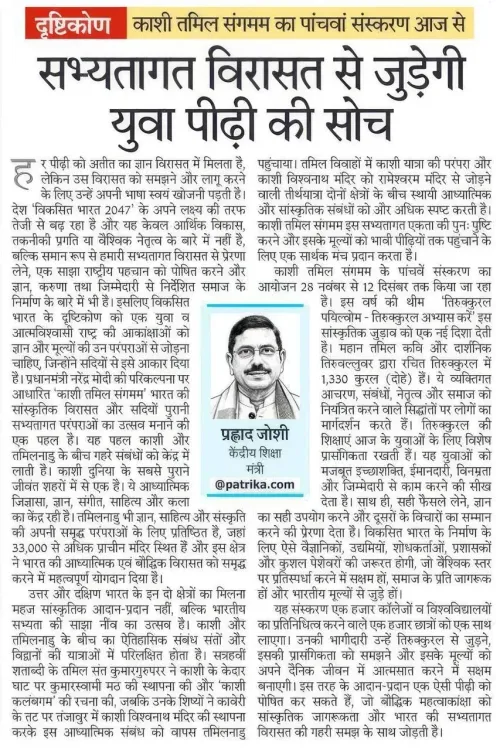
Centuries of pilgrimage, scholarship and faith between Kashi and Tamil Nadu are, Union Consumer Affairs Minister Pralhad Joshi argued on 28 November 2026, not folklore but a working map of Indian unity. He said Kashi Tamil Sangamam, envisioned by Prime Minister Narendra Modi, is reviving those historic bonds and building a bridge between ancient wisdom and modern aspirations.
Joshi wrote that the cultural, spiritual and intellectual connections are ‘a testament to India’s rich civilisational heritage and unity.’ In Hindi he called those sadiyon purane (centuries-old) ties of culture, spirit and knowledge a symbol of that heritage and of national oneness. He pointed readers to a longer article setting out the same argument in fuller form.
Kashi Tamil Sangamam’s Varanasi beginning
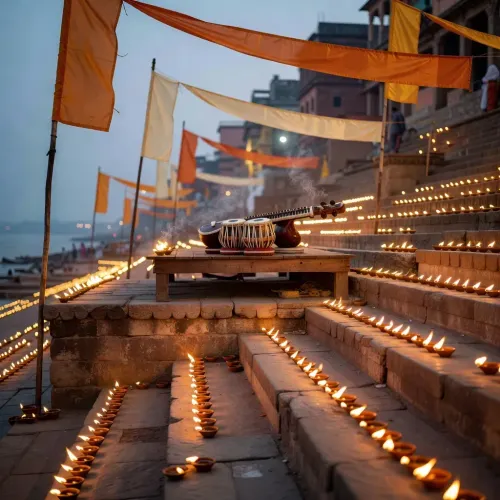
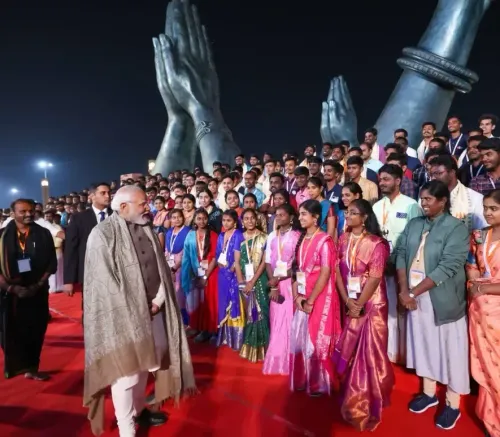
The programme was first organised in Varanasi in November 2022 as part of the Azadi Ka Amrit Mahotsav celebrations. Its brief was concrete: surface shared threads in spirituality, education and the arts between the city on the Ganga and Tamil Nadu’s scholarly traditions.
Tamil scholars and students, and Varanasi’s cultural institutions, sit at the centre of that exchange. The pairing also tracks a longer federal template. Ek Bharat Shreshtha Bharat, launched in 2015, was designed to foster cultural exchanges between states and regions. Kashi Tamil Sangamam is among the more visible expressions of that idea.
Viksit Bharat 2047 as a civilisational project
The minister’s sharper claim was about the destination, not only the festival. ‘The journey towards Viksit Bharat 2047 is not merely about economic and technological progress, but also about carrying forward our civilisational consciousness, knowledge traditions and cultural values,’ he wrote.
That is a consistent national emphasis: cultural and civilisational linkages across Indian regions as a complement to economic modernisation. Other state pairings have been used in the same way, with shared heritage in one hand and the 2047 development narrative in the other.
A north-south corridor still being written
What follows is practical. The next edition of Kashi Tamil Sangamam, and any parliamentary or state-level follow-up on cultural exchange, will show whether the rhetoric hardens into a standing corridor of scholars, students and institutions. Joshi’s intervention keeps the programme in public view as more than a seasonal gathering.
The north-south corridor he described will be judged not by a single article but by whether those travellers keep moving along it toward 2047.
Point of View
Treating civilisational memory as a development input rather than a side event. Kashi Tamil Sangamam, first organised in Varanasi in 2022 and nested in the Ek Bharat Shreshtha Bharat logic of 2015, is being recast as a living north-south knowledge corridor. The message speaks to Tamil Nadu’s cultural constituency as much as to a national audience the Centre wants to see unity as heritage, not only as administration. The test is whether later editions deepen institutional exchanges or remain periodic showcases.
NationPress
28 Nov 2026
Frequently Asked Questions
What is Kashi Tamil Sangamam?
Kashi Tamil Sangamam is a cultural programme launched to revive centuries-old connections in spirituality, education and the arts between Varanasi (Kashi) and Tamil Nadu. It was first organised in Varanasi in November 2022 during the Azadi Ka Amrit Mahotsav.
Who envisioned the Kashi Tamil Sangamam initiative?
Prime Minister Narendra Modi envisioned Kashi Tamil Sangamam to highlight historical links between Varanasi and Tamil Nadu. Union Consumer Affairs Minister Pralhad Joshi restated that origin while describing the programme as a bridge between ancient wisdom and modern aspirations.
What did Pralhad Joshi say about Viksit Bharat 2047?
Joshi said the journey towards Viksit Bharat 2047 is not merely about economic and technological progress, but also about carrying forward civilisational consciousness, knowledge traditions and cultural values. He linked that argument to the historic Kashi-Tamil Nadu relationship.
When was Kashi Tamil Sangamam first organised?
The programme was first organised in Varanasi in November 2022 as part of the Azadi Ka Amrit Mahotsav celebrations. It also sits alongside the broader Ek Bharat Shreshtha Bharat effort launched in 2015.
How are Kashi and Tamil Nadu historically linked?
Joshi described centuries-old cultural, spiritual and intellectual connections between Kashi and Tamil Nadu as a testament to India’s civilisational heritage and unity. The Sangamam is meant to revive those bonds for scholars, students and cultural institutions.