JSW Infrastructure Q1 FY27 profit falls 10% to ₹346.63 crore despite 18% revenue surge
Synopsis
JSW Infrastructure's Q1 FY27 results reveal a tale of two metrics: revenue surged 18% to ₹1,444.83 crore while net profit slid nearly 10% to ₹346.63 crore. The culprit isn't a business slowdown — it's the cost of ambition. Surplus funds redirected into a massive capacity expansion to 400 MTPA by FY30 are compressing near-term profitability, even as cargo volumes hit 31 million tonnes.
Key Takeaways
JSW Infrastructure reported Q1 FY27 net profit of ₹346.63 crore , down 9.89% from ₹384.68 crore in Q1 FY26.
Revenue from operations rose 18.15% year-on-year to ₹1,444.83 crore , driven by cargo volumes and logistics growth.
EBITDA grew 8.9% to ₹731 crore , but the EBITDA margin narrowed to 48.7% from 51.1% .
The company handled 31 million tonnes of cargo in Q1 FY27, up 6% year-on-year.
Profit decline was attributed to lower PBT of ₹462 crore and a higher effective tax rate, as surplus funds were deployed into capital expenditure.
JSW Infrastructure targets cargo capacity of 400 MTPA by FY30 , nearly doubling its current 186 MTPA .
JSW Infrastructure, India's second-largest private port operator, reported a 9.89% year-on-year decline in consolidated net profit to ₹346.63 crore for the first quarter of FY27 (April–June 2025), even as revenue from operations grew at a robust double-digit pace. The results, disclosed in the company's stock exchange filing on 21 July, reflect a squeeze at the bottom line driven by a higher effective tax rate and reduced other income — not a slowdown in core business activity.
Why Profit Fell Despite Revenue Growth
Net profit attributable to owners slipped from ₹384.68 crore in Q1 FY26 to ₹346.63 crore in Q1 FY27. According to the company, the primary drag was a lower profit before tax (PBT), which fell to ₹462 crore. The company attributed this to surplus funds being channelled into ongoing growth capital expenditure, which reduced other income. A higher effective tax rate during the quarter compounded the impact.
Revenue and Operating Performance
On the top line, JSW Infrastructure delivered a strong showing. Revenue from operations climbed 18.15% year-on-year to ₹1,444.83 crore in Q1 FY27, up from ₹1,223.85 crore in the year-ago quarter. The growth was powered by higher port cargo volumes, sustained momentum in the logistics segment, and a favourable product mix.
Operating performance held up as well. EBITDA rose 8.9% year-on-year to ₹731 crore from ₹671 crore, though the EBITDA margin narrowed to 48.7% from 51.1% in the same period last year, reflecting increased operating costs and a shift in business mix.
Cargo Volumes: Key Drivers and Headwinds
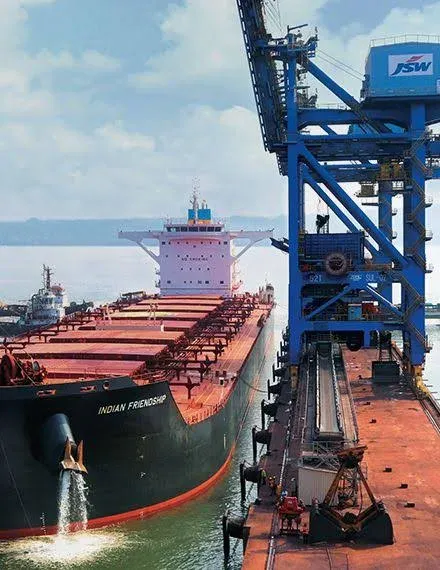
The company handled 31 million tonnes of cargo during the quarter, a 6% increase over the corresponding period last year. Jaigarh Port was a standout performer, with higher volumes from anchor customers and rising third-party cargo from newer segments boosting throughput. Dharamtar Port, South West Port, and Ennore Bulk Terminal also contributed robustly, supplemented by interim operations at the Tuticorin Terminal.
However, the overall cargo growth was partially offset by weaker volumes at the Fujairah Liquid Terminal, where a challenging operating environment in the Middle East weighed on throughput. This is a notable risk factor for the company's international portfolio as geopolitical pressures in the region persist.
Capacity Expansion Targets
Looking ahead, JSW Infrastructure has set an ambitious target to expand its cargo handling capacity to 400 million tonnes per annum (MTPA) by FY30 or earlier — nearly doubling its current installed capacity of 186 MTPA. The capital expenditure cycle already under way, which is currently compressing short-term profitability, is directly aimed at funding this expansion.
The company's trajectory will be closely watched by investors as it navigates the balance between near-term margin pressure and long-term capacity-led growth in India's fast-expanding port and logistics sector.
Point of View
Not a distress signal — and the market should read it that way. Redirecting surplus cash into capex reduces other income and inflates the effective tax burden, but it also seeds the capacity that will drive the next leg of earnings growth. The real question is execution: can the company ramp from 186 MTPA to 400 MTPA by FY30 without balance-sheet strain? The Fujairah Liquid Terminal's underperformance amid Middle East turbulence is a reminder that international diversification carries its own risks. Investors watching the margin compression should track capex-to-revenue ratios over the next two quarters for early signals of whether this expansion cycle is on track.
NationPress
21 Oct 2026
Frequently Asked Questions
Why did JSW Infrastructure's Q1 FY27 profit fall despite higher revenue?
JSW Infrastructure's net profit fell 9.89% to ₹346.63 crore in Q1 FY27 because surplus funds were deployed into growth capital expenditure, reducing other income and lowering profit before tax to ₹462 crore. A higher effective tax rate during the quarter further compressed the bottom line, even as revenue grew 18.15%.
What was JSW Infrastructure's revenue in Q1 FY27?
Revenue from operations rose 18.15% year-on-year to ₹1,444.83 crore in Q1 FY27, up from ₹1,223.85 crore in the same quarter of the previous financial year. The growth was driven by higher port cargo volumes, logistics momentum, and a favourable product mix.
How much cargo did JSW Infrastructure handle in Q1 FY27?
JSW Infrastructure handled 31 million tonnes of cargo in Q1 FY27, a 6% increase over the same period last year. Jaigarh Port was the key growth driver, supported by Dharamtar Port, South West Port, and Ennore Bulk Terminal.
What is JSW Infrastructure's capacity expansion target?
JSW Infrastructure aims to expand its cargo handling capacity to 400 million tonnes per annum (MTPA) by FY30 or earlier, nearly doubling its current capacity of 186 MTPA. The ongoing capital expenditure cycle is directly funding this expansion.
Which terminal dragged JSW Infrastructure's cargo growth in Q1 FY27?
The Fujairah Liquid Terminal weighed on overall cargo growth due to a challenging operating environment in the Middle East. This partially offset strong performances at Jaigarh Port, Dharamtar Port, South West Port, and Ennore Bulk Terminal.