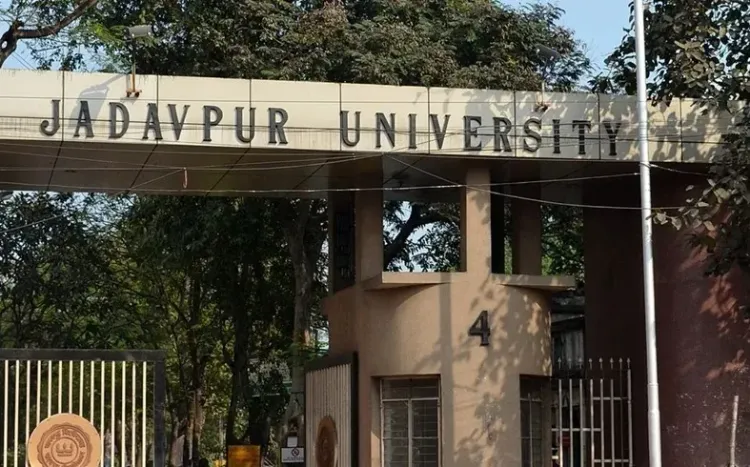
Jadavpur University has no elected students' union since 2021, RTI reveals
Synopsis
A Right to Information reply from Jadavpur University has confirmed what students have long alleged: no elected union body has functioned in any of its three faculty wings since February 2021. With campus clashes between SFI and ABVP escalating and a new BJP-led state government in place, the four-year democratic vacuum in student representation is now a live political and institutional fault line.
Key Takeaways
Jadavpur University confirmed via an official RTI reply that no elected students' union is functional in any of its three wings — FETSU , SFSU , or AFSU .
The last students' elections at JU were held in February 2020 ; the elected office-bearers' tenures expired in February 2021 .
Despite repeated demands and assurances during the previous TMC government's tenure, elections were never conducted.
Students have renewed demands for elections following the BJP -led government's assumption of power in West Bengal .
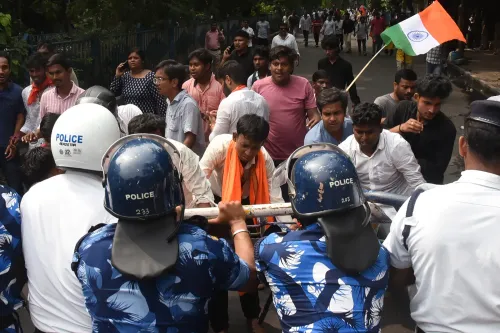
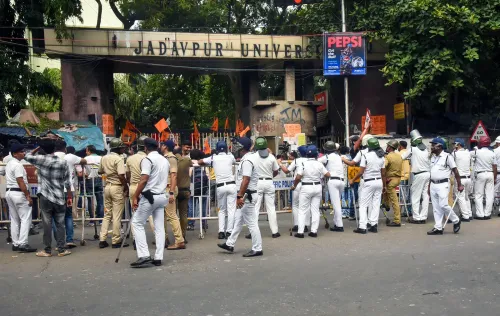
Recent clashes between SFI and ABVP activists on campus left several student activists from both sides injured.
Chief Minister Suvendu Adhikari recently remarked that past governments had fostered an 'anti-national mindset' within JU.
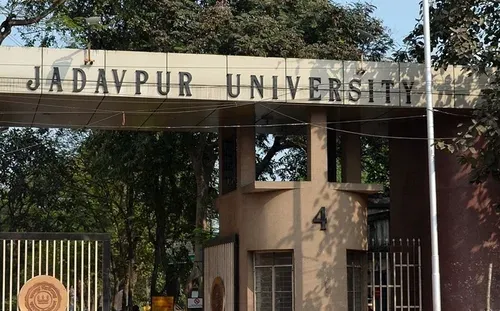
Jadavpur University (JU) has confirmed through an official Right to Information (RTI) reply that no elected students' union body is currently functional in any of its three faculty wings — a situation that has persisted since February 2021. The disclosure, made in response to an RTI application filed by a member of the National Students' Front, has renewed scrutiny over the prolonged absence of democratic student representation at one of West Bengal's most prominent universities.
What the RTI Response Revealed
Bappa Mallick, Senior Director of Youth Welfare and Public Information Officer at JU, confirmed in the written reply that no elected students' body exists in the Faculty of Engineering and Technology Students' Union (FETSU), the Science Faculty Students' Union (SFSU), or the Arts Faculty Students' Union (AFSU). Mallick further noted that no elected office-bearer is currently functioning under any of these three unions.
According to the RTI response, the last students' elections held at JU were conducted in February 2020. The statutory tenures of the office-bearers elected then expired in February 2021, leaving the university without any legitimate student representative body for over four years.
A History of Unfulfilled Assurances
The lapse in student elections did not go uncontested. During the tenure of the previous Mamata Banerjee-led All India Trinamool Congress (TMC) government, JU students repeatedly demanded that elections be conducted. Despite assurances from the then State Education Department and the TMC administration, the elections were never held.
Notably, this pattern of delayed student elections is not unique to JU — several state universities across West Bengal saw similar lapses during the same period, critics argue. The failure to hold elections has long been a flashpoint between student groups and university administrations in the state.
Fresh Calls Under New Government
Following the Bharatiya Janata Party (BJP)-led government's assumption of power in West Bengal, JU students have once again raised demands for the earliest possible conduct of students' body elections. The change in state government has added a political dimension to what is, at its core, a question of institutional governance.
West Bengal Chief Minister Suvendu Adhikari, speaking at a Raksha Bandhan programme held at JU recently, remarked that both the Communists and the Trinamool Congress had, over the years, fostered what he described as an 'anti-national mindset' within the university, which he said was meant to be a centre of excellence.
Campus Violence Adds Urgency
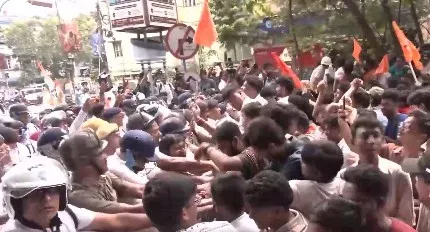
The RTI disclosure comes against the backdrop of two rounds of clashes on the JU campus in recent weeks between activists of the Communist Party of India (Marxist)'s student wing, the Students' Federation of India (SFI), and the Akhil Bharatiya Vidyarthi Parishad (ABVP). A number of student activists from both sides were reportedly injured in the clashes.
Many observers argue that the absence of a legitimate, elected student body has created a governance vacuum on campus, making it easier for factional tensions to escalate without a structured representative mechanism to mediate. The elections question is now likely to remain at the centre of campus politics at JU in the weeks ahead.
Point of View
Yet no authority has been held responsible. The SFI-ABVP clashes are a symptom — the root cause is an institutional void that elected student bodies are specifically designed to fill.
NationPress
17 Oct 2026
Frequently Asked Questions
Does Jadavpur University currently have an elected students' union?
No. Jadavpur University confirmed through an official RTI reply that no elected students' body is functional in any of its three wings — FETSU, SFSU, or AFSU. The last elections were held in February 2020, and the tenures of those office-bearers expired in February 2021.
When were the last students' elections held at Jadavpur University?
The last students' elections at JU were conducted in February 2020. The statutory tenures of the office-bearers elected then expired in February 2021, leaving the university without elected student representation for over four years.
Why were students' elections not held at JU during the TMC government?
Despite repeated demands from JU students and assurances from the then State Education Department and the Trinamool Congress government, elections were never conducted. No official reason was provided for the continued delay.
What is the current political situation around JU student elections?
Following the BJP-led government's assumption of power in West Bengal, JU students have renewed demands for elections at the earliest. Chief Minister Suvendu Adhikari has also weighed in, criticising past governments for allegedly fostering an anti-national environment at the university.
What triggered the recent violence on the JU campus?
Two rounds of clashes occurred between activists of the SFI — the student wing of the Communist Party of India (Marxist) — and the ABVP on the JU campus recently. A number of student activists from both sides were reportedly injured. The absence of an elected student body to mediate factional disputes is widely seen as a contributing factor.