How are Complaints Against Judges Managed by the Judiciary's Internal System?

Synopsis
The Union government revealed that complaints against judges are managed internally by the judiciary through a robust mechanism. This ensures accountability and adherence to judicial standards, reinforcing the independence of the judiciary as per constitutional provisions.
Key Takeaways
Complaints against judges are managed internally by the judiciary.
The Chief Justice of India and High Court Chief Justices have the authority to address grievances.
The in-house mechanism aims to maintain judicial independence.
Statistical data shows the number of complaints over the years.
No new mechanism has been proposed for complaints handling.
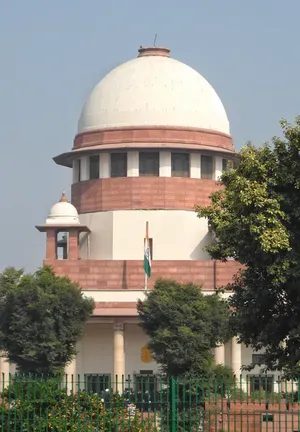
New Delhi, Feb 13 (NationPress) The Union government announced on Friday that grievances directed at judges within the higher judiciary are managed through an "in-house mechanism" established by the judiciary itself. The Chief Justice of India (CJI) and the Chief Justices of High Courts possess the authority to review these complaints.
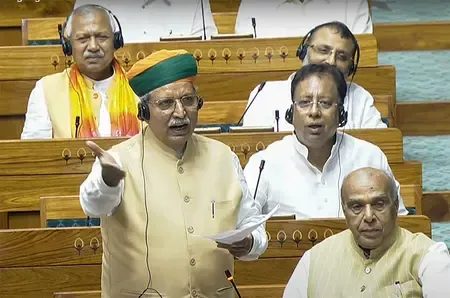
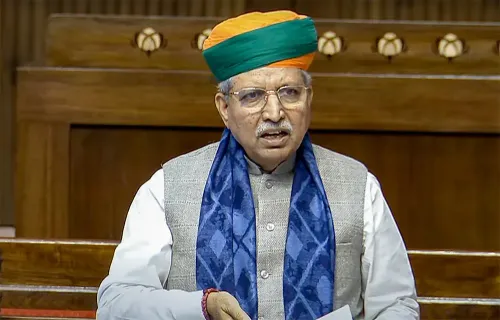
In response to a question posed in the Lok Sabha, Arjun Ram Meghwal, the Minister of State (MoS) for Law and Justice (Independent Charge), emphasized that the independence of the judiciary is a constitutional principle, and such complaints are processed internally following established protocols.
“The independence of the judiciary is enshrined in the Constitution of India. Complaints against judges and Chief Justices of High Courts are managed by the judiciary through an 'in-house mechanism,'” stated the MoS in a written response presented in the Lok Sabha.
Additionally, Meghwal, who also serves as the Minister of State for Parliamentary Affairs, informed the assembly that on May 7, 1997, the Supreme Court passed two significant resolutions—“The Restatement of Values of Judicial Life” and the “In-house Procedure”—to define judicial standards and outline remedial actions for judges who fail to meet accepted values.
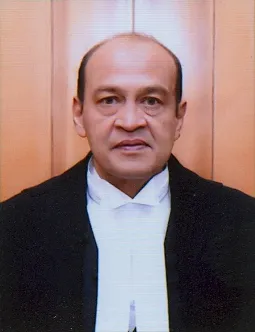
According to the established internal procedure for the higher judiciary, the CJI is authorized to receive complaints against Supreme Court judges and Chief Justices of High Courts, while Chief Justices of High Courts are responsible for addressing complaints against High Court judges.
“Complaints against members of the higher judiciary received through the Centralised Public Grievance Redress and Monitoring System (CPGRAMS), or any other method, are directed to the Chief Justice of India or the Chief Justices of High Courts who are qualified to handle such grievances,” MoS Meghwal elaborated.
Sharing statistics from the Supreme Court, the MoS noted that the number of complaints submitted to the office of the CJI regarding sitting judges over the past decade was as follows: 729 in 2016, 682 in 2017, 717 in 2018, 1,037 in 2019, 518 in 2020, 686 in 2021, 1,012 in 2022, 977 in 2023, 1,170 in 2024, and 1,102 in 2025.
The Union government did not propose any additional mechanisms beyond the current internal procedure, reaffirming that complaints received via CPGRAMS or any other format are sent to the CJI or Chief Justices of High Courts for necessary action.
Point of View
It is essential to recognize the significance of the judiciary's internal mechanisms for addressing complaints. This ensures that the judicial system maintains its integrity and independence, which is a cornerstone of democracy in our nation. It is vital that citizens have confidence in the ability of the judiciary to self-regulate and uphold standards.
NationPress
26 Sept 2026
Frequently Asked Questions
What is the in-house mechanism for handling complaints against judges?
The in-house mechanism is a process established by the judiciary to address complaints against judges, allowing the Chief Justice of India and Chief Justices of High Courts to review and take necessary actions.
Who is responsible for examining complaints against Supreme Court judges?
The Chief Justice of India (CJI) is responsible for examining complaints against judges of the Supreme Court.
How many complaints were received against judges in recent years?
Over the past decade, the number of complaints received has varied, with notable numbers including 1,170 in 2024 and 1,102 in 2025.
Is there any new mechanism proposed for handling complaints?
The Union government has not proposed any new mechanism beyond the existing in-house procedure for handling complaints against judges.
How does the mechanism ensure judicial independence?
The mechanism is designed to maintain the independence of the judiciary by allowing it to manage its own complaints internally, as enshrined in the Constitution.