Kamakhya Temple reopens after Ambubachi Mela 2025, lakhs throng Nilachal Hills
Synopsis
The Kamakhya Temple's sanctum reopened on 26 June after a three-day ritual closure for Ambubachi, drawing lakhs of pilgrims to Nilachal Hills in Guwahati. Described as the 'Mahakumbh of the East', this year's congregation was among the largest in the Northeast — a reminder that Tantric Shakti worship commands a following that mainstream religious coverage routinely underestimates.
Key Takeaways
The Kamakhya Temple in Guwahati reopened on 26 June 2025 after a three-day ritual closure for Ambubachi .
The four-day Ambubachi Mela began on 22 June and concluded with Ambubachi Nivritti rituals on Friday.
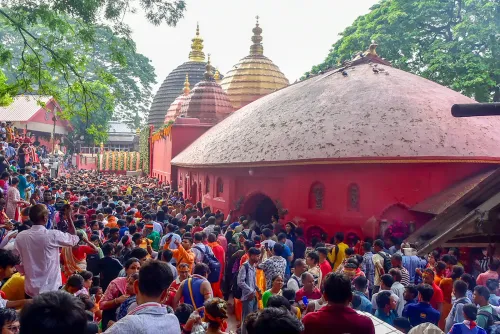
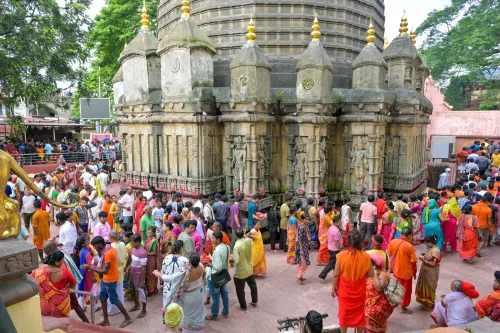
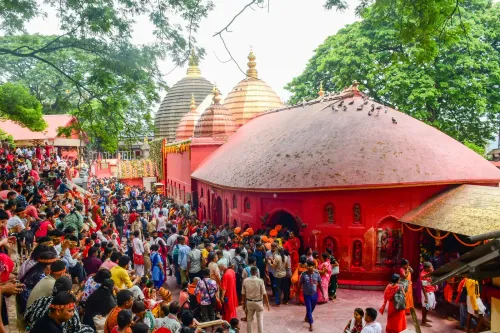
Lakhs of devotees , sadhus, tantriks, and tourists from across India and abroad attended the congregation.
Pilgrims received the sacred Angabastra and Angodak following the temple's reopening.
Authorities deployed security, medical, sanitation, and traffic management measures for the event.
Kamakhya Temple is one of India's 51 Shakti Peethas and a premier centre of Tantric worship.
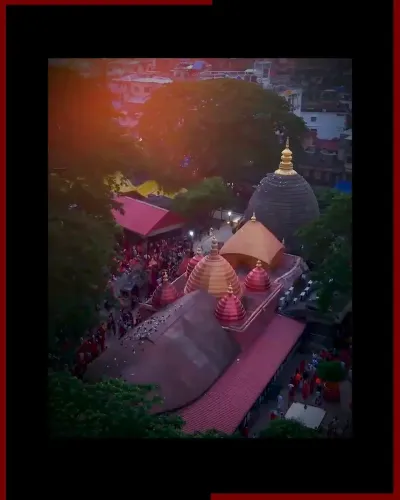
The Kamakhya Temple atop Nilachal Hills in Guwahati reopened its sanctum sanctorum on Friday, 26 June after the conclusion of the four-day Ambubachi Mela, one of India's largest annual Hindu religious gatherings, drawing lakhs of devotees who had waited days for the sacred doors to part. The ritual closure, which began on 22 June, marks the Goddess's annual menstrual cycle — a period of seclusion observed without any formal worship.
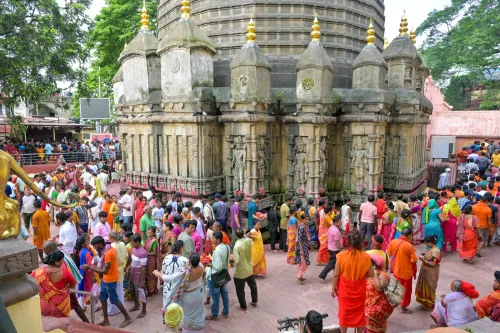
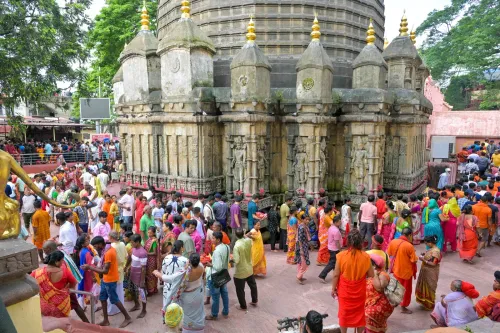
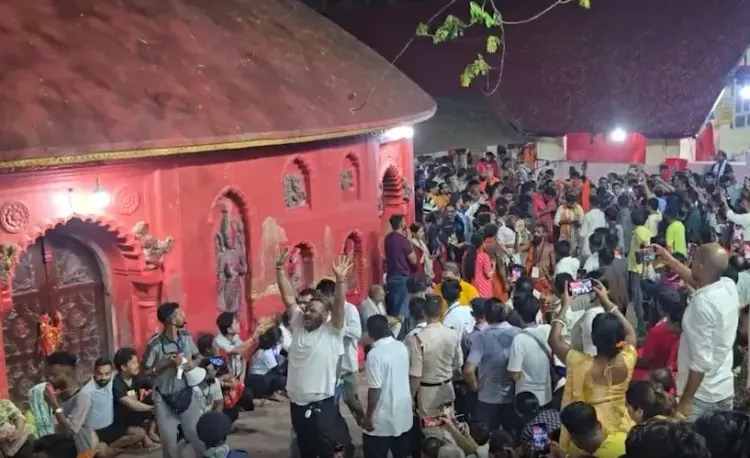
Thousands of pilgrims surged toward the temple immediately after the reopening, forming long queues to receive the sacred Angabastra (sanctified cloth) and Angodak (holy water), both regarded as highly auspicious by devotees of Goddess Kamakhya.
What the Ambubachi Mela Marks
The Ambubachi Mela, widely described as the 'Mahakumbh of the East', is rooted in the Shakti tradition. It is observed on the belief that Goddess Kamakhya — revered as the embodiment of feminine power and fertility — undergoes her annual menstruation during this period. The temple remains shut for three days, with all worship suspended, before the Ambubachi Nivritti rituals formally conclude the observance and restore regular prayer.
The festival holds deep significance in Tantric traditions and draws ascetics, tantriks, spiritual seekers, and pilgrims from across India and abroad every year. This year's congregation, which began on 22 June, was among the largest in the Northeast, according to officials.
Scale of the Gathering
Authorities reported that lakhs of devotees visited the Nilachal Hills during the four-day period. The temple precinct saw an unprecedented influx of sadhus, tantriks, and tourists alongside regular pilgrims. The sheer scale placed Kamakhya Temple among India's most-attended religious sites during this annual window.
Notably, the congregation's size this year reinforced the Ambubachi Mela's standing as the region's most significant spiritual event — one that routinely rivals pilgrimage numbers seen at far larger venues elsewhere in the country.
Arrangements by Authorities
State and temple authorities made extensive preparations ahead of the festival, deploying security personnel, setting up medical facilities, managing sanitation, ensuring drinking water supply, and regulating traffic on the Nilachal Hills approach roads. Officials indicated the event concluded without any major untoward incident.
Significance of Kamakhya Temple
The Kamakhya Temple is one of the 51 Shakti Peethas and ranks among India's foremost centres of Tantric worship. Its origins trace back several centuries, and it remains a living pilgrimage site that draws practitioners of Shakta and Tantric traditions year-round. The annual Ambubachi Mela amplifies that draw manifold, turning Guwahati into a temporary spiritual capital of the subcontinent for four days each June.
With the mela concluded, the temple has returned to its regular worship schedule, and the flow of pilgrims is expected to continue in the days ahead as devotees unable to attend during the peak period make their way to the hills.
Point of View
Yet it receives a fraction of the national media attention directed at larger-branded pilgrimages. The festival's Tantric and Shakta character, centred on the Goddess's menstrual cycle, also carries a rare cultural specificity that distinguishes it from more sanitised pilgrimage narratives. For Assam, the mela is not merely spiritual theatre; it is an economic and logistical event that tests state capacity every June. The consistent reporting of 'successful conclusions' without granular crowd or incident data leaves the public with an incomplete picture of what managing such a congregation actually demands.
NationPress
25 Sept 2026
Frequently Asked Questions
What is the Ambubachi Mela at Kamakhya Temple?
The Ambubachi Mela is a four-day annual Hindu religious congregation held at the Kamakhya Temple in Guwahati, Assam, based on the belief that Goddess Kamakhya undergoes her annual menstrual cycle during this period. The temple remains closed for three days, with all worship suspended, before reopening after the Ambubachi Nivritti rituals conclude. It is often called the 'Mahakumbh of the East' and is one of India's largest Shakti-tradition festivals.
When did the Kamakhya Temple reopen after Ambubachi 2025?
The Kamakhya Temple reopened its sanctum sanctorum on Friday, 26 June 2025, following the conclusion of the Ambubachi Nivritti rituals. The temple had been closed since 22 June, when the Ambubachi observance commenced.
What is the significance of Angabastra and Angodak?
Angabastra (sanctified cloth) and Angodak (holy water) are sacred offerings distributed to devotees after the Kamakhya Temple reopens following Ambubachi. Both are considered highly auspicious and are among the most sought-after blessings at the temple during this period.
Who attends the Ambubachi Mela?
The Ambubachi Mela draws a wide range of attendees including regular pilgrims, sadhus, tantriks, ascetics, spiritual seekers, and tourists from across India and abroad. This year's congregation was among the largest in the Northeast, according to officials.
What is the religious importance of the Kamakhya Temple?
The Kamakhya Temple atop Nilachal Hills in Guwahati is one of the 51 Shakti Peethas and is considered one of India's foremost centres of Tantric worship. It is dedicated to Goddess Kamakhya, revered as the embodiment of feminine power and fertility, and has been a major pilgrimage site for several centuries.