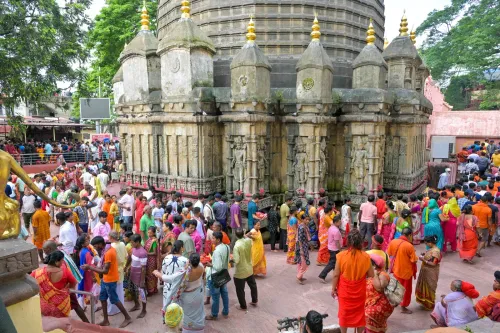
Kamakhya Temple reopens after Ambubachi Mela; lakhs of pilgrims expected
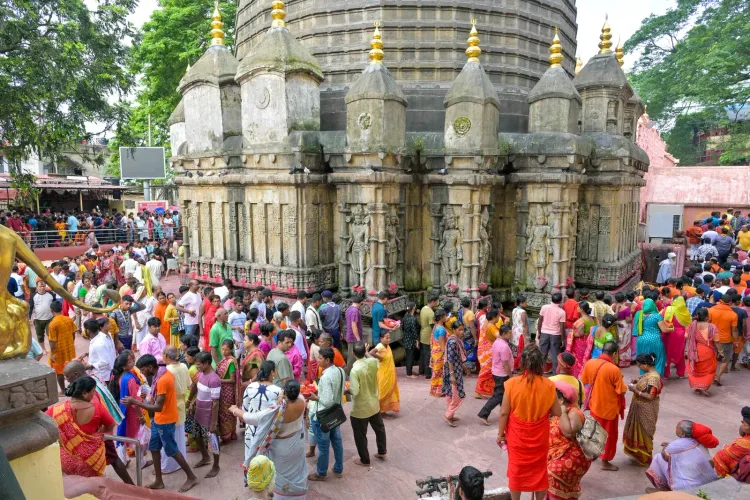
Synopsis
For three days, one of India's most powerful Shakti Peethas fell silent. As the Ambubachi Mela concludes, the Kamakhya Temple in Guwahati reopens its gates — and lakhs of pilgrims who have waited through the sacred closure are now expected to surge in to receive the highly auspicious Angodak and Angabastra, making this annual ritual one of the most remarkable confluences of faith in eastern India.
Key Takeaways
The Kamakhya Temple in Guwahati is set to reopen on Friday, 27 June 2025 after a three-day closure for the Ambubachi Mela .
The temple closed on the night of 22 June at 9:08:42 pm IST following the commencement of the 'Pravritti' ritual .
The closure marks the sacred period associated with Goddess Kamakhya's annual menstrual cycle, a central tenet of the festival's belief system.
Devotees will seek the Angodak and Angabastra upon reopening, considered among the most auspicious offerings at the shrine.
The Kamakhya Temple is one of the 51 Shakti Peethas , drawing lakhs of pilgrims, sadhus and ascetics annually for the mela.
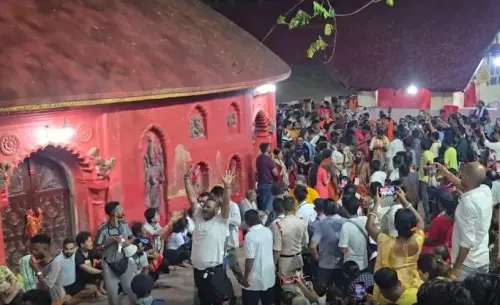
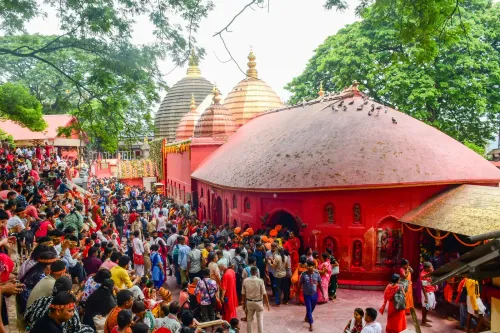
The iconic Kamakhya Temple in Guwahati, Assam, is set to reopen on Friday, 27 June 2025, following a three-day closure observed as part of the annual Ambubachi Mela — one of the largest and most significant Shakti festivals in eastern India. The shrine will welcome devotees after the customary Nitya Puja, concluding a sacred period that draws lakhs of pilgrims from across the country and beyond.
Why the Temple Closed
The temple gates were shut on the night of 22 June following the commencement of the 'Pravritti' ritual at precisely 9:08:42 pm IST, marking the onset of the sacred observance. This annual closure honours the belief that Goddess Kamakhya — revered as the embodiment of feminine creative power — undergoes her yearly menstrual cycle during this period.
In keeping with centuries-old tradition, entry to the sanctum was barred and all regular religious rituals remained suspended throughout the three-day seclusion. The practice reflects a deeply rooted cultural reverence for the Goddess's fertility and the symbolic menstruation of Mother Earth.
Significance of the Ambubachi Mela
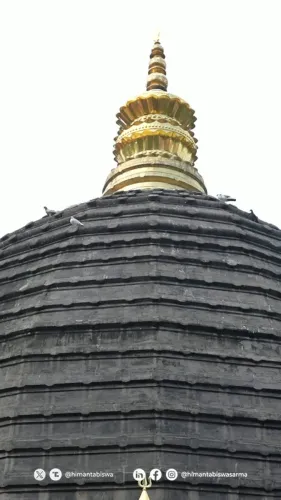
Situated atop the Nilachal Hills in Guwahati, the Kamakhya Temple is one of the 51 Shakti Peethas and holds profound religious importance for Hindu devotees, particularly those following Tantric traditions. The Ambubachi Mela is considered among the most important festivals associated with Shakti worship in India, celebrating the fertility of the earth and the creative power of the divine feminine.
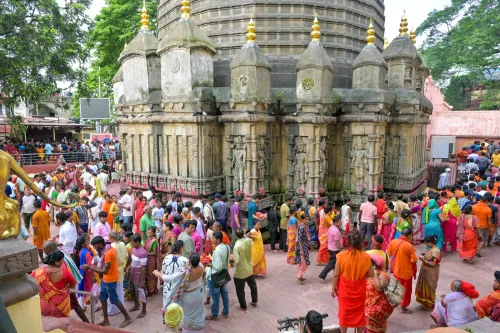
Every year, the mela transforms Guwahati into a major centre of spiritual activity, drawing sadhus, ascetics, pilgrims and spiritual seekers in vast numbers. The gathering is comparable in scale and religious weight to some of the largest Hindu festivals on the subcontinent.
What Devotees Can Expect After Reopening
Upon the temple's reopening, pilgrims are expected to throng the shrine to receive the sacred Angodak and Angabastra — offerings considered highly auspicious and sought after by devotees who travel specifically for this occasion. Temple authorities have put in place extensive arrangements to manage the anticipated surge of pilgrims, sadhus and tourists.
Both the temple administration and Assam state authorities are coordinating to ensure smooth and orderly conduct of the concluding celebrations, with crowd management and security protocols in place across the Nilachal Hills complex.
Looking Ahead
With the Ambubachi Mela drawing to a close, attention now shifts to the safe dispersal of the massive congregation and the resumption of daily rituals at one of India's most revered temples. The event's conclusion each year marks both a spiritual milestone and a logistical achievement for the state of Assam.
Point of View
The commercialisation creeping around the mela's periphery — unauthorised sadhus, unregulated camps — remains an under-reported challenge for temple authorities.
NationPress
24 Sept 2026
Frequently Asked Questions
When will the Kamakhya Temple reopen after Ambubachi Mela 2025?
The Kamakhya Temple is set to reopen on Friday, 27 June 2025, following the customary Nitya Puja. The temple had been closed since the night of 22 June as part of the three-day Ambubachi Mela observance.
Why is the Kamakhya Temple closed during Ambubachi Mela?
The temple closes each year to honour the belief that Goddess Kamakhya undergoes her annual menstrual cycle during this period. In keeping with tradition, entry to the sanctum is barred and all regular rituals are suspended for three days, symbolising the seclusion observed during the Goddess's menstruation.
What is the significance of the Ambubachi Mela?
The Ambubachi Mela is one of the most important Shakti festivals in India, celebrating the fertility of Mother Earth and the divine feminine creative power. The Kamakhya Temple, one of the 51 Shakti Peethas, is the focal point of the festival, which draws lakhs of pilgrims, sadhus and spiritual seekers annually.
What are Angodak and Angabastra at Kamakhya Temple?
Angodak and Angabastra are sacred offerings distributed to devotees after the temple reopens following Ambubachi Mela. They are considered highly auspicious, and pilgrims travel specifically to receive them at the conclusion of the festival.
Where is the Kamakhya Temple located?
The Kamakhya Temple is situated atop the Nilachal Hills in Guwahati, Assam. It is one of the 51 Shakti Peethas and holds particular significance for followers of Tantric traditions within Hinduism.