Kamakhya Temple closes for Ambubachi Mahayog 2025, lakhs of pilgrims gather
Synopsis
The Kamakhya Temple — one of Hinduism's 51 Shakti Peethas and the epicentre of tantric worship in India — has shut its doors for the annual Ambubachi Mahayog. Lakhs of pilgrims, sadhus, and tantric practitioners have converged on Guwahati's Nilachal Hills for an observance that blends deep mythological significance with one of eastern India's largest religious gatherings.
Key Takeaways
Kamakhya Temple in Guwahati, Assam closed on 22 June for the annual Ambubachi Mahayog .
The sanctum remains shut for three days , in observance of the believed annual menstruation cycle of Goddess Kamakhya .
The Ambubachi Mela , called the 'Mahakumbh of the East', draws lakhs of pilgrims each year.
Upon reopening, devotees will receive sacred offerings — Rakta Bastra and Angodak — considered highly auspicious.
The Assam government and Kamrup (Metro) district administration have deployed security, medical, and traffic management arrangements for the congregation.
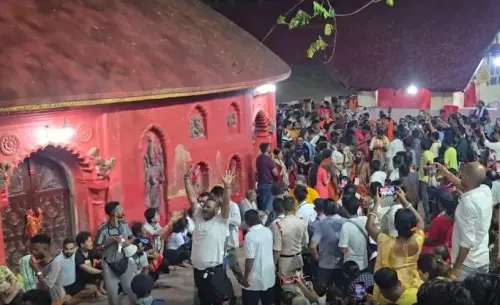
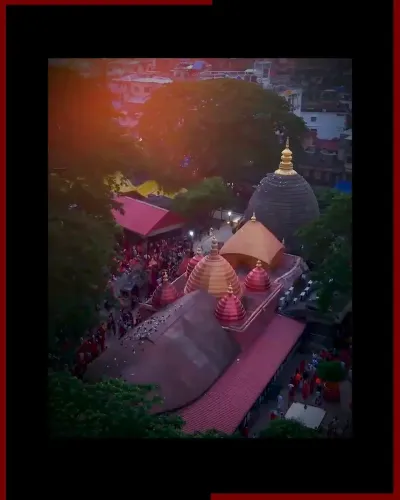
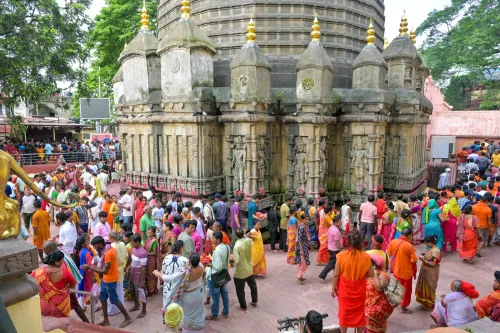
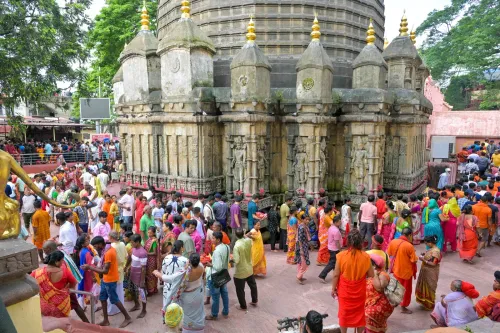
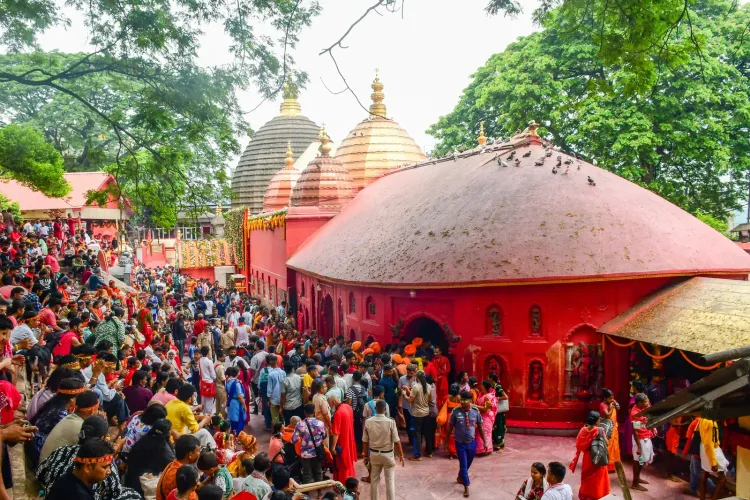
The doors of the Kamakhya Temple atop Nilachal Hills in Guwahati, Assam were shut on Monday, 22 June, marking the commencement of the Ambubachi Mahayog — one of the largest religious congregations in eastern India. The sanctum will remain closed to devotees for three days as the annual observance gets underway, drawing lakhs of pilgrims, sadhus, and tantric practitioners from across the country and abroad.
What Ambubachi Mahayog Signifies
The Ambubachi Mahayog is rooted in Shakta tradition and is associated with the annual menstruation cycle of Goddess Kamakhya. According to religious belief, the deity undergoes her yearly period during this period, and all worship, rituals, and entry into the sanctum sanctorum are suspended for the duration. The observance is regarded as one of the most significant tantric festivals in India, deeply linked to the veneration of feminine power and fertility.
The Mahakumbh of the East
The Ambubachi Mela, often described as the 'Mahakumbh of the East', attracts lakhs of pilgrims annually. Thousands of sadhus, saints, tantric practitioners, and devotees had already arrived at the temple complex ahead of the closure. The gathering holds immense spiritual weight within Shakta communities and draws participants not just from India but from overseas as well.
Significance of the Kamakhya Temple
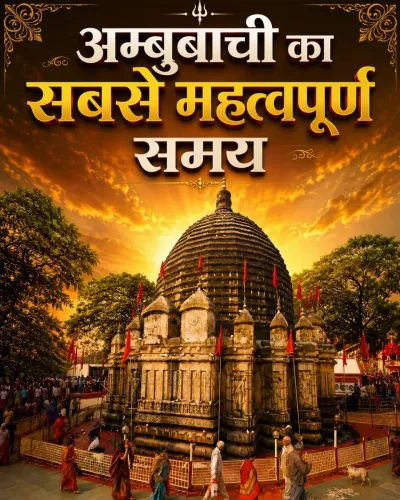
The Kamakhya Temple is one of the 51 Shakti Peethas and is considered among the most sacred centres of Shakti worship in Hinduism. According to Hindu mythology, the temple marks the spot where the yoni (womb and genitals) of Goddess Sati fell after Lord Vishnu dismembered her body with his Sudarshan Chakra. Its position atop Nilachal Hills overlooking the Brahmaputra river has made it a site of pilgrimage for centuries.
What Happens After the Three Days
Temple authorities stated that the sanctum will reopen following the completion of the prescribed rituals. Upon reopening, devotees will be permitted to offer prayers and receive the sacred Rakta Bastra and Angodak — both considered highly auspicious among followers of the Goddess. The reopening is expected to draw massive crowds, as receiving these offerings during Ambubachi is seen as spiritually meritorious.
Administration Arrangements
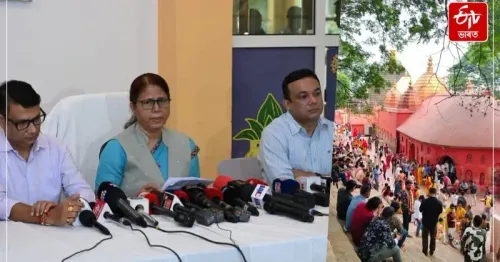
The Assam government, Kamrup (Metro) district administration, and multiple agencies have deployed elaborate arrangements to manage the expected influx. These include security personnel, medical facilities, sanitation services, traffic management, and accommodation for pilgrims. Authorities are anticipating one of the highest footfalls in recent years when the temple reopens after the three-day observance.
Point of View
And its mass attendance signals a distinct strand of popular religiosity that sits outside mainstream Vaishnavite practice. For Assam, the mela is also an economic and infrastructural stress test: the state's ability to manage lakhs of pilgrims on Nilachal Hills in monsoon conditions will be watched closely. The 'Mahakumbh of the East' label, while evocative, also raises the question of whether the administration's preparations match the scale of that comparison.
NationPress
21 Sept 2026
Frequently Asked Questions
What is the Ambubachi Mahayog at Kamakhya Temple?
The Ambubachi Mahayog is an annual three-day religious observance at the Kamakhya Temple in Guwahati, Assam, during which the temple's sanctum sanctorum is closed to devotees. It is associated with the believed annual menstruation cycle of Goddess Kamakhya and is one of the most significant tantric festivals in India.
Why is the Kamakhya Temple closed during Ambubachi?
According to Shakta tradition, Goddess Kamakhya is believed to undergo her annual menstrual period during Ambubachi, and all worship and rituals inside the sanctum are suspended for three days as a mark of reverence. The closure is a core part of the observance, not a disruption to it.
When will the Kamakhya Temple reopen after Ambubachi 2025?
The temple closed on 22 June 2025 and is expected to reopen after three days, following the completion of prescribed rituals. Upon reopening, devotees will be allowed to offer prayers and receive the sacred Rakta Bastra and Angodak.
What is the significance of Rakta Bastra and Angodak?
Rakta Bastra and Angodak are sacred offerings distributed to devotees after the Kamakhya Temple reopens post-Ambubachi. Both are considered highly auspicious among followers of Goddess Kamakhya and are among the most sought-after blessings of the mela.
Why is the Ambubachi Mela called the Mahakumbh of the East?
The Ambubachi Mela earns this title because of the sheer scale of its congregation — lakhs of pilgrims, sadhus, saints, and tantric practitioners gather at the Kamakhya Temple each year, making it one of the largest religious gatherings in eastern India, comparable in spiritual significance to the Kumbh Mela.