Karachi turning unlivable as Sindh-federal tensions rise in Pakistan
Synopsis
Karachi — Pakistan's economic engine — is scoring 42.7 out of 100 on the global liveability index, ranking alongside cities synonymous with instability. With a 40 MGD water deficit, a 4.5°C urban heat island, and a Sindh minister publicly calling out federal neglect, the city's crisis is no longer just an urban planning failure — it is a political flashpoint.
Key Takeaways
Karachi scores just 42.7 out of 100 on the Economist Intelligence Unit's Global Liveability Index , placing it in the bottom five globally.
Senior Sindh Minister Sharjeel Inam Memon has criticised the federal government for a 'low priority' approach to Karachi's development.
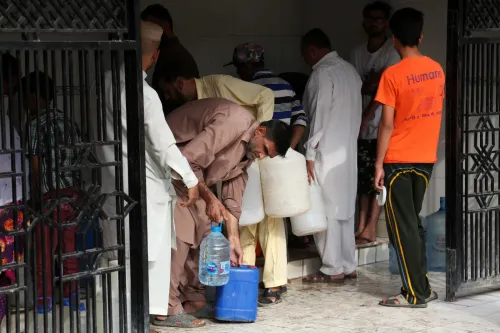
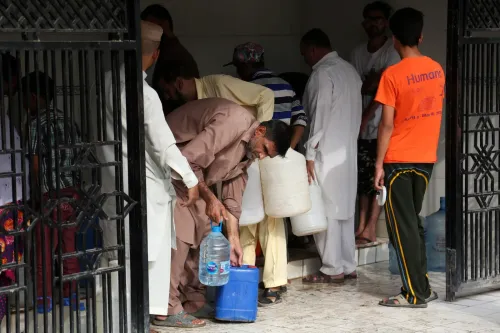
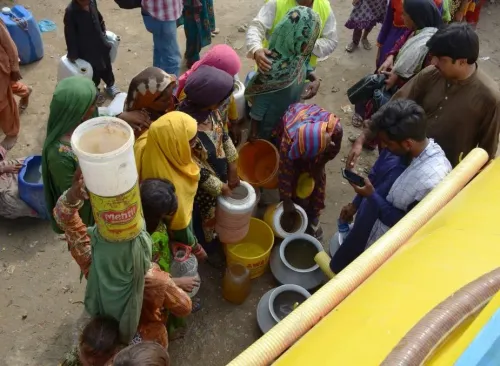
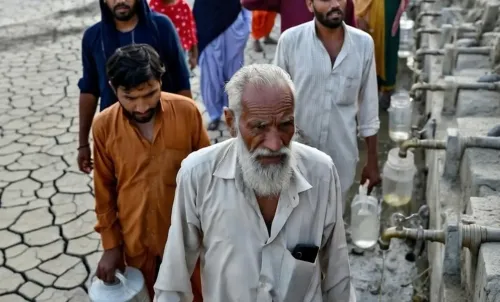
The city faces a daily water shortfall of 40 MGD , receiving only 610 MGD against a requirement of 650 MGD .
Karachi records an urban-rural temperature gap of approximately 4.5 degrees Celsius — the highest among major Pakistani cities.
Forbes ranked Karachi the second riskiest city for tourists globally, citing security risks, poor infrastructure, and economic vulnerabilities.
Continuous migration and reactive governance have left the city's housing, transport, and water systems critically overstretched.
Karachi, Pakistan's largest commercial city and primary port, is deteriorating into one of the world's least livable urban centres, with mounting friction between the Sindh provincial government and Islamabad over chronic underinvestment at the heart of the crisis, according to reports. The city of over 20 million people scores just 42.7 out of 100 on the Economist Intelligence Unit's Global Liveability Index, placing it consistently in the bottom five globally.
Sindh-Federal Fault Lines
Senior Sindh Minister Sharjeel Inam Memon has sharply criticised the federal government for what he describes as a 'low priority' approach toward Karachi. His remarks, according to reports, highlight deepening fault lines between provincial and federal authorities over infrastructure funding and urban development. Despite being the country's main trade gateway, Karachi has reportedly been bypassed in the development of the national motorway network — an omission that analysts say has left the city's transport arteries critically overburdened.
Transport and Water Crisis
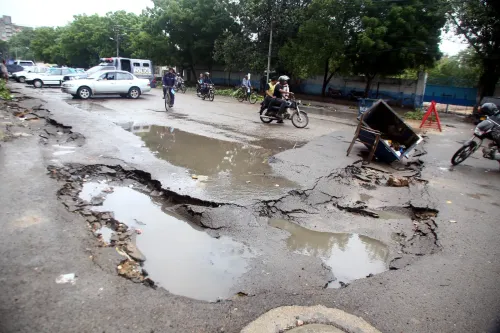
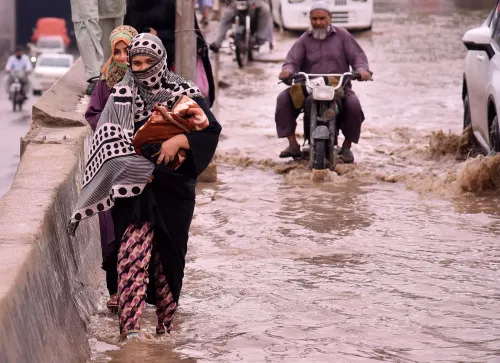
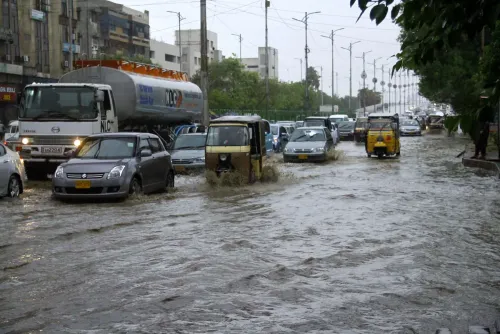
Heavy freight traffic from across Pakistan converges on Karachi, battering its roads and trapping commuters in daily gridlock. The transport crisis is compounded by a severe water deficit: the city requires 650 million gallons per day (MGD) but currently receives only 610 MGD, leaving a shortfall of 40 MGD. Civic infrastructure is not merely inadequate — in many districts, it is effectively absent, exposing residents to public health risks and eroding quality of life.
Heat Island and Health Risks
Studies indicate that Karachi records the highest urban-rural temperature difference among major Pakistani cities, at approximately 4.5 degrees Celsius. Delivery riders, rickshaw drivers, and outdoor workers reportedly experience temperatures well above official averages. The city's built environment is increasingly designed in ways that absorb and retain heat, worsening both health outcomes and productivity. Combined with the water shortage, the heat crisis is pushing residents — particularly low-income groups — into what reports describe as a precarious daily struggle.
Global Rankings and Class Divide
Karachi's decline is reflected in multiple international assessments. The Asian Development Bank has flagged Pakistan's urban centres as increasingly inefficient, with Karachi specifically cited for congestion and pollution. Forbes recently ranked the city as the second riskiest destination for tourists worldwide, citing high personal security risks, poor infrastructure, and economic vulnerabilities. Class divisions compound the crisis: elites have retreated to cantonment areas and private housing societies, while low-income populations are concentrated in overcrowded districts such as Karachi East. Ethnic and religious tensions further fracture the city, periodically fuelling outbreaks of violence.
Governance Gap and What Comes Next
Continuous migration from across Pakistan continues to swell Karachi's population, intensifying pressure on already-strained housing, transport, and water systems. Governance, critics argue, has remained reactive — focused on short-term fixes rather than structural reform. The federal government's reluctance to prioritise the city in national development plans, combined with what observers call provincial mismanagement, has left Karachi's infrastructure overstretched and its residents underserved. Without a coordinated federal-provincial framework for long-term investment, the gap between Karachi's economic indispensability to Pakistan and its residents' lived reality is likely to widen further.
Point of View
Karachi will remain what it is — indispensable to Pakistan's economy and invisible to its planners.
NationPress
27 Sept 2026
Frequently Asked Questions
Why is Karachi considered one of the world's least livable cities?
Karachi scores just 42.7 out of 100 on the Economist Intelligence Unit's Global Liveability Index, placing it consistently in the bottom five globally. The city faces a combination of severe water shortages, transport gridlock, extreme urban heat, poor civic infrastructure, and high personal security risks.
What is the dispute between Sindh and Pakistan's federal government over Karachi?
Senior Sindh Minister Sharjeel Inam Memon has publicly criticised the federal government for treating Karachi as a 'low priority' in national development plans. Despite being Pakistan's main port and commercial hub, the city has reportedly been excluded from the national motorway network, and federal infrastructure investment has been minimal relative to the city's economic contribution.
How severe is Karachi's water crisis?
Karachi requires 650 million gallons of water per day but currently receives only 610 MGD, leaving a daily shortfall of 40 MGD. This deficit, combined with inadequate civic infrastructure, poses significant public health risks for millions of residents.
How does Karachi's heat island problem affect residents?
Studies show Karachi has the highest urban-rural temperature difference among major Pakistani cities, at around 4.5 degrees Celsius. Outdoor workers such as delivery riders and rickshaw drivers reportedly experience temperatures far above recorded averages, worsening health outcomes and reducing productivity.
How has Karachi been rated in international safety and risk rankings?
Forbes recently ranked Karachi as the second riskiest city for tourists worldwide, citing high personal security risks, poor infrastructure, and economic vulnerabilities. The Asian Development Bank has also flagged the city for congestion and pollution as part of a broader assessment of Pakistan's urban inefficiency.