Karachi water crisis deepens as K-IV delays and political neglect persist
Synopsis
Karachi's water crisis is no accident — it is the cumulative product of years of political neglect, inter-governmental blame-shifting, and a K-IV project that may not be completed until 2030. While lawmakers exchange accusations in the National Assembly, the city's poorest residents queue overnight at public pumps, and a tanker mafia fills the vacuum that governance left behind.
Key Takeaways
Karachi is facing a chronic water shortage worsened by the onset of summer, with access determined by wealth or connections.
A tanker 'mafia' charges inflated rates for additional supply, while the urban poor rely on limited government tankers or overnight queues at public pumps.
MQM lawmakers raised the crisis in Pakistan's National Assembly , blaming the PPP -led Sindh government for delays in the K-IV water supply project .
The federal minister for water resources said the federal government and WAPDA would complete their K-IV contribution within the current year.
An MQM leader warned the project may not be completed even by 2030 .
Pakistani daily Dawn criticised political leadership for repeated empty promises with no credible solutions offered.
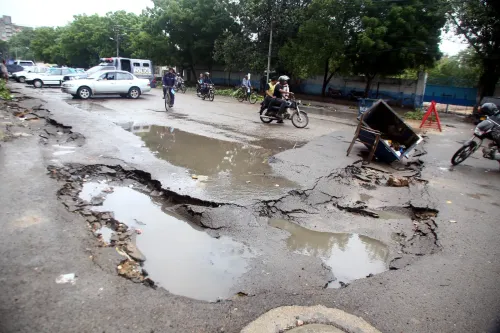
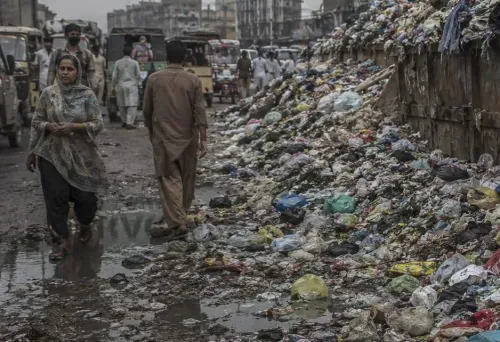
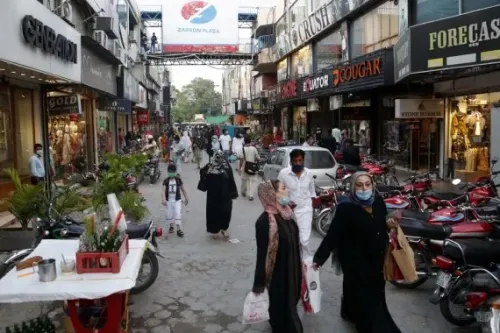
Karachi, Pakistan's commercial capital, is grappling with a severe and worsening water crisis, with access to the basic necessity now largely determined by personal connections or financial capacity, according to an editorial report in Pakistani daily Dawn. The shortage, long in the making, has been aggravated by the onset of summer and years of administrative neglect by successive city rulers.
A City Divided by Access
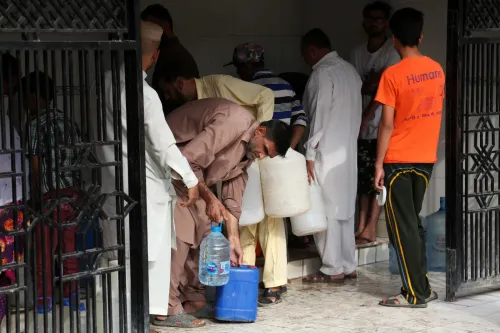
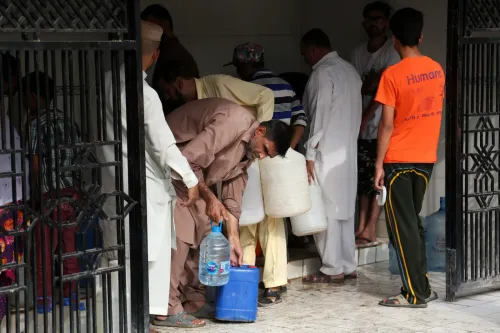
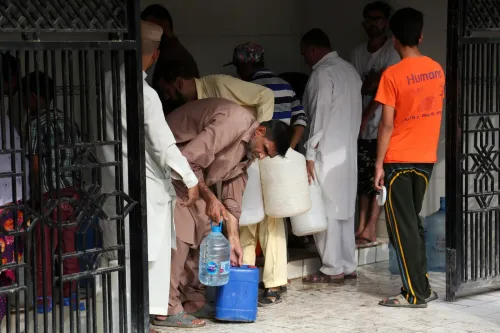
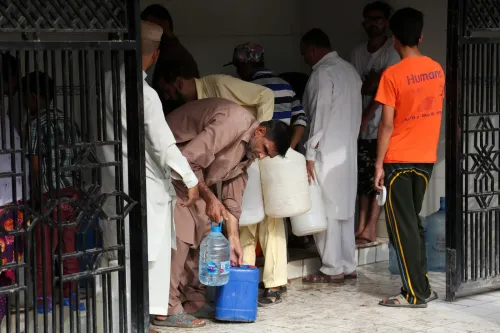
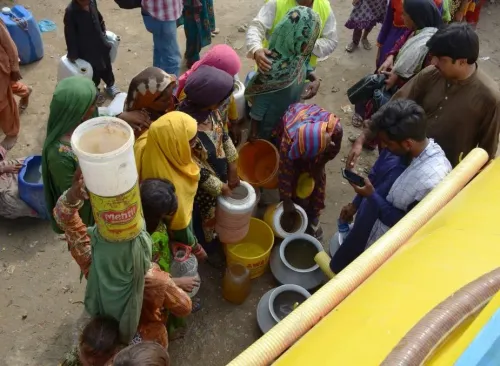
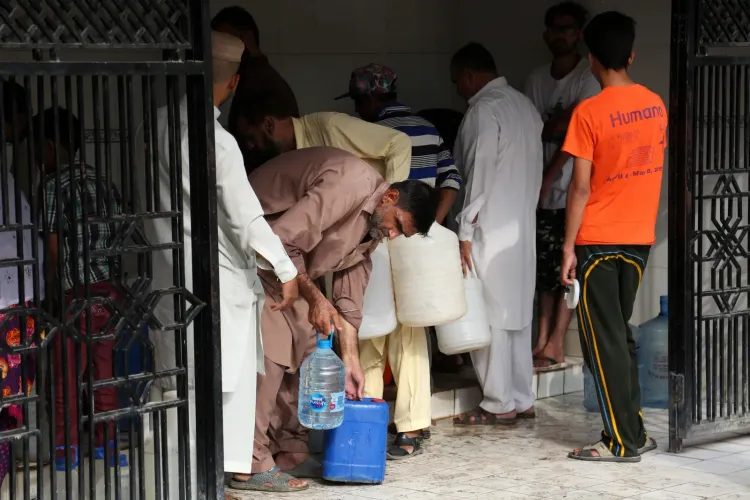
In neighbourhoods that still receive piped water, residents reportedly compete aggressively to draw more than their share into private tanks. Those without such access face a starker reality — queuing overnight at public pumps or purchasing water from informal 'black market' dealers who tap illegally into water mains.
For those with financial means, the tanker 'mafia' offers an expensive but available alternative, charging inflated rates for additional supply. The urban poor, however, have no such recourse, relying on a limited number of government-supplied tankers each day. 'It is a pitiable situation, made galling by the consistent lack of care shown by successive rulers and administrators of the city towards its long-suffering residents,' the Dawn editorial noted.
K-IV Project at the Centre of the Debate
Lawmakers from the Muttahida Qaumi Movement (MQM) raised the water shortage in Pakistan's National Assembly on Wednesday, holding the Pakistan Peoples Party (PPP)-led Sindh government responsible for delays in completing the K-IV water supply project — a long-pending infrastructure initiative meant to augment Karachi's supply.
The federal minister for water resources assured that the federal government and the Water and Power Development Authority (WAPDA) would complete their contribution to K-IV within the current year. However, an MQM leader countered that the project may still not be finished by 2030, underscoring the depth of scepticism around official timelines.
Political Theatre Without Solutions
The Dawn report was pointed in its assessment of the parliamentary session, noting that no credible solution was proposed or discussed. 'They drop a few headline-worthy quotes here and there, make empty promises, and then return to usual business,' the editorial observed, describing the political response as a recurring script played out each summer when public distress peaks.
The report added that this pattern — of rhetorical acknowledgment followed by inaction — has repeated year after year, with no structural improvement to show for it. 'The progressively deteriorating state of the country's commercial engine cannot be denied,' it stated, warning that Karachi's trajectory would worsen unless its leaders found genuine incentive to act.
Why This Matters Beyond Karachi
Karachi contributes an estimated significant share of Pakistan's tax revenues and is the country's primary port city, making its infrastructural decline a national economic concern, not merely a local governance failure. This comes amid Pakistan's broader fiscal stress, where large infrastructure projects have repeatedly stalled due to funding disputes between the federal government and provincial administrations. The K-IV project has been in various stages of planning and partial execution for years, making it emblematic of a wider pattern of delayed urban infrastructure across Pakistan's major cities.
Point of View
The same cycle plays out — political statements, inter-party blame, and no structural fix — while a tanker mafia monetises the vacuum. The K-IV project's potential delay to 2030 is not a technical problem; it reflects a federal-provincial accountability gap that no parliamentary session has meaningfully addressed. Karachi generates a disproportionate share of Pakistan's economic output, yet its residents cannot reliably access drinking water. That contradiction should be the central political crisis it is — not a seasonal talking point.
NationPress
24 Sept 2026
Frequently Asked Questions
What is causing Karachi's water crisis?
Karachi's water crisis stems from years of administrative neglect, inadequate infrastructure investment, and delays in completing the K-IV water supply project. The situation worsens each summer as demand rises, forcing residents to rely on expensive private tankers or queue overnight at public pumps.
What is the K-IV water supply project?
The K-IV project is a long-pending water supply infrastructure initiative intended to significantly augment Karachi's water supply. The federal minister for water resources has said the federal government and WAPDA will complete their contribution within the current year, but an MQM leader has warned the project may not be fully complete until 2030.
Who is responsible for Karachi's water shortage?
MQM lawmakers have held the PPP-led Sindh government responsible for delays in the K-IV project. The federal government has, in turn, stated it is fulfilling its own obligations. Critics, including Dawn's editorial board, argue that both levels of government have failed Karachi's residents through years of inaction.
How are Karachi residents coping with the shortage?
Wealthier residents pay inflated rates to private water tankers, while those with piped connections compete with neighbours to overfill personal tanks. The urban poor queue overnight at public pumps or purchase water from informal dealers who illegally tap into water mains.
Has any solution been proposed in Pakistan's parliament?
According to reports, no credible solution was proposed or discussed during the National Assembly session where MQM lawmakers raised the issue. Dawn's editorial described the session as typical of a recurring pattern of headline-worthy statements followed by no substantive action.