Karachi ranks 170th globally as Pakistan's governance crisis deepens: Report
Synopsis
Karachi has landed at 170th out of 173 cities on the EIU's Global Liveability Index 2026 — scoring a stark 20 on stability — while a new analytical report in The Friday Times declares it the clearest symptom of Pakistan's deeper governance disease: authority concentrated, accountability absent, and citizens left without recourse.
Key Takeaways
Karachi ranked 170th out of 173 cities on the EIU Global Liveability Index 2026 , making it the world's fourth least liveable city .
The city scored 43 out of 100 overall, with just 20 on stability — its lowest category score.
Only Dhaka , Damascus , and Tripoli ranked below Karachi globally.
A report by Syed Khawar Mehdi in The Friday Times attributes the crisis to fragmented authority, overlapping jurisdictions, and weak municipal institutions.
Responsibility is spread across provincial departments, municipal bodies, cantonment boards, and development authorities, with no clear accountability mechanism.
The report calls for better-designed decentralisation rather than further centralisation of power.
Karachi, Pakistan's largest city and primary economic engine, has emerged as the starkest symbol of the country's systemic governance breakdown, according to a detailed analysis published in leading Pakistani daily The Friday Times. The report, authored by Syed Khawar Mehdi, describes Karachi not merely as a city in distress but as a cautionary case study for a nation where authority is centralised, accountability is absent, and citizens remain distant from the decisions that govern their daily lives.
A City Fractured by Overlapping Authority
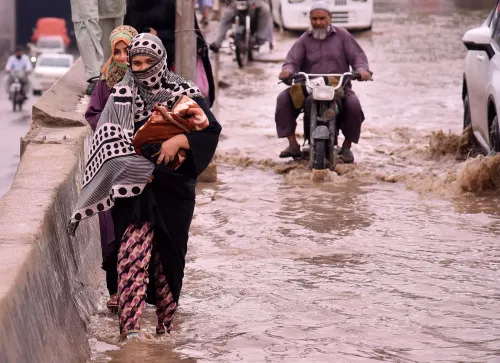
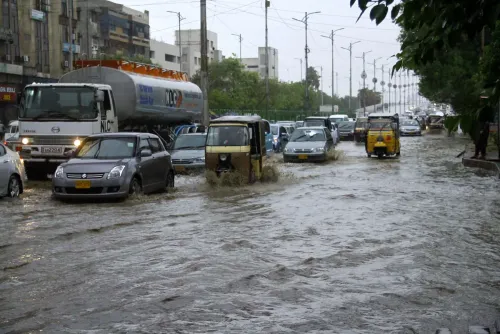
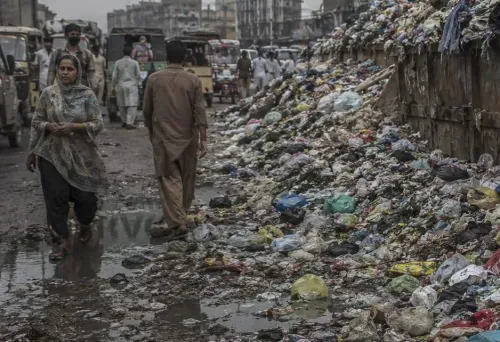
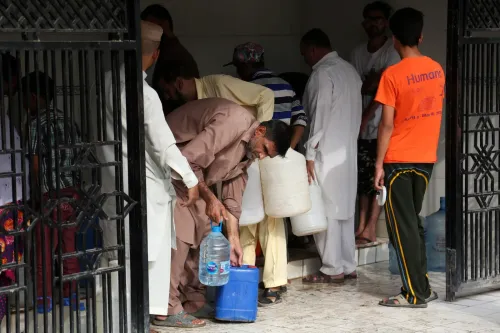
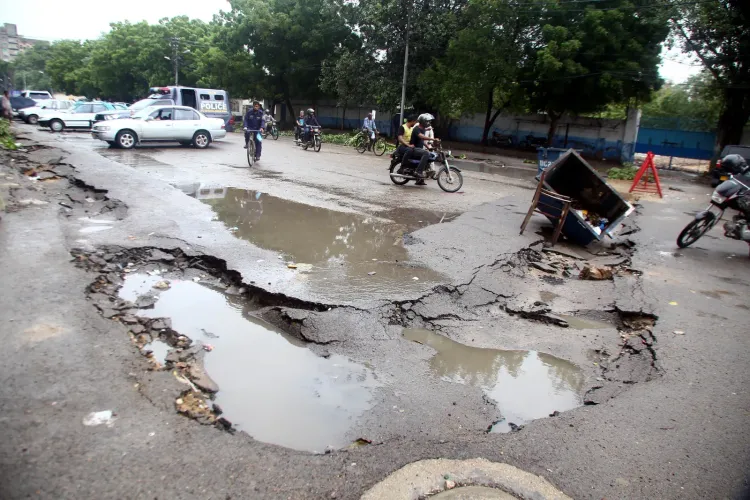
The core dysfunction in Karachi, according to the report, is not simply crumbling roads, chronic traffic gridlock, or unreliable waste management — though all of those persist. The deeper crisis lies in a fundamental question of governance: who actually runs Karachi? Responsibility is reportedly distributed across provincial departments, municipal bodies, cantonment boards, development authorities, and a web of other institutions, with no single entity clearly accountable.
Despite years of political continuity in Sindh, residents continue to face fragmented authority, overlapping jurisdictions, and weak municipal institutions. The relationship between political power and administrative responsibility, the report argues, remains deeply inadequate.
What the Report Says About Pakistan's Governance Architecture
'Karachi is not merely a city in crisis. It is a warning about the consequences of a governance structure that has become too centralised, too politicised and too distant from the citizen,' Mehdi wrote. He argues that Pakistan's largest city should, by any reasonable measure, be a showcase of competent urban management — instead, it has become one of the clearest manifestations of the country's wider governance deficit.
The report identifies several foundational principles of good governance — transparent decision-making, financial integrity, administrative competence, institutional accountability, citizen participation, equitable resource distribution, and policy continuity — and finds Pakistan's governance architecture wanting on each count. Local agencies, it notes, lack adequate financial autonomy, administrative authority, and institutional continuity to fulfil their mandates.
Karachi's Dismal Global Liveability Score
The governance failures have a measurable global footprint. Last month, Karachi was ranked the world's fourth least liveable city on the Economist Intelligence Unit's (EIU) annual Global Liveability Index 2026, placing 170th out of 173 cities assessed. Only Dhaka, Damascus, and Tripoli ranked lower, according to reports citing Pakistani daily Dawn.
Karachi received an overall score of 43 out of 100. Broken down by category, the city scored 20 on stability, 54 on healthcare, 36 on culture and environment, 75 in education, and 52 in infrastructure. The EIU index assesses the challenges a city's environment presents to an individual's lifestyle, using indicators spanning healthcare, stability, culture, education, and infrastructure.
The Structural Argument: Decentralisation, Not More Control
'The issue is therefore not Karachi versus Sindh, nor province versus federation. It is whether Pakistan chooses effective and accountable government over an entrenched culture in which authority is perniciously concentrated while responsibility remains blurred,' Mehdi wrote. His prescription is not another layer of centralisation but better-designed decentralisation.
He argues that Pakistan's governance debate has for too long revolved around personalities, parties, elections, and constitutional confrontation, while neglecting the institutional question that matters most: how to make government work for the ordinary citizen.
What This Means Going Forward
Karachi's predicament reflects a broader structural challenge for Pakistan — one that no single election or administrative reshuffle is likely to resolve. With the city's liveability score among the lowest on earth and its governance model drawing international scrutiny, pressure is mounting on both provincial and federal authorities to move beyond political rhetoric toward institutional reform. Whether that pressure translates into action remains to be seen.
Point of View
Karachi will remain less a city than a cautionary exhibit.
NationPress
11 Oct 2026
Frequently Asked Questions
How did Karachi rank on the EIU Global Liveability Index 2026?
Karachi ranked 170th out of 173 cities, making it the world's fourth least liveable city on the Economist Intelligence Unit's Global Liveability Index 2026. It received an overall score of 43 out of 100, with only Dhaka, Damascus, and Tripoli ranked lower.
What are Karachi's individual scores on the EIU index?
Karachi scored 20 on stability, 54 on healthcare, 36 on culture and environment, 75 in education, and 52 in infrastructure, for an overall score of 43 out of 100.
Why is Karachi considered a symbol of Pakistan's governance deficit?
According to a report by Syed Khawar Mehdi in The Friday Times, Karachi exemplifies Pakistan's governance crisis because responsibility is fragmented across provincial departments, municipal bodies, cantonment boards, and development authorities, with no clear accountability. Despite being Pakistan's largest city and economic engine, it suffers from weak municipal institutions and a disconnect between political power and administrative responsibility.
What solution does the report propose for Karachi's governance crisis?
The report argues against further centralisation, calling instead for better-designed decentralisation. Mehdi contends that Pakistan's governance debate has focused too long on personalities and elections while neglecting the institutional question of how to make government work for ordinary citizens.
What principles of good governance does the report say Pakistan is failing on?
The report identifies transparent decision-making, financial integrity, administrative competence, institutional accountability, citizen participation, equitable resource distribution, and policy continuity as core governance principles — and finds Pakistan's architecture weak on each. Local agencies are said to lack adequate financial autonomy and institutional continuity.