Karachi power, gas outages disrupt Muharram Ashura observances
Synopsis
Despite K-Electric's assurances of uninterrupted supply through Muharram 11, at least 14 Karachi neighbourhoods reported prolonged power cuts during Ashura, leaving residents unable to cook sehri or iftar meals. The outages also triggered water shortages — and exposed a widening gap between utility promises and ground reality across Sindh.
Key Takeaways
Residents across at least 14 Karachi neighbourhoods — including Saddar , Clifton , and Lyari — reported prolonged power cuts during Ashura on 26 June .
K-Electric claimed supply remained 'uninterrupted' as per schedule, but residents directly contradicted this account.
Gas supply vanished in several areas during iftar hours, forcing residents to buy food from restaurants and vendors.
Power outages cascaded into water shortages as electricity is needed to pump water to residential taps.
In Hyderabad , Sui Southern Gas Company (SSGC) failed to deliver gas during its own announced nine-hour daily schedule , with residents reporting pipelines carrying air for 15–20 minutes before gas flowed.
Residents of Karachi, Pakistan's largest city, struggled to prepare sehri and iftar meals during Ashura as widespread gas and electricity outages hit multiple neighbourhoods, local media reported on Friday, 26 June. The disruptions came despite assurances from utility providers that supply would remain stable through Muharram 11.
Areas Hit by Prolonged Power Cuts
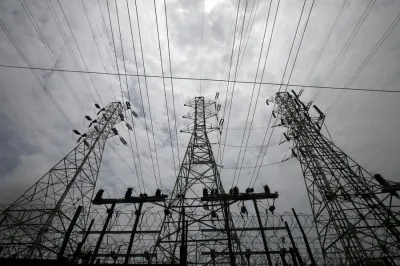
Large swathes of the city experienced extended outages beginning late Wednesday night, affecting localities including Saddar, Burns Road, Lyari, Clifton, Defence Housing Authority, Federal B. Area, North Karachi, Liaquatabad, Malir, Korangi, Shah Faisal Colony, Orangi Town, Keamari, and Baldia Town. K-Electric maintained that power supply remained 'uninterrupted' as per schedule, but residents across these areas contradicted that claim with on-ground complaints.
Many households resorted to alternate power arrangements — generators and inverters — to keep lights on during religious gatherings. The gap between the utility's official position and the lived experience of residents underscored a credibility problem that has dogged K-Electric for years.
Gas Supply Vanishes at Critical Hours
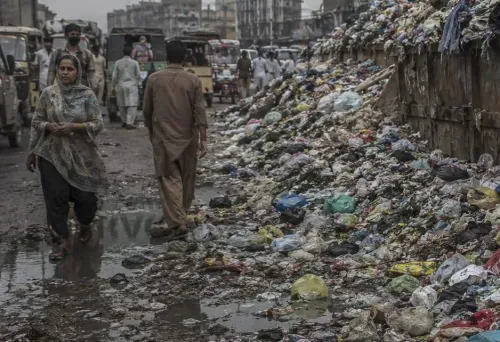
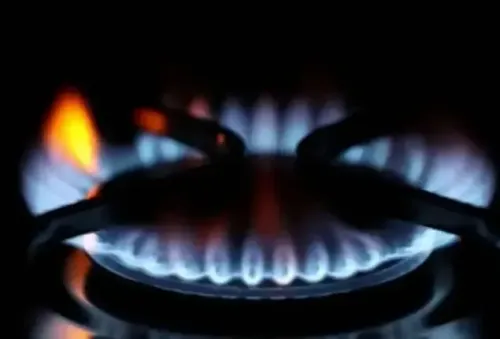
Gas supply, already unreliable across much of Karachi, reportedly disappeared entirely in several areas — particularly during iftar time — forcing residents to buy prepared food from restaurants and street vendors. A large number of people across almost every part of the city turned to commercial outlets for their iftar meals, according to reports.
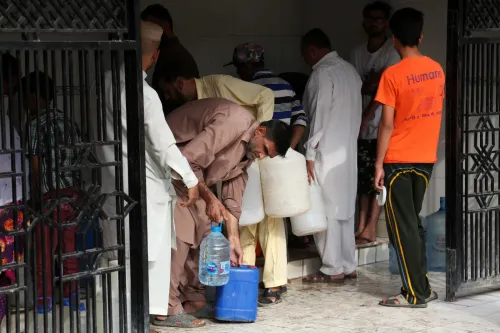
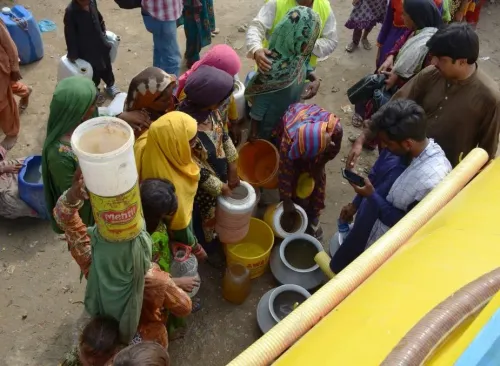
The water supply was also affected: because pumping water to residential taps depends on electricity, power outages cascaded into water shortages in many neighbourhoods, compounding the hardship during a period of intense religious observance.
Residents Speak Out
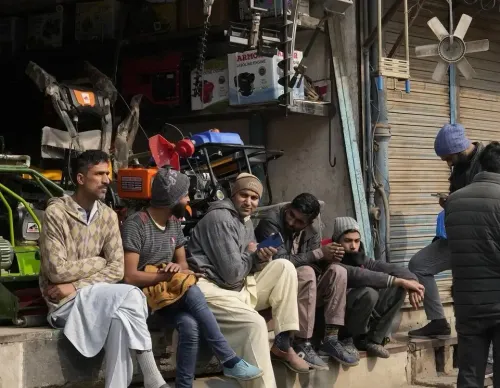
Citizens took to social media to voice their frustration. Resident Zafar Hasan questioned utility services directly: 'Don't they realise that people should be provided uninterrupted gas and electricity particularly during the observance of religious days when it is needed most?' Another resident criticised the Sindh provincial government for failing to coordinate with utility providers ahead of Muharram to ensure uninterrupted supply.
Wider Pattern: Hyderabad Also Reeling
The Karachi crisis is part of a broader utility failure across Sindh. Earlier in June, residents of Hyderabad reported receiving no gas during the nine-hour daily schedule announced by Sui Southern Gas Company (SSGC) — which had promised three hours of supply each in the morning, afternoon, and night. In areas that did receive gas, pressure was so low that cooking was described as nearly impossible.
Residents reported that pipelines carried only air for 15 to 20 minutes before gas began to flow, prompting women to repeatedly light stoves and leave burners open to purge the air — a practice that keeps meters running and inflates bills. One Latifabad resident summed up the situation bluntly: 'We are paying for air in our gas bills while spending hours in the kitchen to cook a single meal.'
What Comes Next
With Muharram observances continuing, pressure on utility providers to deliver on their stated schedules is expected to intensify. Civic groups and residents have called on the Sindh government to hold K-Electric and SSGC accountable for the gap between official commitments and actual service delivery — a recurring flashpoint that resurfaces with each religious season.
Point of View
Where residents pay meter charges while pipelines carry air, points to a billing-versus-delivery disconnect that amounts to a quiet consumer crisis. Muharram simply made it visible.
NationPress
25 Sept 2026
Frequently Asked Questions
Why did Karachi face power and gas outages during Ashura?
Karachi experienced prolonged electricity and gas outages during Ashura on 26 June, disrupting sehri and iftar meal preparations across at least 14 neighbourhoods. K-Electric had claimed exemptions from scheduled loadshedding through Muharram 11, but residents reported cuts beginning late Wednesday night regardless.
Which areas of Karachi were affected by the outages?
Areas affected included Saddar, Burns Road, Lyari, Clifton, Defence Housing Authority, Federal B. Area, North Karachi, Liaquatabad, Malir, Korangi, Shah Faisal Colony, Orangi Town, Keamari, and Baldia Town, according to reports.
What did K-Electric say about the power cuts?
K-Electric maintained that power supply remained 'uninterrupted' as per its schedule and that several areas had been exempted from loadshedding until Muharram 11. Residents across multiple localities disputed this claim, reporting extended outages.
How did the power outages affect water supply in Karachi?
Because residential water pumping depends on electricity, the power cuts triggered secondary water shortages in many neighbourhoods, compounding difficulties during the Muharram observance period.
Is Hyderabad also facing utility failures?
Yes. Earlier in June, residents of Hyderabad in Sindh reported that Sui Southern Gas Company (SSGC) failed to supply gas during its announced nine-hour daily schedule. In areas that did receive gas, pressure was so low that cooking was nearly impossible, with pipelines reportedly carrying air for 15 to 20 minutes before gas began flowing.