Pralhad Joshi Reviews Food Dept on PDS Reforms
Synopsis
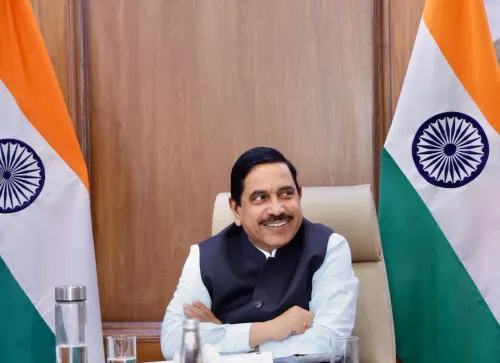
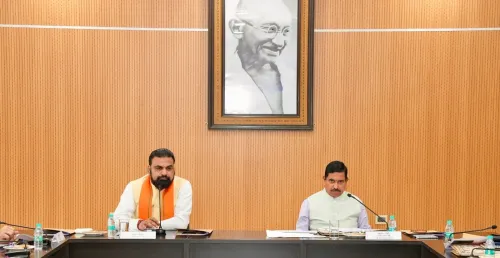
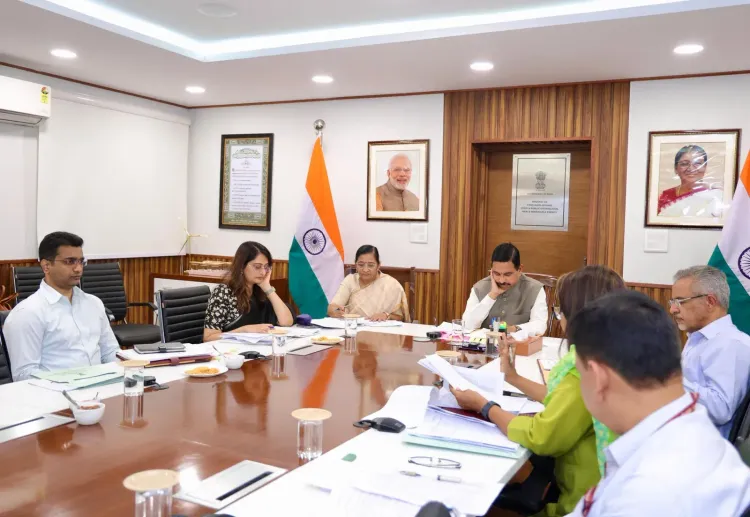
Union Consumer Affairs Minister Pralhad Joshi on 10 August 2026 chaired a review meeting with senior Food Department officials, assessing procurement, storage, and public distribution programmes with a focus on technology-driven reforms and improved service delivery to PDS beneficiaries.
Key Takeaways
Pralhad Joshi held a review meeting with senior officials of the Department of Food and Public Distribution on 10 August 2026 .
The review covered three operational pillars: procurement, storage, and public distribution .
Key focus areas included technology-driven reforms, transparency, and efficient service delivery to beneficiaries.
The Public Distribution System operates under the National Food Security Act of 2013 , providing subsidised foodgrains to eligible households.
Central government has previously pursued Aadhaar seeding of ration cards and computerisation of supply chains to curb leakages.
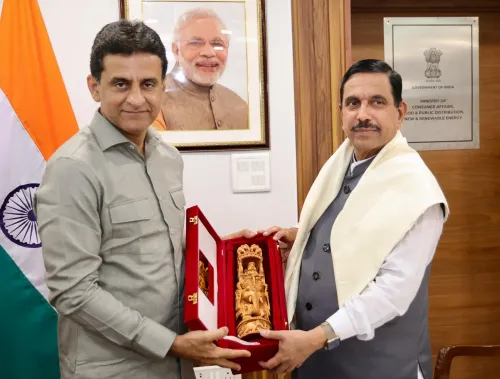
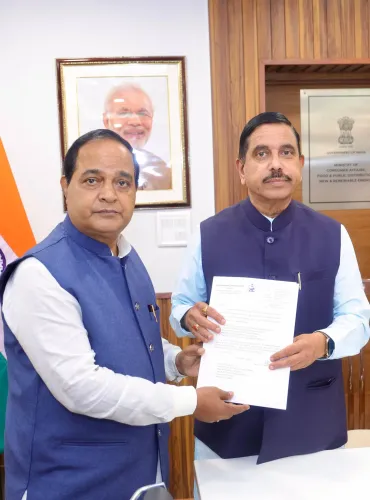
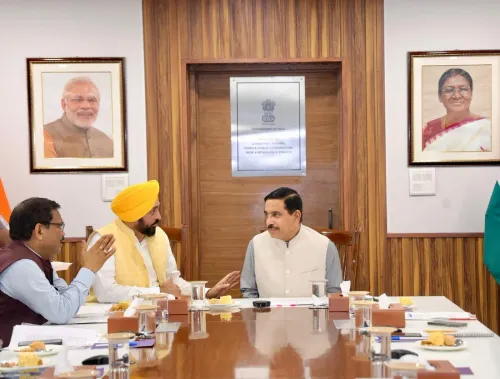
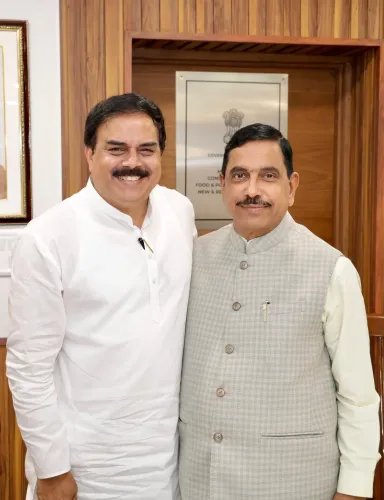
India's public distribution machinery came under the ministerial lens on Monday, 10 August 2026, as Union Consumer Affairs Minister Pralhad Joshi convened a high-level meeting with senior officials of the Department of Food and Public Distribution to take stock of where the system stands — and where it must go.
The minister reviewed ongoing work across three pillars of the food security chain: procurement, storage, and public distribution. The stated focus was on technology-driven reforms, transparency, efficient operations, and improved service delivery to the millions of households that depend on the Public Distribution System (PDS) for subsidised foodgrains.
A System Built on the National Food Security Act
The PDS that Joshi's ministry oversees is anchored in the National Food Security Act of 2013, which extended the legal right to subsidised grain — primarily wheat and rice — to a significant share of India's population. The department sits at the nerve centre of this entitlement, coordinating with state governments on procurement targets, godown capacity, and last-mile delivery to ration cardholders. The review meeting signals the minister's intent to actively monitor execution rather than leave programme management to routine bureaucratic cycles — a posture that typically precedes either a policy push or a course correction.Technology at the Heart of PDS Reform
The emphasis on 'technology-driven reforms' is not incidental. Successive governments have invested heavily in digitising the PDS — seeding ration cards with Aadhaar, computerising supply chains, and deploying electronic point-of-sale devices at fair-price shops to authenticate beneficiaries and reduce leakage. The challenge has always been translating central-level architecture into uniform, reliable delivery at the district and village level. By placing technology and transparency at the centre of Monday's deliberations, Joshi is signalling that this reform trajectory will continue and likely deepen under his watch. The next indicator to watch: whether the ministry follows the review with specific state-level rollout targets or technology pilot announcements in the weeks ahead.Point of View
Ghost beneficiaries, and state-centre coordination gaps have dogged every government. A minister-level review focused explicitly on transparency and technology signals that the BJP administration sees reform credibility here as both a governance imperative and an electoral asset. The outcome to watch is whether this translates into measurable targets — digitisation coverage, leakage reduction metrics — or remains a periodic audit exercise.
NationPress
25 Sept 2026
Frequently Asked Questions
What did Pralhad Joshi review in his Food Department meeting?
Joshi reviewed ongoing initiatives in procurement, storage, and public distribution, with a focus on technology-driven reforms, transparency, and improved service delivery to PDS beneficiaries.
What is the Department of Food and Public Distribution?
It is the central government department responsible for procuring, storing, and distributing subsidised foodgrains to eligible households through the Public Distribution System (PDS).
What is the National Food Security Act?
Enacted in 2013 , the National Food Security Act gives eligible Indian households a legal right to subsidised foodgrains — primarily wheat and rice — through the PDS.
How has technology been used to reform the PDS?
The central government has pursued Aadhaar seeding of ration cards, computerisation of supply chains, and electronic point-of-sale devices at fair-price shops to authenticate beneficiaries and reduce leakage.
What should we watch for after this review meeting?
Watch for announcements of specific technology pilots, state-level rollout targets, or policy directives from the ministry in the weeks following the August 2026 review.