Pralhad Joshi Reviews FCI Personnel Practices, Pushes Data-Driven Reforms

Synopsis
Union Minister Pralhad Joshi chaired a review of personnel matters at the Food Corporation of India on October 13, 2026, calling for transparent, data-driven and objective HR processes to strengthen accountability and organisational efficiency at the foodgrain body.
Key Takeaways
Minister Pralhad Joshi chaired an FCI personnel review meeting on Tuesday, October 13, 2026 .
He stressed a 'rational, data-driven and system-based approach' to personnel administration at FCI.
The minister called for 'clear, objective criteria and transparent mechanisms' to ensure fairness and consistency.
The Food Corporation of India is the statutory body responsible for India's foodgrain procurement, storage and distribution under the National Food Security Act, 2013 .
Administrative reforms at FCI have been a recurring governance priority since the NFSA came into force.
Follow-up policy circulars from the Department of Food and Public Distribution will indicate whether the directive produces structural HR changes.
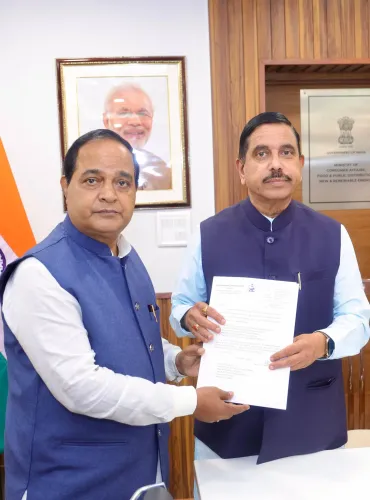
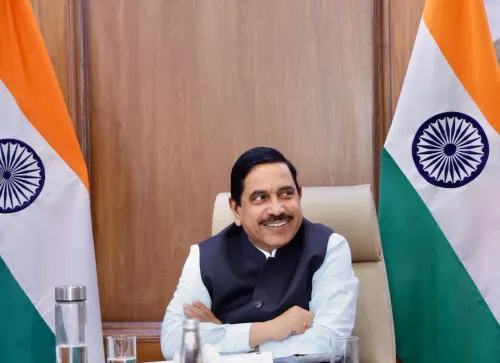
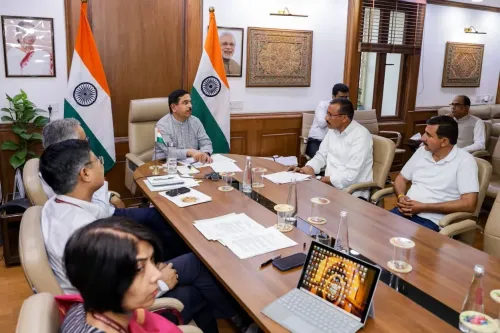
Accountability inside one of India's most consequential food agencies moved to the top of the agenda on Tuesday, October 13, 2026, when Union Consumer Affairs Minister Pralhad Joshi chaired a review meeting on personnel-related matters at the Food Corporation of India (FCI), stressing the need for rational, data-driven and system-based approaches to human resource administration.
What the minister demanded from FCI leadership
Joshi made the thrust of the meeting unambiguous: 'clear, objective criteria and transparent mechanisms' must govern how FCI handles its personnel — from postings and promotions to accountability structures. The explicit call for data-driven decision-making signals discomfort with discretion-heavy processes that have historically drawn criticism in large central public sector undertakings. Fairness, consistency, and organisational efficiency were named as the non-negotiable outcomes.
Why FCI's internal governance matters beyond its own walls
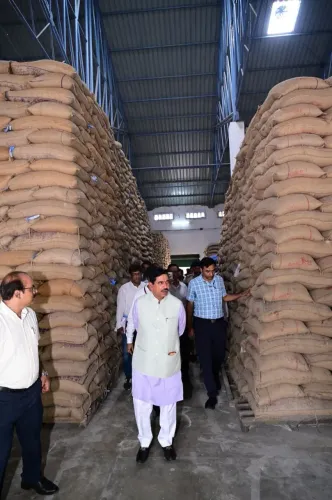
The Food Corporation of India is not an ordinary bureaucratic body. Established as a statutory organisation under the Ministry of Consumer Affairs, Food and Public Distribution, FCI is the backbone of India's food security architecture — responsible for procuring, storing and distributing foodgrains under the National Food Security Act, 2013, which covers hundreds of millions of beneficiaries. How its workforce is managed directly affects operational efficiency up and down the supply chain. Successive administrations have attempted administrative reforms at FCI since the NFSA came into force, and Tuesday's meeting sits squarely in that reform lineage.
A pattern visible across central PSUs
The language Joshi used — objective criteria, transparent mechanisms, system-based approach — mirrors a broader reform vocabulary that has shaped human resource policy across central public sector undertakings over the past decade. Governments have progressively pushed digital systems and codified benchmarks to reduce the scope for discretionary decisions in recruitment, transfers and promotions. For a body as large and geographically spread as FCI, that shift from ad hoc to algorithmic is operationally significant. Follow-up circulars or revised human resource guidelines from the Department of Food and Public Distribution would be the concrete measure of whether Tuesday's directive translates into structural change.
Point of View
A body whose size and opacity have long frustrated policy watchers. The 'data-driven and system-based' framing plugs directly into the NDA government's broader CPSE reform narrative, where digital accountability is the rhetorical and sometimes practical answer to institutional inefficiency. The real test will come in whether the ministry follows with binding HR guidelines — without that, such meetings remain aspirational rather than transformative. For FCI, whose operational credibility underpins India's food security commitments, the stakes of genuine reform are anything but routine.
NationPress
13 Oct 2026
Frequently Asked Questions
What did Pralhad Joshi announce about FCI on October 13, 2026?
Minister Pralhad Joshi chaired a review meeting on personnel matters at the Food Corporation of India, emphasising the need for data-driven, transparent and objective criteria in HR administration to improve fairness and organisational efficiency.
What is the Food Corporation of India and what does it do?
The Food Corporation of India is a statutory body under the Ministry of Consumer Affairs, Food and Public Distribution. It is responsible for the procurement, storage and distribution of foodgrains under India's National Food Security Act, 2013.
Why is FCI personnel management a governance concern?
FCI's large, geographically dispersed workforce makes HR processes — postings, promotions, transfers — susceptible to discretionary decisions. Objective and transparent criteria are seen as essential to reduce inefficiency and ensure accountability in a body central to India's food security.
What reforms has FCI seen in the past?
Since the National Food Security Act came into force in 2013, successive governments have pursued administrative and operational reforms at FCI to improve efficiency, accountability and foodgrain management, often promoting digital systems and codified benchmarks.
What should we watch for after Joshi's FCI meeting?
Follow-up circulars or revised human resource policy guidelines from the Department of Food and Public Distribution will be the clearest indicator of whether the minister's directives translate into concrete structural changes at FCI.