Pralhad Joshi Reviews FCI Operations in Bhubaneswar

Synopsis
Union Consumer Affairs Minister Pralhad Joshi chaired a comprehensive review of the Food Corporation of India in Bhubaneswar on June 13, 2026, stressing stronger food storage, procurement, and distribution systems and calling for greater efficiency, transparency, and improved service delivery across the organisation.
Key Takeaways
Minister Pralhad Joshi chaired a comprehensive review of FCI operations in Bhubaneswar on June 13, 2026 .
The minister emphasised strengthening food storage, procurement, and distribution systems to ensure food security for every citizen.
Discussions covered areas for improvement and measures to enhance efficiency, transparency, and service delivery within FCI.
The Food Corporation of India , established in 1965 , is the central agency responsible for procurement, buffer stocking, and PDS distribution of foodgrains.
The National Food Security Act, 2013 entitles up to 75% of rural and 50% of urban population to subsidised foodgrains, underpinning FCI's large-scale mandate.
Follow-up on storage-capacity targets and new efficiency measures is expected in the next parliamentary session or FCI's annual report.
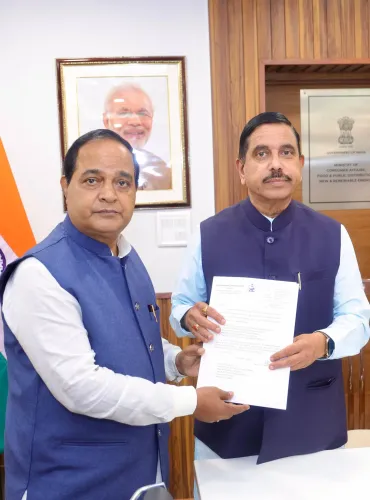
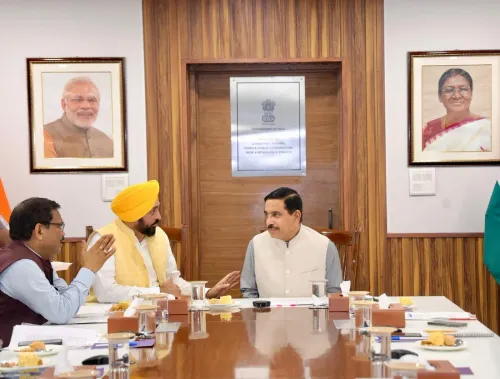
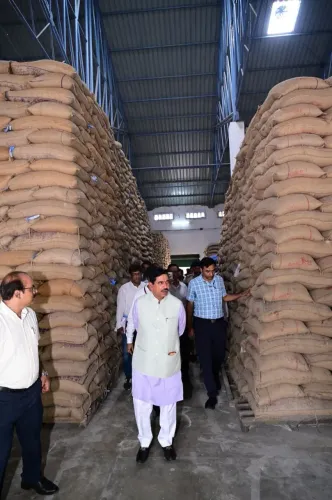
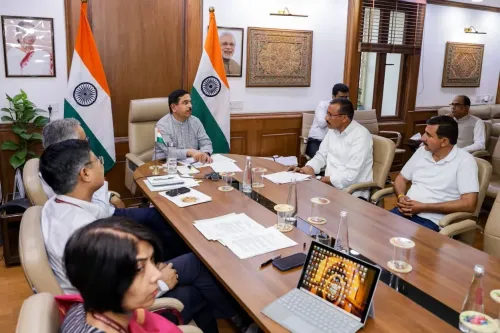
Union Consumer Affairs Minister Pralhad Joshi chaired a comprehensive review meeting of the Food Corporation of India (FCI) in Bhubaneswar on Saturday, June 13, 2026, assessing the organisation's functioning and operational preparedness. The minister stressed the need to strengthen food storage, procurement, and distribution systems to guarantee food security for every citizen.
Context
Posting on X, Joshi said he 'emphasised the importance of strengthening food storage, procurement and distribution systems to ensure food security for every citizen.' He also noted that areas for improvement were discussed, along with 'measures to enhance efficiency, transparency and service delivery across the organisation.' The meeting was held in Bhubaneswar, the capital of Odisha, indicating a regional focus on FCI's eastern operations.
The Food Corporation of India is a central public sector undertaking constituted in 1965 under the Food Corporations Act. It serves as the backbone of India's food security architecture, responsible for procuring foodgrains from farmers at minimum support prices, maintaining buffer stocks, and distributing grain through the public distribution system.
Policy Backdrop
The review sits within a decades-long policy effort to modernise FCI's operations. The Shanta Kumar Committee, which submitted its recommendations in 2015, had called for sweeping reforms to FCI's procurement, storage, and public distribution system operations, including greater decentralisation and reduced fiscal burden on the central exchequer.
The National Food Security Act, 2013 converted existing welfare programmes into legal entitlements, extending subsidised foodgrain access to up to 75 per cent of the rural population and 50 per cent of the urban population. This significantly expanded the scale of FCI's distribution mandate, making efficiency and leakage reduction central concerns for successive governments.
Successive administrations have prioritised expanding modern storage capacity, digitising procurement records, and integrating technology platforms such as the Integrated Management of Public Distribution System to reduce diversion and improve targeting of beneficiaries.
Stakeholders and Impact
The primary stakeholders in FCI's operations include PDS beneficiaries — hundreds of millions of households entitled to subsidised grain — along with foodgrain farmers who depend on FCI procurement for price support, and state governments that manage last-mile distribution. Any improvement in FCI's storage and logistics infrastructure directly affects the reliability of grain supply to fair-price shops across the country.
Odisha has in recent years expanded decentralised procurement of paddy, making the state a relevant venue for a regional operational review. Discussions on transparency and service delivery at the Bhubaneswar meeting are likely to have addressed digitisation of beneficiary records and reduction of storage losses, both long-standing concerns flagged in parliamentary and audit reviews of FCI.
What's Next
The outcomes of the June 2026 Bhubaneswar review are expected to feed into FCI's operational planning for the upcoming procurement season. Observers will watch for follow-up announcements on storage-capacity expansion targets and any new efficiency or technology mandates that may surface in the next parliamentary session or FCI's annual reporting cycle.
With food inflation remaining a politically sensitive issue, Minister Joshi's hands-on review of FCI's regional preparedness signals that the government is keen to demonstrate active oversight of the foodgrain supply chain ahead of the kharif procurement cycle.
Point of View
Suggesting continuity of institutional pressure on FCI to modernise. Coming ahead of the kharif procurement season, the review also carries political weight: food inflation and PDS reliability are perennial voter concerns, and visible ministerial oversight helps the government demonstrate responsiveness. The broader arc points toward tighter integration of digital tools and state-level procurement partnerships as the next frontier for FCI reform.
NationPress
20 Sept 2026
Frequently Asked Questions
Why did Pralhad Joshi visit Bhubaneswar for an FCI review?
Minister Pralhad Joshi held a comprehensive review of FCI's functioning and operational preparedness in Bhubaneswar on June 13, 2026, focusing on food storage, procurement, and distribution systems. Bhubaneswar, the capital of Odisha, is relevant because Odisha has expanded decentralised foodgrain procurement in recent years.
What is the Food Corporation of India and what does it do?
The Food Corporation of India (FCI) is a central public sector undertaking established in 1965. It procures foodgrains from farmers at minimum support prices, maintains buffer stocks for national food security, and distributes grain through the public distribution system to beneficiaries under the National Food Security Act.
What is the National Food Security Act?
The National Food Security Act, enacted in 2013, gives legal entitlement to subsidised foodgrains to up to 75 per cent of the rural population and 50 per cent of the urban population in India, making it one of the world's largest food welfare programmes.
What reforms has the government made to FCI operations?
Successive governments have pushed to expand modern storage capacity, digitise procurement records, reduce leakages, and integrate technology platforms like the Integrated Management of Public Distribution System. The Shanta Kumar Committee in 2015 recommended decentralisation of procurement and reduction of FCI's fiscal burden.
What can we expect after the Bhubaneswar FCI review meeting?
Follow-up announcements on storage-capacity expansion targets and new efficiency or technology mandates are expected, potentially surfacing in the next parliamentary session or in FCI's annual report. The review's outcomes are likely to shape FCI's operational planning for the upcoming kharif procurement season.