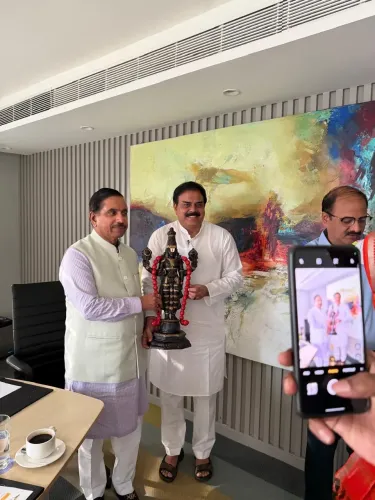
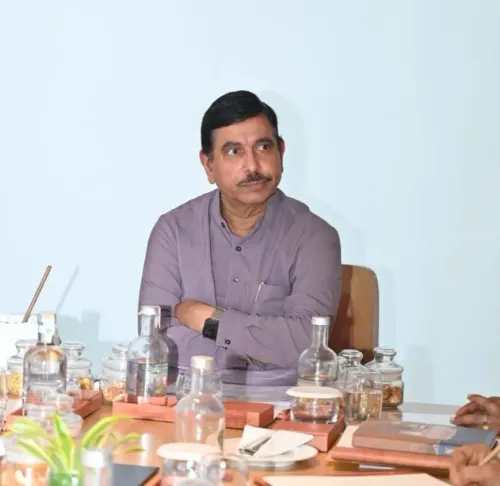
Pralhad Joshi Reviews Wheat Storage SOP in Madhya Pradesh
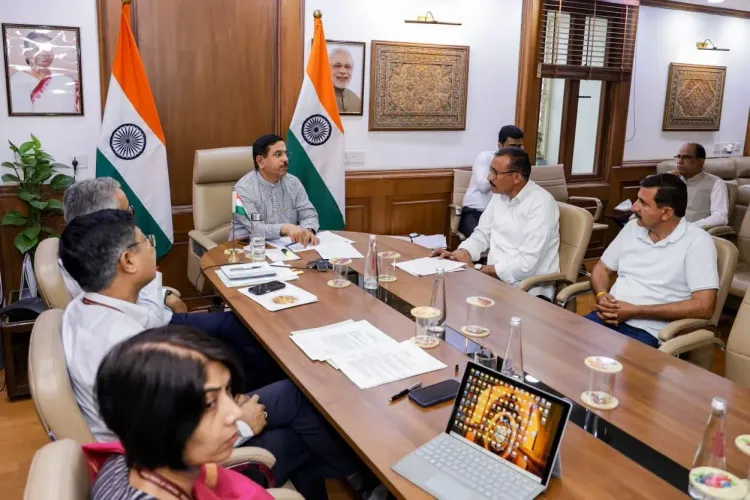
Synopsis
Union Consumer Affairs Minister Pralhad Joshi reviewed wheat storage SOP implementation in Madhya Pradesh with FCI and state officials on 26 May 2026, directing FCI to follow the procedure strictly to improve ease of doing business for private godown owners.
Key Takeaways
Union Minister Pralhad Joshi chaired a review of the wheat storage loss/gain SOP in Madhya Pradesh on 26 May 2026 .
The meeting included officials from the Department of Food and Public Distribution and the Madhya Pradesh state government .
FCI was directed to implement the SOP 'in letter and spirit' — not merely in form.
The directive specifically aims to improve ease of doing business for private godown owners empanelled with FCI.
Madhya Pradesh is a major wheat-procuring state, making standardised storage accounting critical to national food security logistics.
The move aligns with the central government's broader push to reduce foodgrain wastage and expand private warehousing participation.
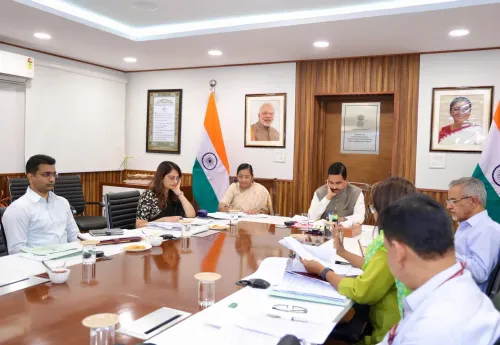
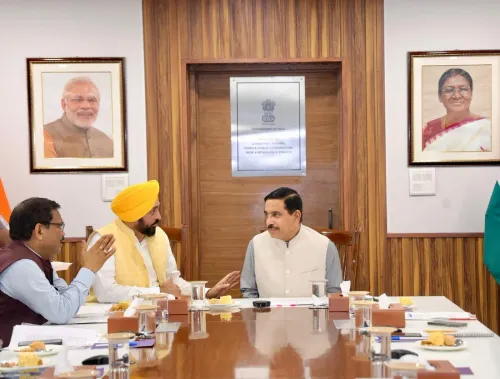
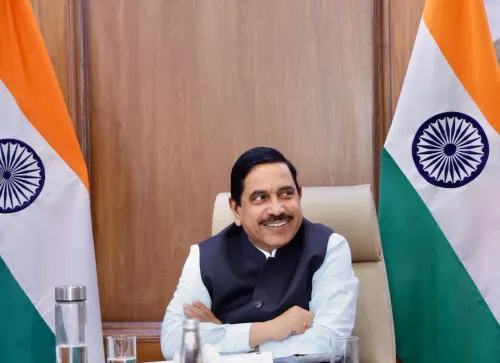
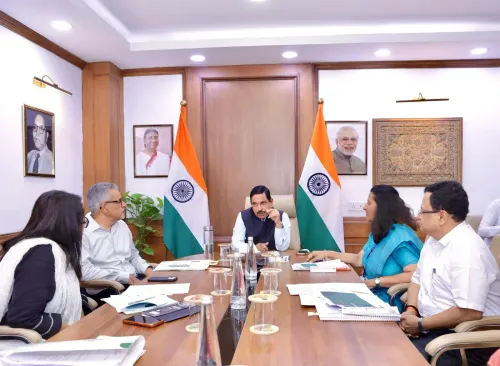
Union Consumer Affairs Minister Pralhad Joshi on Tuesday, 26 May 2026 reviewed the implementation of the Standard Operating Procedure (SOP) for storage loss and gain of wheat in Madhya Pradesh with officials of the Department of Food and Public Distribution and the state government. The minister directed the Food Corporation of India (FCI) to implement the SOP 'in letter and spirit' to improve ease of doing business for private godown owners.
Context
The review meeting brought together central and state officials to assess how the SOP governing the accounting of wheat storage losses and gains is being followed across Madhya Pradesh's extensive network of state and private storage facilities. Joshi's directive to FCI underscored the government's intent to ensure that the procedural framework translates into actual practice on the ground, not merely on paper.
Madhya Pradesh is one of India's largest wheat-procuring states, contributing substantially to the central pool managed by FCI. The scale of procurement in the state makes standardised storage accounting particularly consequential for national food security logistics.
Policy Backdrop
The Food Corporation of India, established in 1965, is the central agency responsible for procuring, storing, and distributing foodgrains under the Public Distribution System. The National Food Security Act, 2013 reinforced the mandate for efficient storage and distribution mechanisms, with an explicit focus on minimising transit and storage losses across the supply chain.
The central government has consistently pushed for standardisation of storage operations and loss-accounting protocols to strengthen accountability at both FCI-managed facilities and state godowns. The current SOP review fits into a broader pattern of administrative tightening aimed at reducing grain wastage while simultaneously expanding the role of private warehousing in the foodgrain supply chain.
Stakeholders and Impact
Private godown owners in Madhya Pradesh stand to benefit directly from a clearly implemented SOP, as transparent and uniform loss-and-gain accounting reduces disputes with FCI over storage differentials and streamlines compliance requirements. For wheat farmers in the state, better-managed storage infrastructure means lower post-harvest losses and a more reliable procurement ecosystem.
The Department of Food and Public Distribution's involvement alongside FCI signals a coordinated approach between the policy-setting arm of the ministry and its operational agency — a coordination that has historically been a weak link in foodgrain management. Standardised procedures also reduce the scope for discretionary interpretation at the godown level, which has been a source of friction for private warehouse operators seeking empanelment with FCI.
What's Next
The key question is whether the SOP reviewed for Madhya Pradesh will be rolled out in a standardised form across other major wheat-procuring states, including Punjab, Haryana, and Uttar Pradesh. FCI circulars on revised storage norms or updated godown empanelment criteria would be the clearest signal of systemic implementation.
If the ease-of-doing-business directive translates into measurable reductions in storage loss percentages and faster settlement of accounts with private godown operators, it could serve as a template for reforming storage management across the broader public foodgrain supply chain.
Point of View
Broadening the political appeal of what is otherwise a technical directive. Madhya Pradesh's selection as the review site is strategically logical given its high procurement volumes, but it also sets a benchmark that other states will be expected to match. If FCI follows through with measurable SOP adherence, it could meaningfully reduce the storage loss disputes that have long burdened private warehouse operators in the central pool system.
NationPress
9 Oct 2026
Frequently Asked Questions
What is the SOP for wheat storage loss and gain in India?
The Standard Operating Procedure (SOP) for wheat storage loss and gain is a set of guidelines issued to standardise how storage losses and gains are measured, recorded, and accounted for at FCI and state government godowns, reducing disputes and improving accountability in the foodgrain supply chain.
Why did Pralhad Joshi review wheat storage in Madhya Pradesh?
Madhya Pradesh is one of India's largest wheat-procuring states and contributes heavily to the central pool managed by FCI, making it a priority location for reviewing storage management practices and SOP compliance.
What is FCI's role in wheat storage?
The Food Corporation of India (FCI), established in 1965, is the central agency responsible for procuring, storing, and distributing foodgrains across India under the Public Distribution System, managing a vast network of owned and hired godowns.
How does the wheat storage SOP help private godown owners?
A clearly implemented SOP provides uniform and transparent rules for accounting storage losses and gains, reducing discretionary interpretations and disputes between FCI and private godown operators, thereby easing compliance and improving business predictability.
Which states are major wheat procurers for India's central pool?
Madhya Pradesh, Punjab, Haryana, and Uttar Pradesh are among the largest contributors of wheat to India's central pool managed by FCI for distribution under the Public Distribution System.