Joshi Launches AI-Powered Smart Warehousing for FCI, CWC
Synopsis
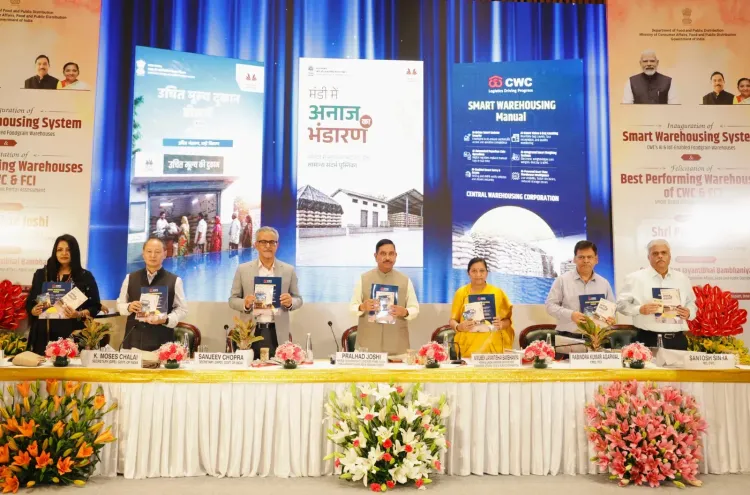
Union Consumer Affairs Minister Pralhad Joshi on June 18, 2026 inaugurated the Smart Warehousing System — an AI- and IoT-driven platform for FCI and CWC depots — positioning it as a landmark step in India's food security modernisation under the Digital India and Viksit Bharat 2047 frameworks.
Key Takeaways
Union Consumer Affairs Minister Pralhad Joshi inaugurated the Smart Warehousing System on June 18, 2026 .
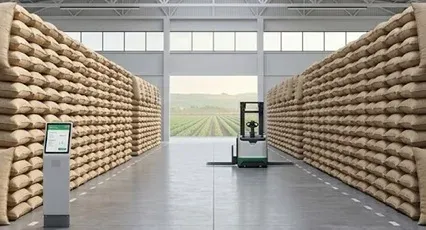
The system uses Artificial Intelligence and IoT for automated gate operations, smart surveillance, and real-time environmental monitoring.
Best-performing warehouses of FCI and CWC were felicitated at the event.
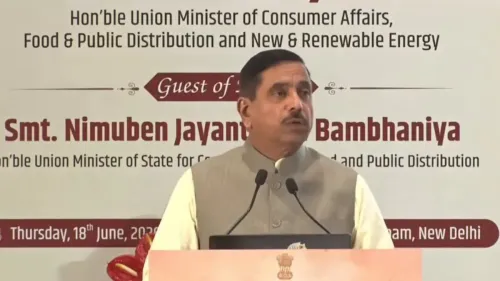
Minister of State Nimu Bambhaniya was also present at the inauguration.
The rollout is framed under PM Modi's Digital India programme and the Viksit Bharat 2047 vision.
Phased expansion to additional FCI and CWC depots is planned going forward.
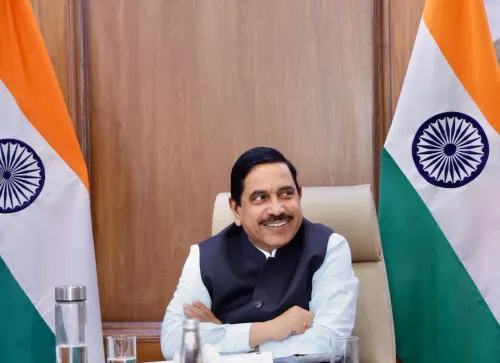
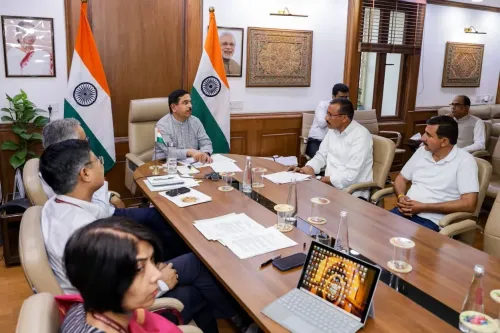
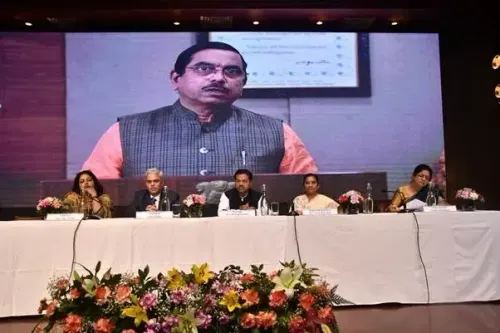
Union Consumer Affairs Minister Pralhad Joshi on Thursday, June 18, 2026, inaugurated the Smart Warehousing System and felicitated the best-performing warehouses of the Central Warehousing Corporation (CWC) and the Food Corporation of India (FCI), marking what the government describes as a historic shift in India's food storage infrastructure.
Context
At the inauguration, Minister Joshi said the system 'marks a historic transformation in India's food storage ecosystem,' powered by Artificial Intelligence (AI) and the Internet of Things (IoT). The platform enables automated gate operations, smart surveillance, real-time environmental monitoring, and scientific storage practices designed to protect foodgrains from pests, moisture, and related risks. Minister of State for Consumer Affairs, Food and Public Distribution Nimu Bambhaniya was also present at the event.
The minister framed the initiative within Prime Minister Narendra Modi's Digital India vision, describing the smart warehousing rollout as a direct expression of that programme's goals applied to the food storage sector. He reaffirmed the government's commitment to strengthening food security infrastructure as part of the broader #ViksitBharat2047 roadmap.
Policy Backdrop
The Digital India programme, launched in July 2015, set in motion a series of technology-integration efforts across government departments, including agriculture and food storage. The computerisation of FCI depot operations and online management systems was progressively rolled out from 2014 onwards to improve transparency and reduce leakages in grain management.
The Smart Warehousing System represents the latest step in this trajectory, bringing AI and IoT capabilities to physical storage infrastructure. The Central Warehousing Corporation, a public sector enterprise under the Ministry of Consumer Affairs, and the Food Corporation of India, established in 1965 to anchor the Targeted Public Distribution System, are the two primary institutional pillars through which the new system is being deployed.
Stakeholders and Impact
The primary beneficiaries of improved warehousing infrastructure are PDS beneficiaries — hundreds of millions of households that depend on the public distribution network for subsidised foodgrains. Reduced storage losses translate directly into greater availability of grain in the supply chain, lowering the risk of diversion and spoilage before food reaches end consumers.
Foodgrain farmers stand to benefit indirectly: a more efficient and transparent procurement and storage system reduces post-harvest losses and supports more reliable price support mechanisms. Warehouse operators at FCI and CWC depots will be required to adapt to automated and sensor-driven workflows, a significant operational shift from legacy manual processes.
What's Next
The government's stated intent is a phased rollout of the smart systems to additional FCI and CWC depots across the country. Parliamentary committee reviews and Comptroller and Auditor General audits in coming years are expected to provide the first independent assessments of whether the technology upgrade translates into measurable reductions in storage losses.
As India moves toward the Viksit Bharat 2047 target, the integration of AI and IoT into food storage infrastructure signals a broader administrative intent: to use technology not merely for governance efficiency but as a structural pillar of national food security.
Point of View
Moving from basic computerisation of FCI depots post-2014 to sensor- and AI-driven physical infrastructure. By felicitating top-performing CWC and FCI warehouses alongside the launch, the ministry is using competitive recognition as a policy tool to drive institutional buy-in from warehouse operators. The Viksit Bharat 2047 framing signals that food storage modernisation is now explicitly tethered to India's long-term development narrative, raising the political stakes for measurable outcomes. Independent audits of storage-loss data in the coming years will be the real test of whether the technology investment delivers on its food security promise.
NationPress
19 Sept 2026
Frequently Asked Questions
What is the Smart Warehousing System launched by Pralhad Joshi?
The Smart Warehousing System is an AI- and IoT-powered platform inaugurated on June 18, 2026, for FCI and CWC depots that enables automated gate operations, smart surveillance, real-time environmental monitoring, and scientific storage to protect foodgrains from pests and moisture.
What is FCI and why does its warehousing matter?
The Food Corporation of India (FCI) is a central public sector undertaking established in 1965 that procures, stores, and distributes foodgrains under the Targeted Public Distribution System, making the quality of its storage infrastructure directly relevant to food security for millions of households.
What is CWC in India?
The Central Warehousing Corporation (CWC) is a public sector enterprise under the Ministry of Consumer Affairs that builds and operates warehouses for agricultural and other commodities across India.
How does the Smart Warehousing System connect to Digital India?
The Smart Warehousing System is presented by the government as an application of PM Modi's Digital India programme — launched in July 2015 — to the food storage sector, extending the earlier computerisation of FCI depot operations into AI- and IoT-driven physical infrastructure.
What is Viksit Bharat 2047 and how does food storage fit into it?
Viksit Bharat 2047 is India's long-term vision to become a developed nation by the centenary of independence; the government frames modernised food security infrastructure, including smart warehousing, as a foundational element of achieving that goal.