Pralhad Joshi meets Kerala minister on PDS, food security
Synopsis
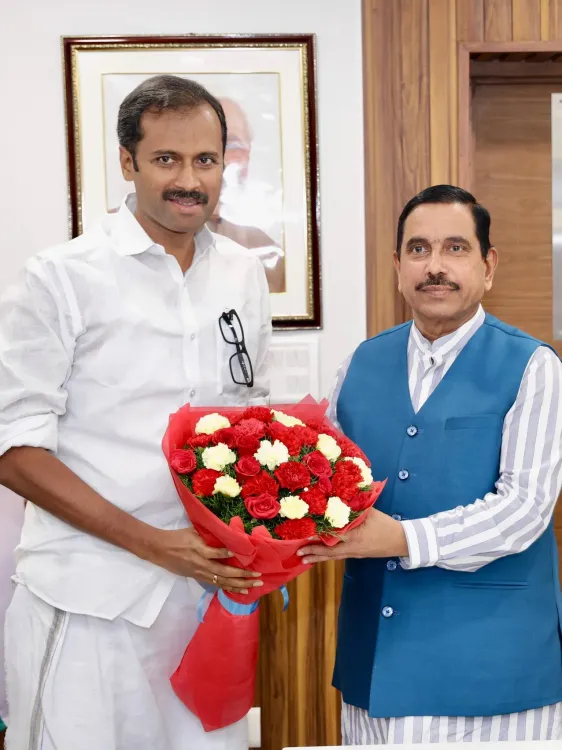
Union Consumer Affairs Minister Pralhad Joshi met Kerala's Food and Civil Supplies Minister Anoop Jacob on July 8, 2026, to discuss PDS strengthening, paddy procurement, and consumer protection. Joshi urged Kerala to adopt the Centre's beneficiary targeting methodology used by other states to ensure subsidised food reaches only eligible households.
Key Takeaways
Pralhad Joshi met Kerala's Food Minister Anoop Jacob on July 8, 2026 to discuss food security and PDS issues.
Key agenda items included paddy procurement , consumer protection, and legal metrology in Kerala.
Joshi urged Kerala to adopt the rightful beneficiary targeting methodology already followed by other states under the National Food Security Act .
The minister assured that issues raised will be examined within the existing policy framework , signalling a formal response is forthcoming.
The meeting is part of a broader Centre-state effort to reduce PDS leakages through standardised eligibility and Aadhaar-based identification.
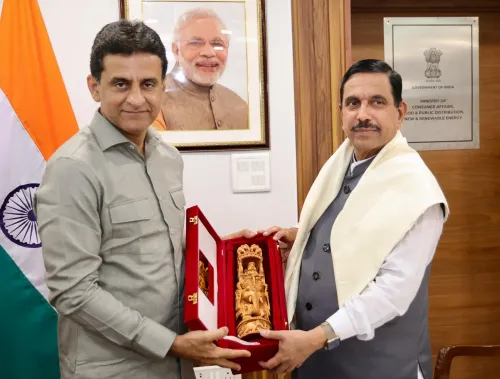
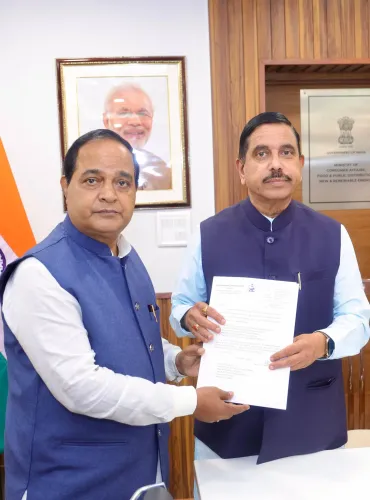
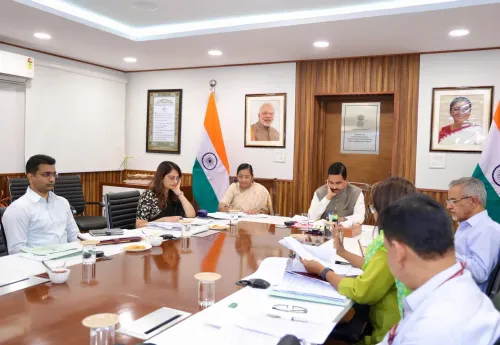
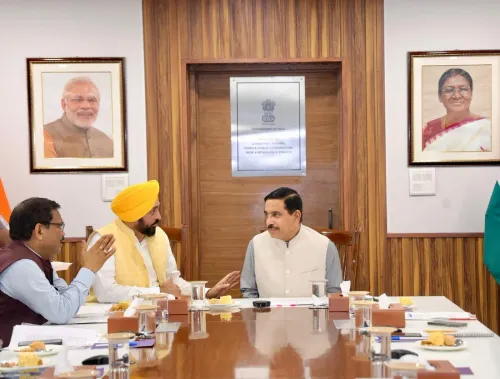
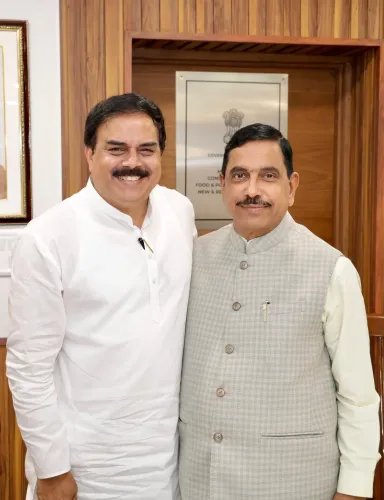
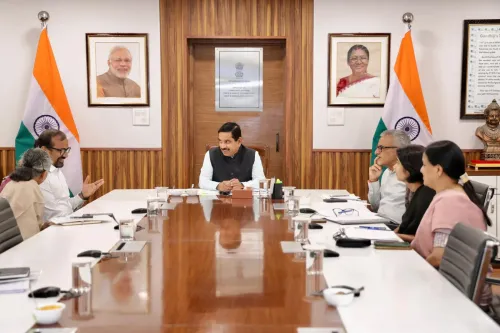
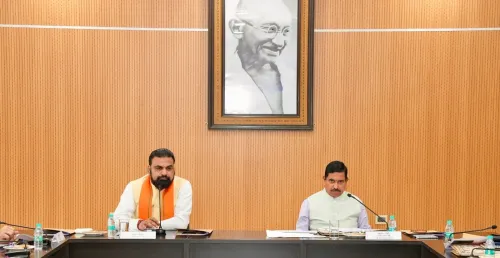
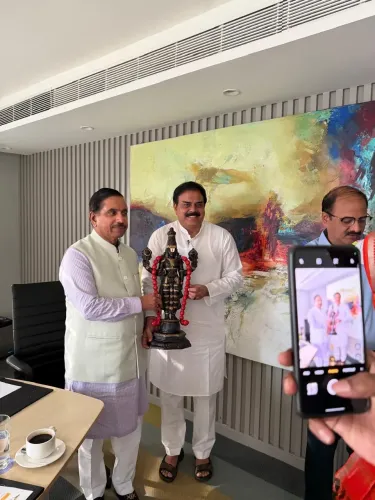
Union Consumer Affairs Minister Pralhad Joshi met Kerala's Minister for Food and Civil Supplies, Anoop Jacob, on Wednesday, July 8, 2026, to discuss food security, the Public Distribution System, consumer affairs, and legal metrology concerns specific to the state.
Context
The meeting covered a broad agenda including paddy procurement, measures to strengthen the Public Distribution System (PDS), and consumer protection frameworks. Joshi urged the Kerala government to adopt what he described as the 'rightful beneficiary targeting methodology' already followed by other states, aimed at ensuring food support reaches only genuine and eligible beneficiaries. He also assured Jacob that the issues raised would be examined within the existing policy framework.
Policy Backdrop
The National Food Security Act, 2013 provides statutory entitlements for subsidised food grains to Priority Household and Antyodaya beneficiaries across the country. Since 2014, successive Union governments have pushed states to digitise ration cards and adopt Aadhaar-based targeting to eliminate duplicate and ineligible entries from PDS rolls. Kerala maintains its own civil supplies infrastructure and procurement arrangements, which have periodically been a subject of Centre-state discussion on harmonising eligibility norms.
Bilateral meetings between the Union food ministry and state-level counterparts have historically served as the primary channel through which the Centre communicates expectations on beneficiary identification, procurement norms, and leakage reduction. The push for uniform exclusion criteria across states is part of a longer effort to reduce systemic inefficiencies in subsidised grain distribution.
Stakeholders and Impact
PDS beneficiaries in Kerala — numbering in the lakhs — are the most directly affected constituency. Any revision to beneficiary lists based on the Centre's preferred targeting methodology could alter the number of households receiving subsidised grains under the Act. State civil supplies departments, ration dealers, and paddy farmers linked to state procurement chains also have a stake in how these discussions translate into policy directives.
On legal metrology — the regulation of weights, measures, and packaged commodity standards — the meeting signals that Kerala also sought clarity on enforcement and compliance matters, an area that affects both consumers and traders across the state.
What's Next
Joshi's assurance that issues raised will be 'examined in accordance with the existing policy framework' suggests a formal response from the Union Ministry of Consumer Affairs, Food and Public Distribution is likely to follow. Observers will watch for any formal communication on revised beneficiary identification norms or changes to Kerala's paddy procurement arrangements. The matter may also surface in the next parliamentary session if opposition members press the Centre on state-specific food security concerns.
The meeting underscores a continuing Centre-state negotiation over who qualifies for subsidised food — a question with both fiscal and political consequences as the government seeks to tighten targeting without excluding genuinely vulnerable households.
Point of View
Exclusion-criteria-driven PDS targeting. Joshi's public reference to 'rightful beneficiary targeting methodology followed by other states' is a calibrated signal: it frames Kerala's current approach as an outlier without a direct confrontation. The emphasis on paddy procurement alongside beneficiary lists also touches a politically sensitive nerve in a state where farmer-government relationships around rice procurement carry electoral weight. How Kerala responds — whether it treats the meeting as a cooperative exchange or a Centre-imposed pressure point — will shape the next phase of this ongoing Centre-state negotiation over food subsidy architecture.
NationPress
7 Oct 2026
Frequently Asked Questions
Why did Kerala's food minister meet Union Minister Pralhad Joshi?
Kerala's Minister for Food and Civil Supplies, Anoop Jacob, met Union Consumer Affairs Minister Pralhad Joshi on July 8, 2026, to discuss issues related to food security, the Public Distribution System, paddy procurement, consumer affairs, and legal metrology in Kerala.
What is the beneficiary targeting methodology Joshi urged Kerala to adopt?
Joshi urged Kerala to follow the beneficiary identification approach used by most other states under the National Food Security Act, which typically involves Aadhaar-linked ration cards and standardised exclusion criteria to ensure subsidised food reaches only genuinely eligible households.
What is the Public Distribution System and why does targeting matter?
The Public Distribution System is a nationwide network supplying subsidised food grains to eligible households under the National Food Security Act, 2013. Accurate targeting matters because it determines which families receive subsidised grains and helps reduce leakages caused by duplicate or ineligible entries.
What happens to Kerala's paddy procurement after this meeting?
No immediate changes were announced. Joshi assured that issues raised — including paddy procurement — will be examined within the existing policy framework, suggesting a formal response from the Union Ministry is expected in the coming weeks.
What is legal metrology and why was it discussed with Kerala?
Legal metrology covers the regulation of weights, measures, and packaged commodity standards to protect consumers and ensure fair trade. Its inclusion in the meeting agenda indicates Kerala sought clarity on enforcement and compliance norms applicable to traders and manufacturers in the state.