Karachi water crisis: JI protests outside KMC, warns of strike
Synopsis
Karachi's water crisis has spilled onto the streets — literally. With a daily shortfall exceeding 600 MGD and tanker prices reportedly jumping fivefold, JI has moved from assembly speeches to road blockades outside the KMC building, threatening a city-wide strike. A month after MQM-P lawmakers protested in the Sindh Assembly, the political pressure on the PPP provincial government is compounding fast.
Key Takeaways
Jamaat-i-Islami (JI) staged protests at multiple locations in Karachi on 6 June , centred outside the KMC building on M.A.
Karachi faces a water shortfall of more than 600 MGD against a daily demand of 1,250 MGD .
Private water tanker prices have reportedly risen from Pakistani Rs 2,000 to Rs 10,000–15,000 .
JI acting chief Saifuddin accused the PPP government of neglecting the city and warned of sit-ins and a strike if the crisis persists.
Protesters demanded early completion of the K-IV water supply project and action against water theft.
Last month, MQM-P lawmakers held a similar protest in the Sindh Assembly ahead of Eidul Azha.
Jamaat-i-Islami (JI) staged protests at multiple locations across Karachi on Friday, 6 June, demanding urgent government action on the city's deepening water crisis, with party leaders warning of sit-ins and a strike if authorities failed to act. The central demonstration was held outside the Karachi Metropolitan Corporation (KMC) building on M.A. Jinnah Road, where the mayor's office — which also chairs the Karachi Water and Sewerage Corporation (KWSC) — is located.
Protests Paralyse Key Arteries
Elected JI local government representatives led the demonstration outside the KMC building, causing major traffic disruptions in the surrounding area. Thousands of vehicles were reportedly caught in a two-hour gridlock on Korangi Road, with snarls extending across several other parts of the city. Protesters carrying placards and banners raised slogans against persistent water shortages, the tanker mafia, and what they described as the provincial government's 'visionless leadership'.
The Scale of Karachi's Water Shortfall
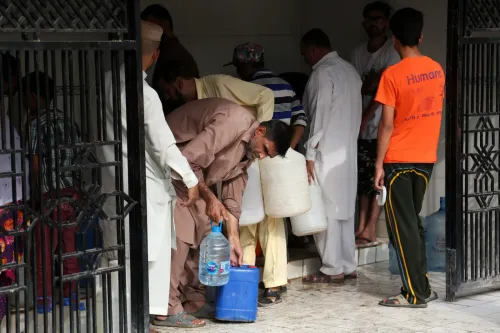
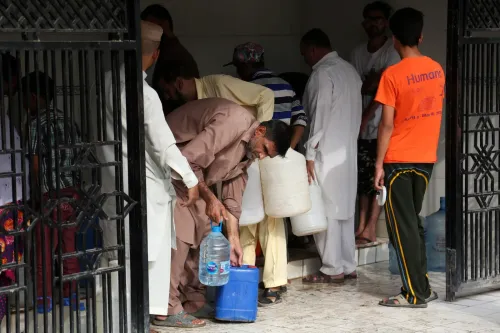
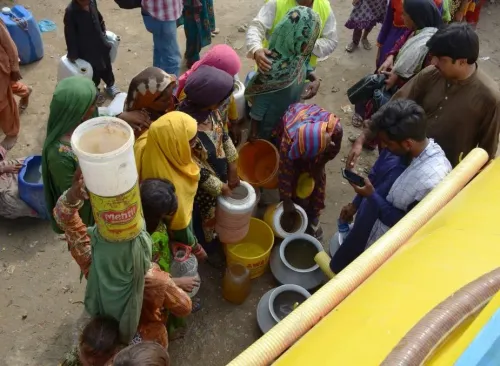
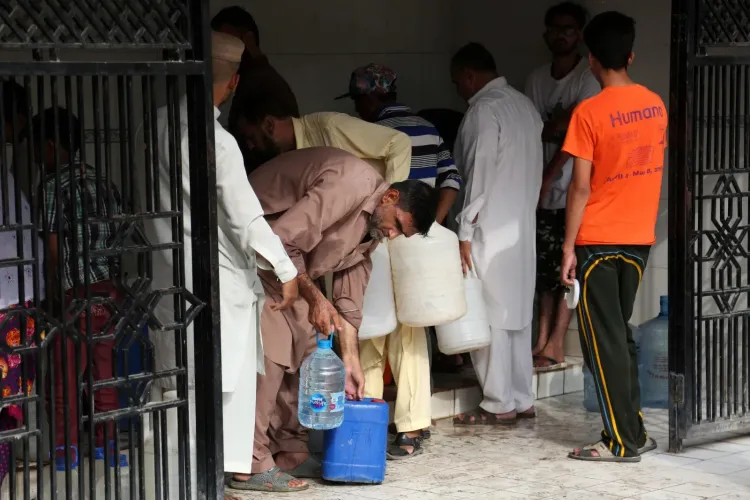
Karachi is currently grappling with a water shortfall of more than 600 million gallons per day (MGD) against a daily demand of 1,250 MGD, according to reports. The deficit has forced large sections of the city's population to depend on irregular municipal supply or expensive private water tankers. Protesters alleged that tanker prices have surged from Pakistani Rs 2,000 to between Rs 10,000 and Rs 15,000 — a five-to-sevenfold increase — as private operators exploit the shortage.
What JI Leaders Said
Saifuddin, JI Karachi's acting chief and opposition leader in the KMC, accused the Pakistan Peoples Party (PPP) government and the city mayor of lacking both the ability and the will to resolve Karachi's civic problems. He alleged that the city has been systematically neglected despite being Pakistan's economic hub. 'Citizens are begging for every drop of water while 70 to 80 per cent of the city faces acute shortages,' he was quoted as saying by the Pakistani daily Dawn. Saifuddin dismissed official claims that the crisis was under control, citing ongoing shortages in Surjani Town, Orangi, Lyari, New Karachi, Gulshan-i-Iqbal, Safoora, Nazimabad, and Murad Memon Goth. He also raised concerns over recurring technical breakdowns at Dhabeji Pumping Station, alleging that such faults repeatedly occurred ahead of Ramazan and Eid.
Opposition Demands and Earlier Protests
The JI demonstration follows a similar protest last month by Muttahida Qaumi Movement-Pakistan (MQM-P) lawmakers in the Sindh Assembly, who gathered in front of the podium demanding immediate restoration of water supply ahead of Eidul Azha and chanted 'Give water to Karachi'. Opposition Leader Ali Khurshidi said that Karachi 'was thirsty for every drop of water' while authorities watched like 'silent, senseless spectators', adding that he had personally tried to procure a water tanker for two days without success, according to reports. Both protests have centred on a shared demand: early completion of the K-IV water supply project and strict action against water theft.
What Comes Next
JI has warned it will escalate to sit-ins and a city-wide strike if the authorities do not resolve what it called an 'artificial water crisis'. With summer temperatures rising and two major political parties now publicly pressing the Sindh government, pressure on the provincial administration is likely to intensify in the days ahead.
Point of View
JI and MQM-P, have taken to streets and assembly floors within weeks of each other signals that the PPP-led Sindh government is losing the narrative on the city's most basic infrastructure failure. The K-IV project has been delayed for years; the Dhabeji Pumping Station breakdowns are reportedly cyclical. What is missing is not awareness but accountability — and with summer peak demand still ahead, the window for the provincial government to act before the crisis becomes ungovernable is narrowing rapidly.
NationPress
21 Oct 2026
Frequently Asked Questions
Why are protests erupting in Karachi over the water crisis?
Karachi faces a daily water shortfall of more than 600 MGD against a demand of 1,250 MGD, forcing residents to rely on expensive private tankers. JI staged demonstrations on 6 June outside the KMC building, blaming the PPP provincial government and the city mayor for failing to address the shortage.
What is the K-IV water supply project and why does it matter?
The K-IV project is a large-scale water supply scheme intended to significantly augment Karachi's water availability. Protesters have demanded its early completion, arguing that delays have directly worsened the city's chronic shortfall.
How much have water tanker prices risen in Karachi?
According to JI leader Saifuddin, water tanker prices have surged from Pakistani Rs 2,000 to between Rs 10,000 and Rs 15,000 — a fivefold increase — as private operators exploit the acute shortage.
What action has JI threatened if the crisis is not resolved?
JI has warned it will escalate its agitation to sit-ins and a city-wide strike if the authorities do not resolve what the party calls an 'artificial water crisis'. The party's elected local government representatives led Friday's demonstration.
Has any other political party protested the Karachi water shortage?
Yes. Last month, MQM-P lawmakers staged a protest inside the Sindh Assembly, chanting 'Give water to Karachi' and demanding immediate restoration of supply ahead of Eidul Azha. Opposition Leader Ali Khurshidi said he personally failed to procure a water tanker for two days.