Karachi water crisis: Power failures cut 85 MGD supply for third straight day
Synopsis
Karachi has now gone three consecutive days without reliable water supply, with K-Electric cable faults knocking out pumping stations one after another and a daily shortfall of 85 MGD. With tanker prices doubled and the long-promised K-IV project still unfinished, Pakistan's largest city is running dry in the middle of summer — and the political blame game is already under way.
Key Takeaways
Karachi 's water supply remained disrupted for a third consecutive day as of 2 June 2025 .
Power failures at key pumping stations have created a daily shortfall of 85 million gallons per day (MGD) , according to the KWSC .
The crisis began on 30 May when a forced K-Electric shutdown at Dhabeji Grid knocked out 10 of 21 pumping units .
Residents are waiting 7–10 days for water tankers, with prices having doubled .
MQM-P lawmakers protested in the Sindh Assembly ; Opposition Leader Ali Khurshidi said the city was 'thirsty for every drop of water.' The long-term K-IV pipeline project remains under construction with no confirmed completion date.
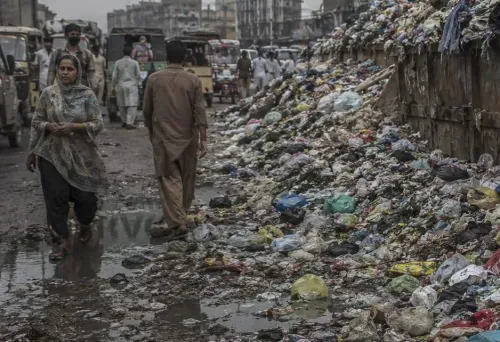
Karachi's deepening water crisis stretched into a third consecutive day on Tuesday, 2 June, as cascading power failures at key pumping stations kept taps dry across large parts of Pakistan's largest city. A fault in K-Electric's (KE) main supply cable has been the latest trigger, according to local media reports, compounding a shortage that has gripped the metropolis for over two months.
Scale of the Shortfall
The Karachi Water and Sewerage Corporation (KWSC) said the power disruptions have caused a daily water shortfall of 85 million gallons per day (MGD), according to Pakistan's Dawn. The figure underscores how heavily the city's water infrastructure depends on a reliable electricity supply — a dependency that has repeatedly exposed residents to acute shortages.
How the Crisis Unfolded
The current chain of failures began on 30 May, when K-Electric conducted a forced shutdown at the Dhabeji Grid to repair a major transformer fault. The shutdown knocked out 10 of the 21 pumping units at the Dhabeji Pumping Station, immediately suspending supply to several city areas — and this happened during the three days of Eid al-Adha, when demand for water is typically elevated.
The crisis deepened on Saturday when the North East Karachi (NEK) Water Pumping Station suffered a power outage due to a fault in KE's main cable, disrupting operations at the K-II Pumping Station. By Monday, the same cable fault had cut power to the Hub Pumping Station, extending disruptions across yet more localities.
Impact on Residents
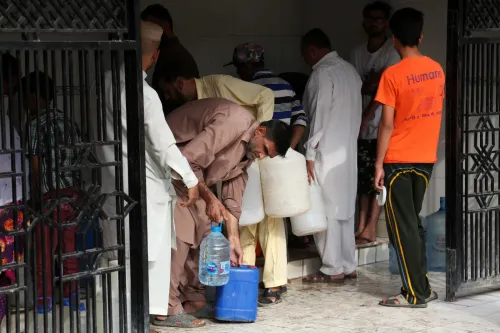
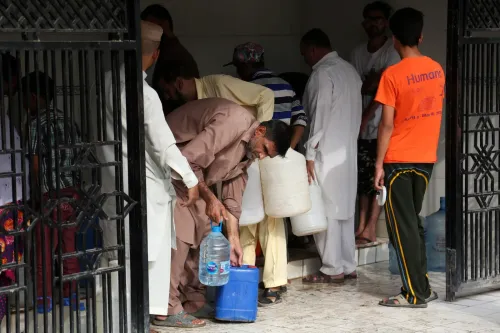
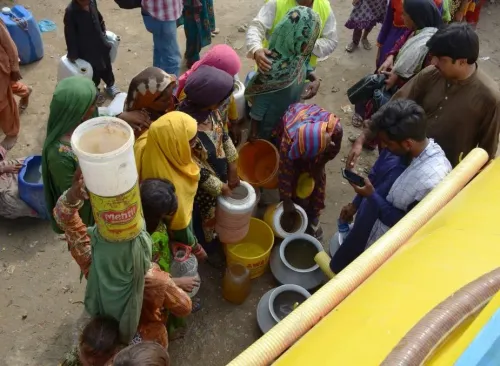
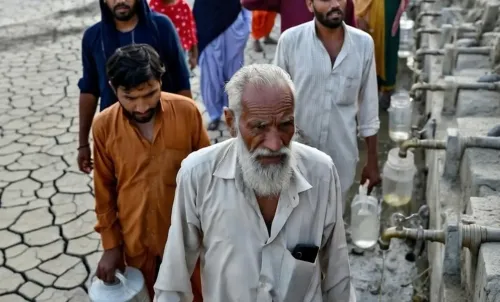
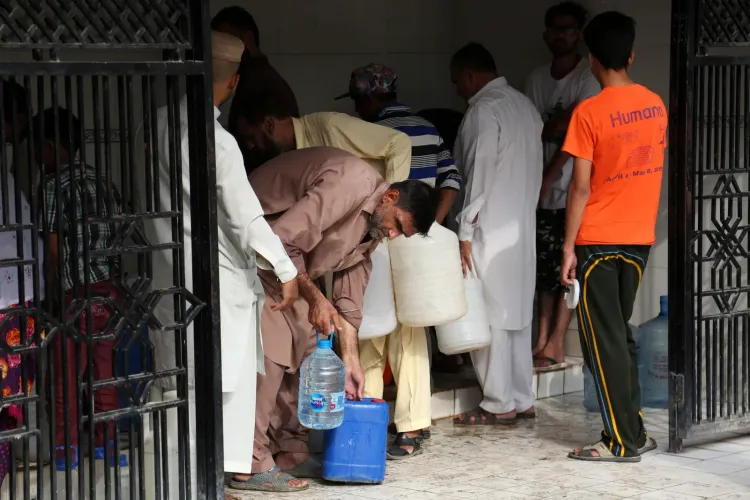
With piped supply unavailable for weeks in many neighbourhoods — and for more than two months in others — residents have been forced to rely on private water tankers. Demand has far outstripped supply: most households reportedly wait seven to ten days for a tanker, and prices have doubled, putting access out of reach for many. The hardship is compounded by scorching summer temperatures.
Political Pressure Mounts
Muttahida Qaumi Movement-Pakistan (MQM-P) lawmakers staged a protest inside the Sindh Assembly earlier in May, gathering in front of the podium and chanting 'Give water to Karachi,' according to Dawn. Opposition Leader Ali Khurshidi said Karachi 'was thirsty for every drop of water' while authorities watched like 'silent, senseless spectators.' Khurshidi added that he personally tried to arrange a tanker for two days without success.
In response, Sindh's Law and Parliamentary Affairs Minister Ziaul Hassan Lanjar pointed to the ongoing K-IV project as a long-term solution, and said the MQM-P, being part of the federal government, should press the Centre to expedite its completion.
What Comes Next
With no confirmed timeline for the full restoration of K-Electric's cable fault, and summer heat intensifying, Karachi's water emergency shows little sign of immediate relief. The K-IV pipeline project — long positioned as the structural fix — remains under construction, leaving millions dependent on a fragile, power-contingent supply chain for the foreseeable future.
Point of View
Yet the K-IV project, meant to address supply at its root, remains perpetually 'underway.' The political response — MQM-P shouting slogans in the Sindh Assembly while pointing fingers at the federal government, and the Sindh minister pointing back — illustrates why the problem persists. Karachi's 20 million residents are caught between two tiers of government that have turned a civic emergency into a jurisdictional argument.
NationPress
16 Oct 2026
Frequently Asked Questions
Why is Karachi facing a water crisis?
Karachi's water supply has been disrupted for over two months due to a combination of power failures at key pumping stations and an underlying infrastructure deficit. The immediate trigger is a fault in K-Electric's main supply cable, which has knocked out multiple pumping stations, creating a daily shortfall of 85 MGD.
How long has the water supply been disrupted in Karachi?
As of 2 June, water supply has been disrupted for at least three consecutive days in the latest episode, but many localities have faced shortages for over two months. The current chain of failures began on 30 May when K-Electric shut down the Dhabeji Grid for transformer repairs.
What is the K-IV project and will it solve the crisis?
The K-IV project is a large water supply pipeline under construction in Karachi, intended to significantly increase the city's water capacity. Sindh's Law and Parliamentary Affairs Minister Ziaul Hassan Lanjar cited it as the long-term solution, but no completion date has been confirmed, offering no immediate relief.
How are Karachi residents coping with the water shortage?
Residents have turned to private water tankers, but demand has far outstripped supply. Most households wait seven to ten days for a tanker delivery, and tanker prices have doubled, putting them out of reach for many lower-income families.
What has been the political response to the Karachi water crisis?
MQM-P lawmakers staged a protest in the Sindh Assembly in May, chanting 'Give water to Karachi.' Opposition Leader Ali Khurshidi said authorities were acting as 'silent, senseless spectators.' Sindh Minister Ziaul Hassan Lanjar responded by pointing to the K-IV project and urging MQM-P, as part of the federal government, to push for its faster completion.