Is There a Big Relief for Kashmir Apple Growers with Daily Parcel Train to Delhi?

Synopsis
The introduction of a daily parcel train from Budgam to Delhi marks a significant milestone for Kashmir's apple growers. This initiative is set to enhance the transportation of their produce, mitigating losses and boosting the local economy. Read on to discover how this development impacts the horticulture sector in Kashmir.
Key Takeaways
Daily parcel train service from Budgam to Delhi begins on September 13, 2025.
This initiative aims to support apple growers in the Kashmir Valley.
Enhanced transport options may prevent crop losses and boost the local economy.
Horticulture is a key industry in Kashmir, surpassing tourism.
The sector has the potential to evolve into a ₹40,000 crore industry with improved infrastructure.
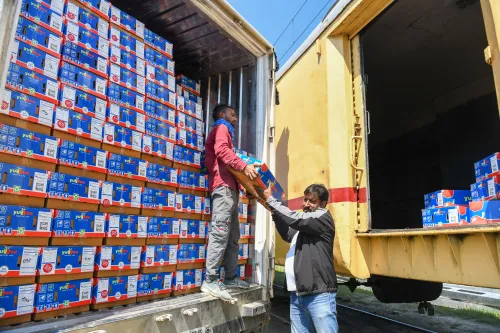
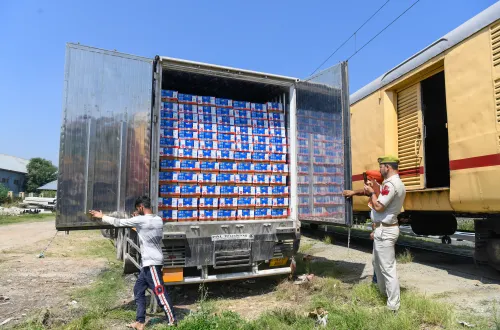
Srinagar, Sep 11 (NationPress) In a significant boost for apple cultivators, Union Railway Minister Ashwini Vaishnaw declared on Thursday that a new parcel train service will commence from Budgam in Kashmir to the Adarsh Nagar railway station in Delhi. The Railway Minister shared on X, "Empowering the apple growers of Kashmir. With the operational Jammu-Srinagar line, the connectivity for the Kashmir valley is enhanced. A daily scheduled parcel train will start running from Badgam to Adarsh Nagar station in Delhi, effective September 13, 2025. Loading of two parcel vans filled with apples from Badgam to Delhi begins today."
The apple farmers in the Valley have been grappling with severe challenges, including the risk of losing their current apple harvest due to the lack of transportation options to move their produce to markets outside the union territory.
This year's apple yield is nearly all ripe, with many farmers experiencing losses due to landslides that have blocked the Srinagar-Jammu national highway for extended periods recently.
There have been reports of apples rotting in stationary trucks as they were unable to reach markets in Delhi and other parts of the country on time.
With the Union Railway Ministry stepping in to assist the apple growers, it is anticipated that further losses to the Valley's horticulture sector will be mitigated due to the availability of rail transport.
Interestingly, contrary to popular belief, it is horticulture and not tourism that serves as the principal industry in Kashmir.
The horticulture sector forms the backbone of Kashmir's economy, providing livelihoods for numerous families and playing a crucial role in the state's Gross State Domestic Product (GSDP).
This sector is marked by the cultivation of temperate fruits like apples, cherries, pears, and walnuts, along with aromatic plants and other temperate produce.
However, the sector faces hurdles, particularly in enhancing infrastructure and ensuring all-weather connectivity, which are deemed essential for its growth and the potential to evolve into a ₹40,000 crore industry.
Point of View
It is vital to recognize the significance of this railway initiative for Kashmir's economy. The horticulture sector has long been the unsung hero of the region, supporting many families. By enhancing transportation options, this move not only aids farmers but also strengthens the overall economic fabric of Kashmir, ensuring sustainability in the face of challenges.
NationPress
1 Oct 2026
Frequently Asked Questions
What is the new train service for apple growers?
The new train service is a daily parcel train running from Budgam in Kashmir to Adarsh Nagar in Delhi, starting September 13, aimed at facilitating the transportation of apples.
Why is this train service important for Kashmir's apple growers?
This service is crucial as it provides timely transport options for apple growers, helping prevent crop losses due to previous transportation issues.
How does horticulture impact Kashmir's economy?
Horticulture is the backbone of Kashmir's economy, providing livelihoods for many families and significantly contributing to the state's Gross State Domestic Product (GSDP).
What challenges does the horticulture industry in Kashmir face?
The industry faces challenges related to infrastructure development and the need for all-weather connectivity to enhance its growth potential.
What kind of fruits are primarily grown in Kashmir?
Kashmir primarily cultivates temperate fruits such as apples, cherries, pears, and walnuts, along with various aromatic plants.