Is an Intense Cold Wave Persisting in Kashmir Without Snowfall Forecast?
Synopsis
Kashmir is currently gripped by an ongoing severe cold wave, affecting the health of many residents. The Meteorological Department predicts no snowfall in the near future, exacerbating the situation. As winter approaches, the region braces for the harsh ‘Chillai Kalan’ period, highlighting the critical need for residents to stay warm and healthy.
Key Takeaways
Severe cold wave continues in Kashmir.
No snowfall forecast from MeT Department.
Health concerns grow among vulnerable populations. 'Chillai Kalan' period brings harsh winter conditions.
Residents advised to stay warm and healthy.
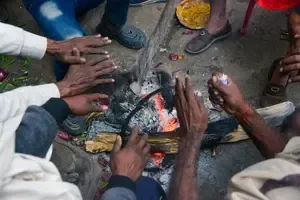
Srinagar, Dec 9 (NationPress) The severe cold wave in Kashmir continued on Tuesday, with the Meteorological (MeT) Department not predicting any snowfall for both the plains and the higher elevations.
Many residents, particularly children and the elderly, are facing health issues such as flu and respiratory ailments, which are escalating due to the extreme cold and dry conditions.
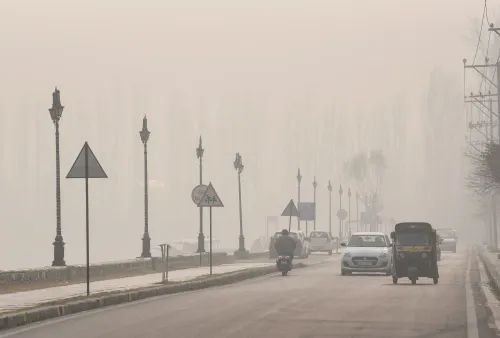
According to prominent local pulmonologist, Dr. Naveed Nazir Shah, the Air Quality Index (AQI) has worsened over the past two weeks due to a rise in suspended particulate matter (SPM).
Dr. Shah reported that the number of patients with chest-related complaints at various hospitals has more than doubled in the last 15 days.
With night temperatures consistently dropping below freezing across the Valley, the advisory from the MeT Department did not offer any hopeful predictions for at least the next 10 days.
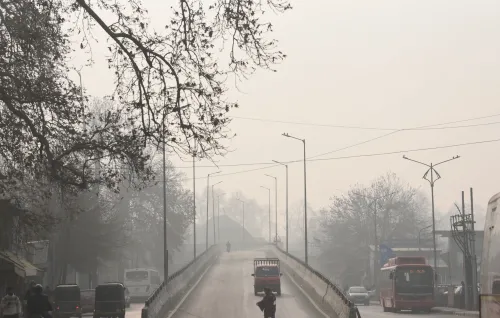
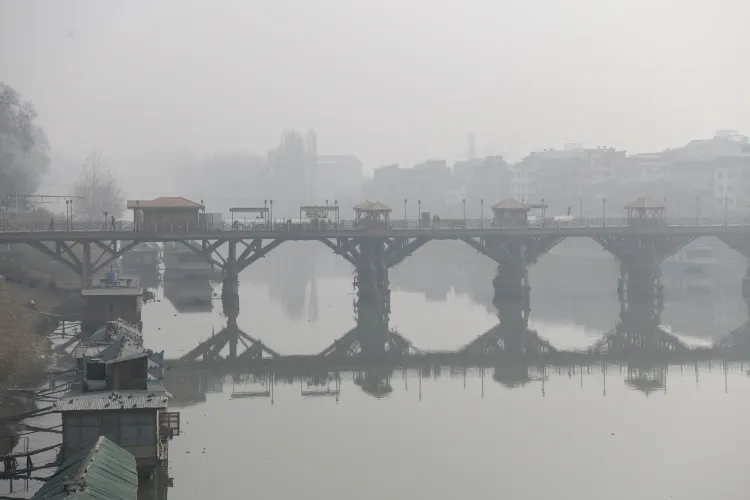
The advisory indicated that shallow to moderate fog would likely persist in several areas of the Kashmir division and in isolated locations of the Jammu division.
On December 9, the weather was forecast to be partly to generally cloudy, with continued cloudy conditions expected from December 10-12. From December 13-15, there might be a chance of very light snow in isolated higher reaches of North and Central Kashmir during late-night or early morning hours. From December 16-18, conditions are expected to remain partly cloudy, and from December 19-21, the weather will likely be partly to generally cloudy with a slim chance of light snow in isolated higher reaches,” the advisory detailed.
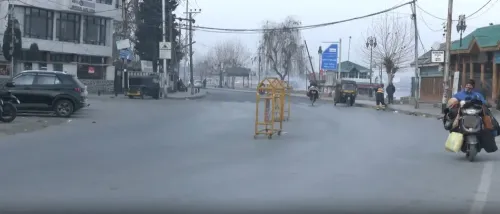
The cloudy skies in the mornings have not provided any respite for early risers, as locals bundled up in woollen mufflers hurried to purchase milk and bread for their morning tea in the city of Srinagar.
The 40-day period known as ‘Chillai Kalan’, characterized by severe winter conditions, begins annually on December 21 and concludes on January 30.
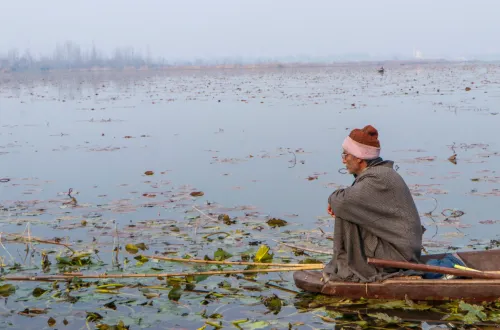
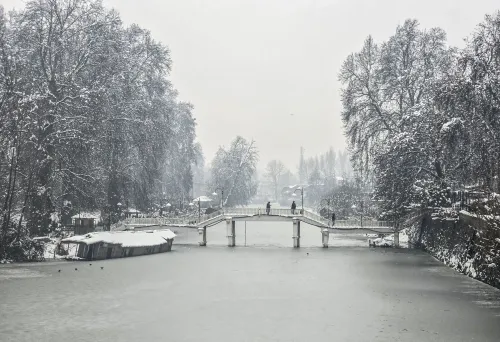
During this phase, many water bodies in the Valley may freeze either partially or entirely due to the narrowing temperature gap between minimum and maximum readings.
Typically, the night temperatures during Chillai Kalan can drop to -7 degrees Celsius, while daytime temperatures seldom exceed 7 degrees Celsius.
Point of View
It is vital to recognize the challenges that the residents of Kashmir face due to the ongoing cold wave. The health implications are serious, especially for vulnerable populations. The lack of snowfall raises concerns about the region's climate and living conditions. We will continue to provide updates and insights into this pressing situation.
NationPress
26 Sept 2026
Frequently Asked Questions
What is causing the cold wave in Kashmir?
The cold wave in Kashmir is attributed to continuing low temperatures and dry conditions, which are common during this time of year.
What are the health impacts of the cold wave?
The extreme cold is leading to an increase in flu and respiratory ailments among residents, particularly affecting children and the elderly.
Is there a forecast for snowfall?
The Meteorological Department has stated that there is no forecast for snowfall in the plains or higher reaches of Kashmir.
What is 'Chillai Kalan'?
'Chillai Kalan' is a 40-day period of intense winter in Kashmir that begins on December 21 and ends on January 30, marked by severe cold.
How are residents coping with the cold?
Residents are coping by bundling up in warm clothing and seeking essential supplies like milk and bread to manage the harsh conditions.