Delhi Court Clears Kejriwal and Sisodia in Liquor Policy Case
Synopsis
In a pivotal decision, a Delhi court has discharged Arvind Kejriwal and Manish Sisodia from charges related to the liquor policy scam, citing insufficient evidence. This ruling marks a significant moment in the ongoing investigation into alleged corruption.
Key Takeaways
Delhi court discharges Kejriwal and Sisodia from corruption charges.
Insufficient evidence cited for proceeding with the case.
The alleged scam involves the Delhi government's excise policy .
Central agencies alleged kickbacks to AAP leaders from liquor groups.
The Supreme Court granted bail in 2024.
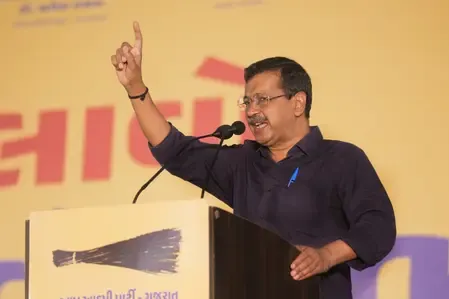
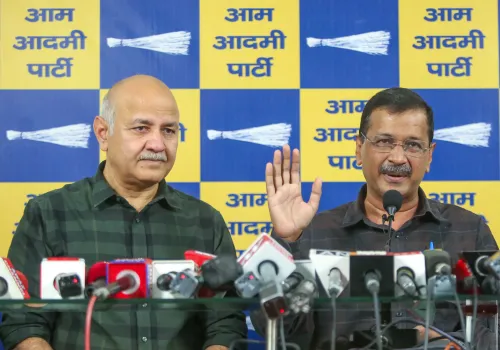
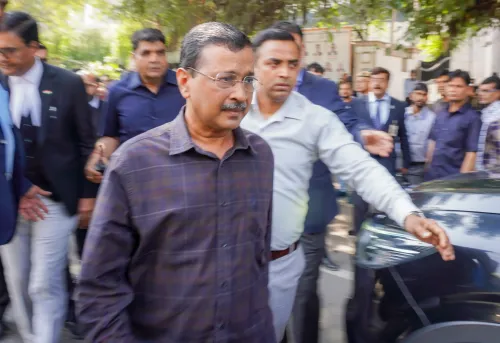
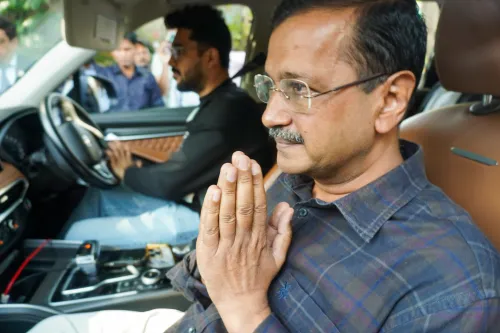
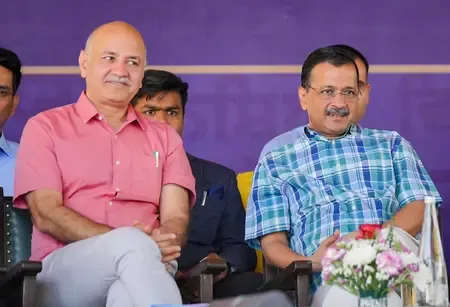
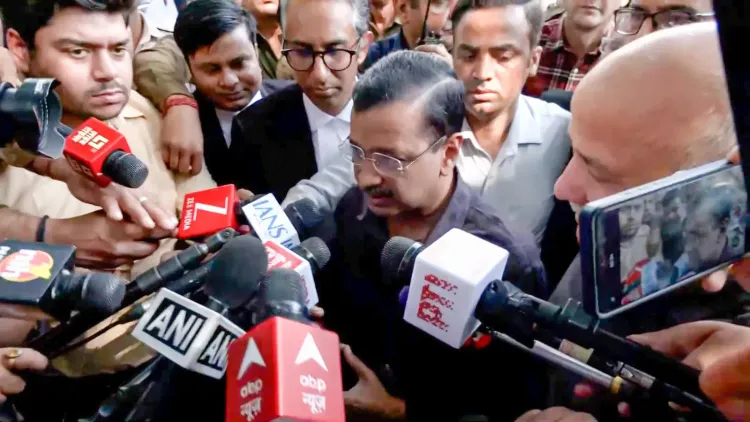
New Delhi, Feb 27 (NationPress) In a significant setback for the Central Bureau of Investigation (CBI), a Delhi court has declined to impose charges against former Delhi Chief Minister Arvind Kejriwal, Deputy CM Manish Sisodia, and others involved in the alleged corruption case surrounding the liquor policy scandal.
Granting the discharge plea, the Rouse Avenue Court asserted that there was insufficient evidence during the investigation to support any charges against the defendants and failed to show any commission of a criminal offense, including conspiracy.
Both Kejriwal and Sisodia were previously detained in connection with the liquor policy inquiry but were later granted bail by the Supreme Court in 2024.
This alleged scandal pertains to the Delhi government's excise policy for 2021–22, which was retracted following accusations of irregular licensing and pricing practices.
Central agencies have asserted that Aam Aadmi Party (AAP) leaders, including Kejriwal and Sisodia, received kickbacks from a group known as the 'South Group' in return for favorable policy decisions benefiting a select few liquor licensees.
Investigators have alleged that the improper application of the policy led to considerable financial losses for the public treasury and involved the manipulation of licensing norms and exemptions.
In September 2024, the Supreme Court granted Kejriwal bail in the CBI corruption case, mandating his full cooperation with trial proceedings and advising him to avoid public commentary regarding the case's merits.
Earlier, the apex court also provided interim relief in associated money laundering cases, highlighting the significance of the Right to Life and Personal Liberty as enshrined in Article 21 of the Constitution.
Meanwhile, Manish Sisodia was granted bail by the Supreme Court in August 2024 after spending nearly 17 months in custody, noting that the lengthy trial involving numerous witnesses and extensive documentation would likely extend further, which would infringe upon the right to a speedy trial.
Point of View
The recent court ruling underscores the complexities of political corruption cases in India. While the discharge of Kejriwal and Sisodia may signal a temporary reprieve, the broader implications for governance and accountability in public office remain at the forefront of public discourse.
NationPress
7 Sept 2026
Frequently Asked Questions
What were Kejriwal and Sisodia accused of?
They were accused of involvement in a corruption case related to the alleged liquor policy scam, which included accepting kickbacks from liquor licensees.
What did the Delhi court decide?
The Delhi court decided to discharge Kejriwal and Sisodia, stating that there was insufficient evidence to proceed with charges against them.
What was the excise policy in question?
The excise policy in question was the Delhi government's 2021–22 policy, which was retracted amid allegations of irregularities.
When were Kejriwal and Sisodia arrested?
They were arrested during the investigation into the liquor policy, but were granted bail by the Supreme Court in 2024.
What is the next step for the accused?
After the discharge, Kejriwal and Sisodia are expected to continue cooperating with the ongoing investigation.