Saral Keralam: Kerala cabinet clears single-window investment body, 19 laws to be amended
Synopsis
Kerala is attempting a structural reset of its investment approval architecture — not just a new portal, but an amendment of 19 laws and a two-tier clearance body backed by KSIDC. With some proposals stuck for seven years, the Saral Keralam initiative is Chief Minister Satheesan's most ambitious regulatory overhaul yet, and a direct challenge to the state's reputation as a difficult destination for large capital.
Key Takeaways
The Kerala Cabinet approved the 'Saral Keralam' single-window investment mechanism on 16 September 2026 .
19 laws will be amended to streamline approvals, with the goal of 'one state, one approval and one body.' Proposals worth ₹25 crore–₹50 crore go to a district-level body ; above ₹50 crore to a state-level body , coordinated by KSIDC .
Some investment proposals had been pending for up to seven years under the existing system.
CM Satheesan said the immediate power crisis would be resolved within one week , with power-purchase agreements from October onward.
Two NIA courts will be set up in Kochi , with costs borne by the Centre .
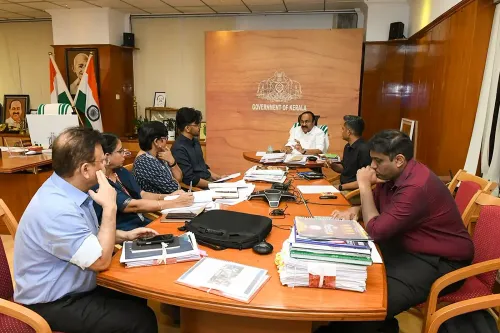
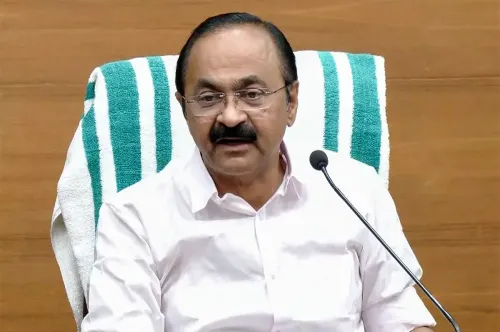
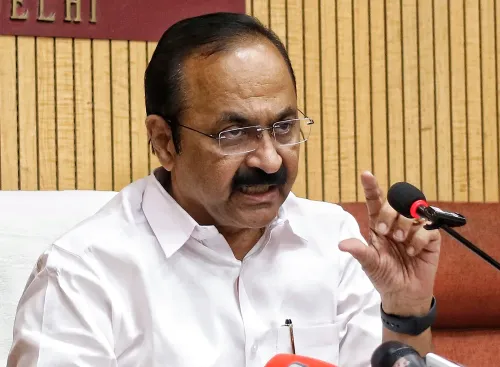
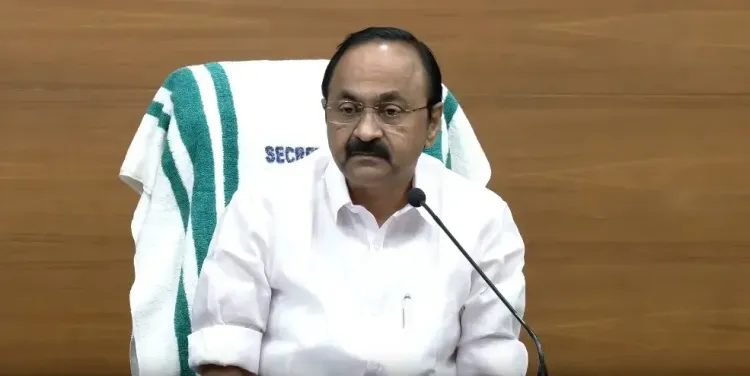
The Kerala Cabinet on Wednesday, 16 September 2026, approved the 'Saral Keralam' initiative, a single-window mechanism designed to eliminate delays in investment clearances by coordinating approvals across all state departments. Chief Minister V.D. Satheesan announced that 19 laws would be amended to make the framework investor-friendly, with the overarching goal of establishing 'one state, one approval and one body' for fresh investments.
How the New System Will Work
Under the Saral Keralam framework, investment proposals worth ₹25 crore to ₹50 crore will be evaluated by a district-level body, while those exceeding ₹50 crore will be handled by a state-level body. The Kerala State Industrial Development Corporation (KSIDC) will coordinate the entire mechanism.
CM Satheesan clarified that existing departments would not be bypassed — they will continue to discharge their statutory responsibilities — but the process will be restructured to prevent files from stagnating. He noted that some investment proposals had remained pending for as long as seven years, a situation the new system is designed to end. The Cabinet decision followed consultations with multiple departments, he added.
Why It Matters for Kerala's Investment Climate
Kerala has historically struggled to attract large-scale industrial investment relative to peer states, in part due to multi-layered approval processes. The introduction of a tiered single-window system mirrors reforms implemented in states such as Tamil Nadu and Telangana, which have climbed Ease of Doing Business rankings in recent years. Amending 19 laws simultaneously is an unusually sweeping legislative commitment, signalling that the government is prepared to restructure regulatory architecture rather than simply issue administrative orders.
Notably, this comes at a time when Kerala is also grappling with a power crisis — a factor that industrialists have cited as a deterrent to setting up manufacturing units. Addressing both investment ease and energy supply constraints together could, if executed, meaningfully shift the state's attractiveness to domestic and international capital.
Power Crisis and Energy Policy
On the electricity shortage, CM Satheesan said the immediate supply crunch would be resolved within one week, while a long-term power policy with strong emphasis on renewable energy was already being drafted. Kerala would enter into power-purchase agreements starting October through to the next monsoon season.
The CM pointed to Karnataka's renewable energy capacity as a model Kerala had yet to fully replicate, and said the state would examine that approach. He firmly rejected reports that the Kerala State Electricity Board (KSEB) was being prepared for privatisation, calling such claims baseless. The state is currently contending with continued supply constraints and power cuts amid a wider shortfall in the national grid.
Other Key Cabinet Decisions and Announcements
CM Satheesan said two National Investigation Agency (NIA) courts would be established in Kochi, with the expenditure to be borne by the Centre.
On the police search at the Reporter TV office in connection with a Messi-related fraud case, the CM said the channel's functioning had not been stopped and that the action was conducted under a court-permitted Special Investigation Team (SIT) probe. He responded to criticism from Opposition Leader Pinarayi Vijayan by recalling police action against Mangalam TV, Asianet, and Marunadan during the previous government's tenure, asserting the present action was carried out in accordance with law.
On the seizure of a diary from the residence of former Chief Minister Pinarayi Vijayan's daughter, Satheesan noted contradictory accounts from the family over whether such a diary existed and said the government had nothing further to add. He also said that Public Service Commission (PSC) members questioned by the Crime Branch in the Planning Board examination case had no special right to refuse to appear before investigators and would have to cooperate with the police whenever summoned.
What Comes Next
The legislative amendments to the 19 laws underpinning Saral Keralam will need to pass through the state assembly, making the timeline for full operationalisation contingent on the legislature's schedule. Industry bodies and investor groups will be watching closely for the KSIDC's implementation roadmap. If the mechanism goes live as planned, it could mark a structural shift in how Kerala positions itself in the national competition for capital.
Point of View
But signals have preceded structural change in Kerala before without fully delivering. The commitment to amend 19 laws is substantive — this is not a web portal rebranding — but the real test will be whether the KSIDC-anchored mechanism can override departmental inertia that has kept proposals pending for up to seven years. Kerala's investment-to-approval pipeline has been a recurring grievance among industrialists, and the state's ongoing power crisis adds urgency: no single-window reform will substitute for reliable electricity. Whether the assembly moves the legislative amendments swiftly, and whether KSIDC is given genuine overriding authority rather than a coordination role in name only, will determine if this becomes a template or another file on a shelf.
NationPress
16 Sept 2026
Frequently Asked Questions
What is the 'Saral Keralam' initiative approved by the Kerala Cabinet?
'Saral Keralam' is a single-window investment clearance mechanism approved by the Kerala Cabinet on 16 September 2026, designed to coordinate approvals across departments under the principle of 'one state, one approval and one body.' It will involve amending 19 existing laws and will be coordinated by the Kerala State Industrial Development Corporation (KSIDC).
How will investment proposals be processed under Saral Keralam?
Proposals involving investments between ₹25 crore and ₹50 crore will be examined by a district-level body, while those above ₹50 crore will be handled by a state-level body. KSIDC will coordinate the overall mechanism, though existing departments will continue their statutory functions.
Why did Kerala introduce this reform?
Some investment proposals had been stuck in Kerala's approval system for as long as seven years, according to CM V.D. Satheesan. The reform aims to eliminate multi-departmental bottlenecks, improve the ease of doing business, and make the state more competitive in attracting domestic and international capital.
What did the Kerala Cabinet say about the state's power crisis?
CM Satheesan said the immediate electricity shortage would be addressed within one week, and that the government is developing a long-term power policy focused on renewable energy. Kerala will enter into power-purchase agreements from October through the next monsoon, and the Karnataka renewable energy model is being studied. He also rejected reports that KSEB is being privatised.
What other decisions did the Kerala Cabinet take on 16 September?
The Cabinet announcement was accompanied by CM Satheesan confirming two NIA courts will be established in Kochi at the Centre's expense, defending the police search at Reporter TV in the Messi fraud case, and stating that PSC members must cooperate with Crime Branch investigators in the Planning Board examination case.