Pakistan ramps up drone activity along LoC to map Indian troops, aid infiltration
Synopsis
With every conventional infiltration route shut and terrorists stranded at launchpads for over a year, Pakistan's ISI has turned to MALE and Bayraktar TB2 drones to map Indian Army positions along the LoC — and to airdrop arms to local networks. The drone surge is being driven by direct pressure from LeT, JeM and Hizbul Mujahideen bosses demanding a major strike, making this a critical escalation in the cross-border threat calculus.
Key Takeaways
Pakistan has sharply escalated drone operations along the Line of Control (LoC) over the past fortnight, according to security officials.
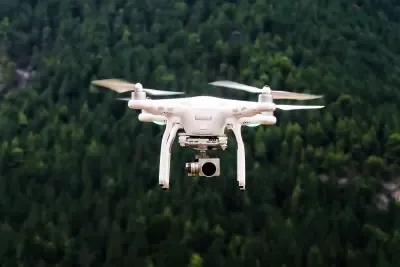
Medium Altitude Long Endurance (MALE) drones and Bayraktar TB2 platforms are being used to track Indian Army troop movements and feed coordinates to terror launchpads.
Pakistan is also attempting to airdrop weapons — pistols , M4 carbines , magnetic sticky bombs , and grenades — for local terror networks in Jammu and Kashmir .
All conventional infiltration routes have reportedly been sealed; some terrorists have been waiting at launchpads in PoK for over one year .
Pressure from LeT , JeM , and Hizbul Mujahideen leadership is driving the ISI's escalation.
Indian forces fired at drones during an August 2026 operation in Rajouri district , forcing them to retreat.
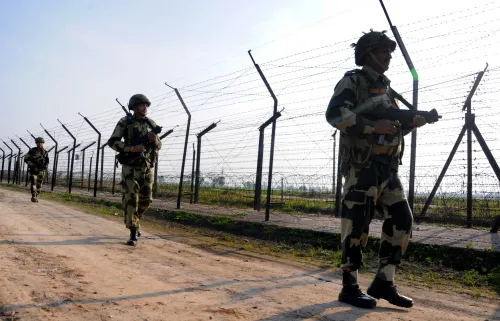
Pakistan has sharply escalated drone operations along the Line of Control (LoC) in recent weeks, deploying surveillance and payload-capable unmanned aerial platforms to map Indian Army positions and support terror infiltration bids into Jammu and Kashmir, according to security officials. The uptick, observed over the past fortnight, reflects growing desperation among Pakistani handlers as all conventional infiltration routes have reportedly been sealed.
Drone Types and Tactical Intent
Officials say Pakistan is deploying Medium Altitude Long Endurance (MALE) drones alongside Turkey-made Bayraktar TB2 platforms near forward sectors along the LoC. These aircraft are reportedly being used to track real-time troop movements and feed coordinates to terrorists waiting at launchpads across the border. In addition to surveillance, security agencies have flagged attempts to airdrop weapons — including pistols, M4 carbines, magnetic sticky bombs, and grenades — intended for local terror networks operating inside Jammu and Kashmir.
Failed Infiltration and Growing Frustration
An Intelligence Bureau official told reporters that all conventional infiltration methods have failed over the past several months. According to the official, some terrorists have been stranded at launchpads in Pakistan-occupied Kashmir (PoK) for over a year, fuelling demoralisation and frustration within the ranks. Compounding the Inter-Services Intelligence (ISI)'s difficulties, ongoing protests in PoK — continuing for at least three months — have also diverted security personnel who would otherwise have guided cross-border infiltration attempts.
Pressure from Terror Groups
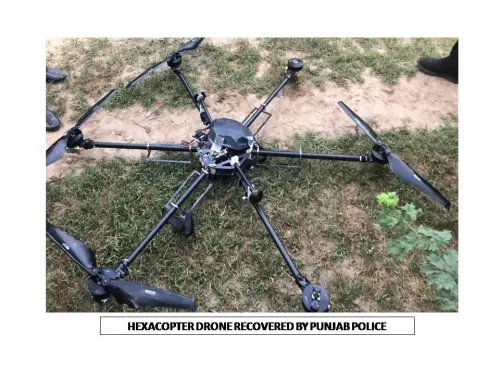
The intensified drone activity coincides with mounting pressure from the top leadership of Lashkar-e-Taiba (LeT), Jaish-e-Mohammed (JeM), and Hizbul Mujahideen on the ISI to deliver a high-profile strike inside Jammu and Kashmir. Officials say these groups have been unable to execute any significant operation owing to heightened security on the Indian side. The ISI is also reportedly attempting to replicate in Jammu and Kashmir the drone-smuggling model it has used in Punjab, where highly sophisticated satellite-linked drones have been used to drop narcotics and arms over the past two years.
Security Forces' Response
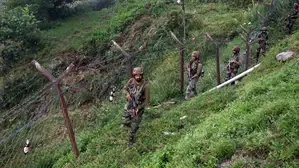
In a notable incident in August 2026, Indian security forces launched a large-scale search operation in Rajouri district of Jammu and Kashmir after a suspected Pakistani drone was sighted along the border. Alert troops fired at the drones during the incident, forcing them to retreat. Officials note that drone sightings have been concentrated near known infiltration points, a pattern consistent with pre-infiltration reconnaissance.
What Lies Ahead
Security officials warn that Pakistan is unlikely to scale back drone operations; if anything, the frequency is expected to rise as pressure from terror outfits intensifies. The ISI's stated objective, according to officials, is to rebuild a local terror network in Jammu and Kashmir by ensuring both adequate arms supplies and the eventual infiltration of foreign militants. Indian agencies say they are monitoring the situation closely and have reinforced surveillance protocols along the LoC.
Point of View
A theatre where local network degradation has been more thorough. The prolonged stasis at launchpads is significant: a demoralised cadre waiting over a year is not just an operational failure for Pakistan — it is a measure of how effectively Indian security has hardened the LoC. The danger is that desperation, combined with high-end drone technology, could eventually offset that advantage.
NationPress
16 Sept 2026
Frequently Asked Questions
Why has Pakistan increased drone activity along the Line of Control?
Pakistan has escalated drone operations along the LoC because all conventional infiltration methods have failed over the past several months, according to security officials. The ISI is using drones to map Indian Army positions and supply weapons to local terror networks, driven by pressure from LeT, JeM, and Hizbul Mujahideen leadership demanding a major strike inside Jammu and Kashmir.
What types of drones is Pakistan deploying along the LoC?
Officials say Pakistan is using Medium Altitude Long Endurance (MALE) drones and Turkey-made Bayraktar TB2 platforms near forward sectors of the LoC. These are designed to track real-time troop movements and feed coordinates to terror launchpads across the border.
What weapons has Pakistan been trying to smuggle via drones into Jammu and Kashmir?
According to officials, Pakistan has attempted to airdrop pistols, M4 carbines, magnetic sticky bombs, and grenades for local terror networks operating in Jammu and Kashmir. The ISI is seeking to rebuild its local network by ensuring it is well-armed.
How have Indian security forces responded to the drone incursions?
In August 2026, Indian security forces launched a large-scale search operation in Rajouri district of Jammu and Kashmir after a suspected Pakistani drone was sighted. Troops fired at the drones during the incident, forcing them to retreat, and agencies have since reinforced surveillance protocols along the LoC.
Why are terrorists stranded at launchpads in Pakistan-occupied Kashmir?
Security officials say heightened Indian vigilance has effectively shut all conventional infiltration routes, leaving some terrorists stranded at PoK launchpads for over a year. Ongoing protests in PoK have also tied up Pakistani security personnel who would normally have guided cross-border infiltration attempts.