PM Vishwakarma scheme hits 30 lakh registration target in 3 years
Synopsis
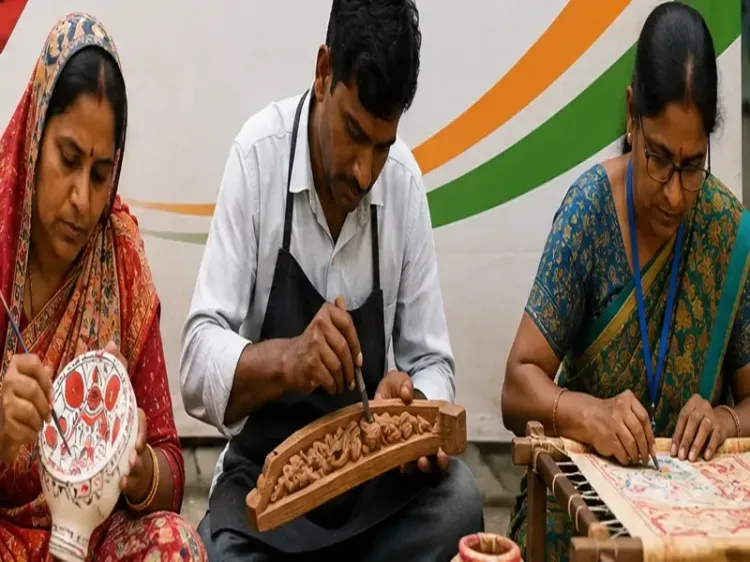
Three years in, PM Vishwakarma has hit its 30-lakh registration mark — but the more telling numbers are underneath: ₹5,316 crore in loans sanctioned, 12,000 artisans trained on AI tools, and 30,000 craftspeople now selling on platforms like ONDC and Amazon. The scheme is quietly attempting to drag India's informal artisan economy into the digital age.
Key Takeaways
PM Vishwakarma crossed its target of 30 lakh registrations within three years of launch, as of 16 September 2026 .
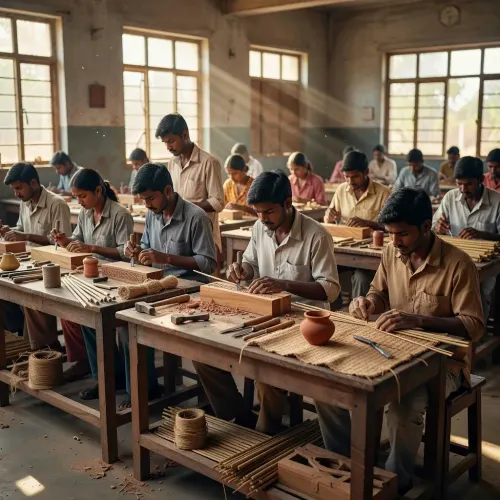
Over 24.37 lakh artisans have received basic skill training; more than 18.16 lakh have been provided toolkits.
More than 6.19 lakh loans worth approximately ₹5,316 crore have been sanctioned for inputs, tools, and business expansion.
Over 8.11 lakh beneficiaries have received digital incentives, with more than ₹42 crore disbursed.
More than 12,000 artisans have been trained in AI tools for branding, design, and marketing.
Over 30,000 beneficiaries have been onboarded on e-commerce platforms including GeM , ONDC , Meesho , and Amazon .
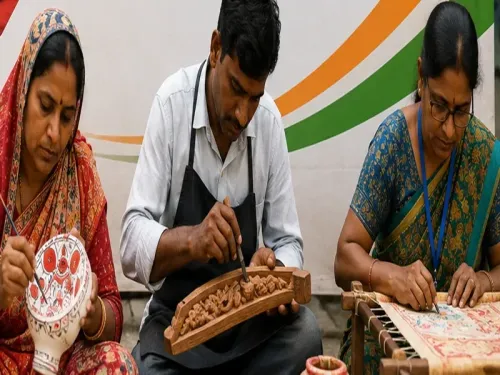
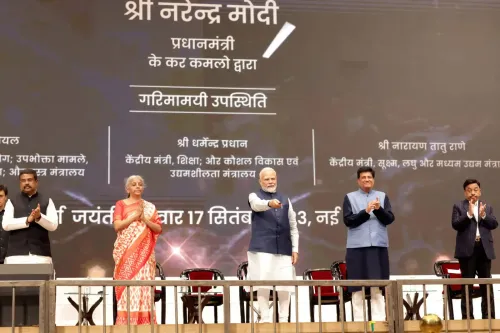
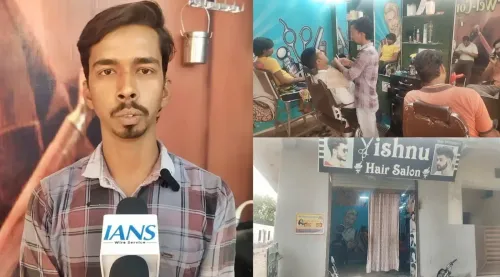
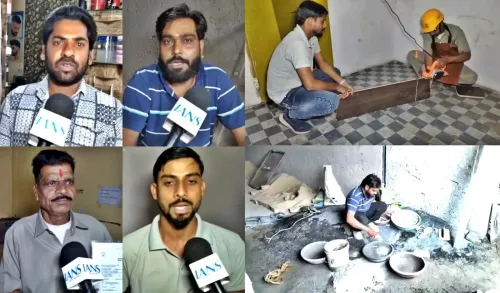
The PM Vishwakarma scheme has crossed its landmark registration target of 30 lakh beneficiaries within three years of launch, delivering skill training, toolkits, credit support, digital incentives and market linkages to traditional artisans and craftspeople, according to an official factsheet released on Wednesday, 16 September 2026. The milestone underscores the scheme's ambition to formalise and modernise India's vast informal artisan economy.
Key Milestones Reached
Over 24.37 lakh artisans have received basic skill training, while more than 18.16 lakh have been provided toolkits. On the credit front, more than 6.19 lakh loans worth approximately ₹5,316 crore have been sanctioned to help beneficiaries purchase inputs, upgrade tools, and expand their operations.
Digital adoption has also gathered pace: over 8.11 lakh beneficiaries have received digital incentives, with more than ₹42 crore disbursed. Notably, more than 12,000 artisans have been trained in the use of AI tools for branding, product design, packaging, and marketing — a significant forward-looking addition to a scheme rooted in traditional crafts.
Market Access and E-Commerce Push
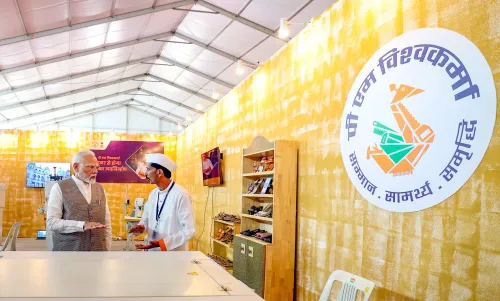
More than 30,000 Vishwakarma beneficiaries have been onboarded on various e-commerce platforms, including the Government e-Marketplace (GeM), ONDC, Meesho, Amazon, Fabindia, and Sulekha, according to the factsheet. This market-linkage drive is aimed at connecting village-level craftspeople to national and global buyers, bypassing traditional intermediary chains.
On the ground, over 1,500 awareness programmes and camps, more than 50 workshops, 82 trade fairs, 37 state-level exhibitions, and more than 50 flash mobs have been organised across the country to build scheme awareness and support artisan participation.
How the Scheme Works
On completing registration and verification, beneficiaries receive a PM Vishwakarma Certificate and ID Card as formal recognition. Basic training runs for 5 to 7 days, while advanced training extends to 15 days or more, with trainees receiving a stipend of ₹500 per day during the advanced module.
The digital incentive structure allows beneficiaries to earn ₹1 per eligible digital transaction — either a pay-out or receipt into their bank account — up to a maximum of 100 transactions per month. The scheme also actively promotes the Guru-Shishya parampara, the traditional family-based knowledge transfer system that underpins most artisan crafts in India.
Context and Significance
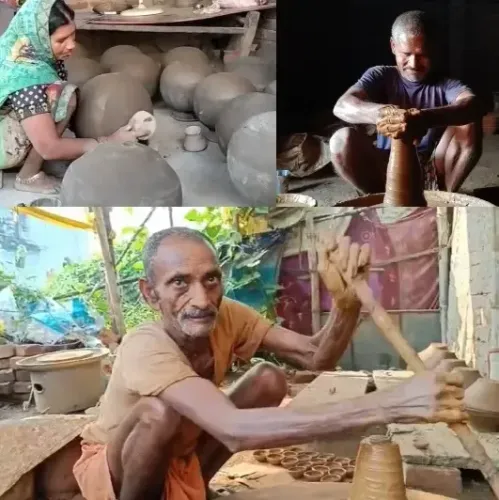
India's artisan and craftspeople sector is largely informal, relying on manual skills, family knowledge, and small-scale enterprise. The PM Vishwakarma scheme, which seeks to provide end-to-end support to these communities, represents one of the more comprehensive government interventions targeting this segment — combining skilling, credit, digital adoption, and market access under a single framework. Reaching the 30 lakh registration mark is the first of several targets the scheme has set, and implementation data now provides a basis for assessing whether the numbers translate into sustainable income gains for beneficiaries.
Point of View
Not an outcome metric — it tells us how many people entered the system, not how many have materially improved their incomes. The more revealing data points are the credit numbers: 6.19 lakh loans against 30 lakh registrants suggests credit uptake is running below a quarter of the enrolled base, which raises questions about awareness, eligibility bottlenecks, or demand. The AI-tool training for 12,000 artisans is a genuinely novel element, but 12,000 out of 30 lakh is a fraction of a percent. The scheme's real test will come when independent impact assessments measure whether toolkit access and e-commerce onboarding translate into higher artisan earnings — data the factsheet does not yet provide.
NationPress
16 Sept 2026
Frequently Asked Questions
What is the PM Vishwakarma scheme?
PM Vishwakarma is a central government scheme designed to provide end-to-end support to India's traditional artisans and craftspeople, covering skill training, toolkits, credit access, digital incentives, and market linkages. It also seeks to strengthen the Guru-Shishya parampara, or family-based traditional knowledge transfer system.
How many beneficiaries has PM Vishwakarma registered so far?
The scheme has achieved its registration target of 30 lakh beneficiaries within three years of launch, according to an official factsheet released on 16 September 2026. Of these, over 24.37 lakh have received basic skill training.
How much credit support has been provided under the scheme?
More than 6.19 lakh loans worth approximately ₹5,316 crore have been sanctioned under PM Vishwakarma. These loans are meant to help beneficiaries purchase inputs, upgrade tools, and expand their operations.
What digital and market-linkage benefits do artisans receive?
Over 8.11 lakh beneficiaries have received digital incentives totalling more than ₹42 crore, with artisans earning ₹1 per eligible digital transaction up to 100 transactions a month. More than 30,000 artisans have been onboarded on e-commerce platforms including GeM, ONDC, Meesho, and Amazon.
What training do PM Vishwakarma beneficiaries receive?
Basic training runs for 5 to 7 days, covering modern tools, best practices, digital transactions, and marketing. Advanced training extends to 15 days or more, with trainees receiving a stipend of ₹500 per day; over 12,000 artisans have also been trained in AI tools for branding, product design, and packaging.