Kerala Heatwave: CM Vijayan Chairs Emergency Review, 2nd Death Suspected
Synopsis
Kerala CM Pinarayi Vijayan chaired an emergency heatwave review on April 25, ordering drinking water distribution, event restrictions, and ward-level climate monitoring. A suspected second sunstroke death — an 85-year-old farmer in Kollam — has added urgency to the state's multi-pronged heat response as temperatures are forecast to rise further through May 2025.
Key Takeaways
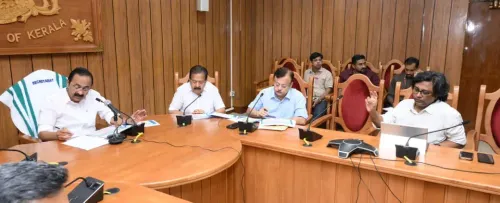
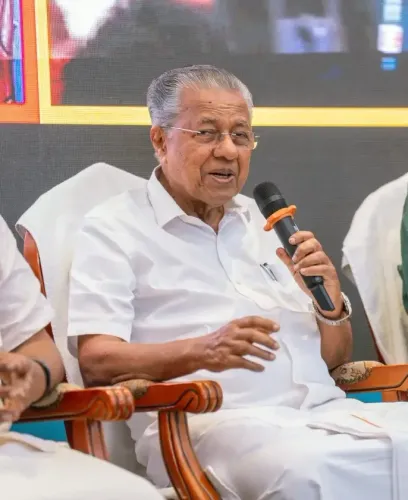
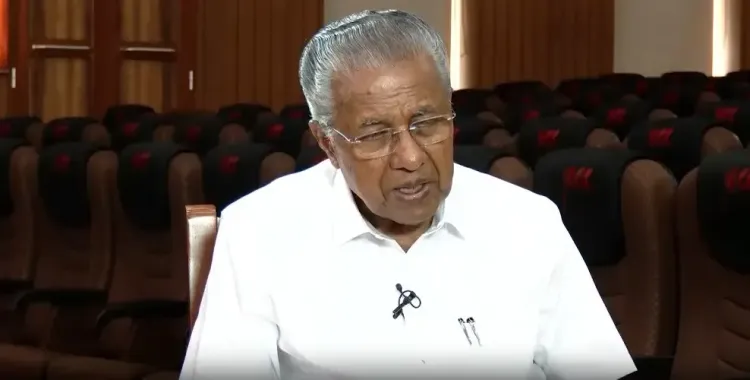
Chief Minister Pinarayi Vijayan chaired a high-level online heatwave review meeting on April 25, 2025 , in Thiruvananthapuram .
An 85-year-old man found dead in his farmland in Kollam district is suspected to be Kerala's second sunstroke fatality this season.
Authorities will impose strict restrictions on public events during peak heat hours and explore reducing traffic signal wait times in congested areas.
The Kerala State Electricity Board (KSEB) has been directed to ensure uninterrupted power supply amid surging cooling demand.
Long-term plans include converting anganwadis and health centres into heat-resilient buildings and establishing Heat & Burn clinics in select hospitals.
All local self-government bodies have been asked to prepare heat action plans backed by State Disaster Mitigation Fund support.
Thiruvananthapuram, April 25: The Kerala government has launched a sweeping, multi-pronged heatwave response after Chief Minister Pinarayi Vijayan chaired a high-level online review meeting on Saturday, April 25, directing authorities to urgently safeguard public health as temperatures continue to surge across the state. The meeting comes amid a suspected second sunstroke-related fatality this season, raising alarm among health officials and disaster management agencies.
Emergency Measures Rolled Out Across the State
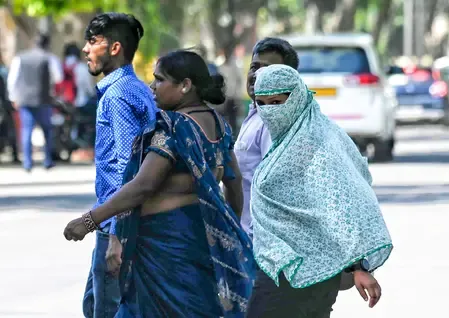
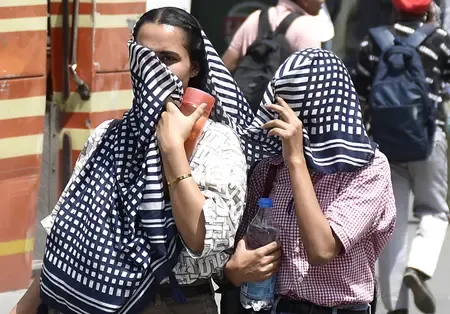
The review meeting directed all concerned departments to ensure the immediate availability of drinking water, Oral Rehydration Salts (ORS), and first-aid facilities for sunstroke at high-footfall public spaces including markets, bus stands, and transport hubs. Temporary shaded shelters are to be erected across these locations to provide immediate relief to commuters and daily-wage workers most exposed to the heat.
Health workers, local body representatives, and voluntary organisations have been tasked with coordinating ground-level operations. Water distribution points will be expanded along roadsides, junctions, and transport nodes, with community groups encouraged to distribute drinking water, buttermilk, and fruits like watermelon.
Suspected Second Heatwave Death Reported in Kollam
In a grim development, an 85-year-old man was found dead in his farmland in Kollam district on Saturday morning. Officials suspect it could be the second sunstroke-related death in Kerala this season, though formal confirmation is still awaited from medical authorities. The incident underscores the lethal potential of extreme heat, particularly for elderly agricultural workers with prolonged outdoor exposure.
This comes amid a broader national pattern of escalating heat-related fatalities, with India Meteorological Department (IMD) data consistently showing that heat stress is among the deadliest climate-linked hazards in South Asia. Kerala, despite its coastal geography and relatively higher humidity, has seen unusually intense heat events in recent years, a trend climate scientists attribute to accelerating climate change.
Restrictions on Public Events and Traffic Management
Authorities plan to impose strict restrictions on public gatherings, including cultural programmes and sports events, during peak heat hours when active heatwave warnings are issued by the IMD. District Collectors have also been asked to explore reducing traffic signal wait times in congested urban areas to minimise pedestrians' and motorists' heat exposure — a notably granular intervention that reflects the seriousness of the administration's approach.
The Kerala State Electricity Board (KSEB) has been directed to ensure uninterrupted power supply as cooling demand spikes. Simultaneously, the Water Authority and Irrigation Department have been ordered to take urgent steps to guarantee adequate drinking water supply, complemented by a public campaign promoting rainwater harvesting.
Long-Term Climate Resilience Infrastructure Planned
Beyond immediate relief, the government announced a series of structural interventions. Anganwadis and primary health centres will be progressively converted into heat-resilient buildings with improved ventilation and passive cooling features. Select hospitals will establish dedicated Heat & Burn clinics to handle heat-related medical emergencies more efficiently.
The state is also set to expand its climate monitoring systems at the ward level, collecting granular data on temperature, rainfall, and humidity to sharpen local preparedness. The Disaster Management Authority's 'Kavacham' early warning system will be strengthened, with focus on maintaining functional sirens and alert infrastructure across vulnerable zones.
The government has additionally issued public advisories on snake safety and water hygiene, citing heightened risks during extreme heat when snakes seek cooler environments near human habitation and waterborne diseases spike due to depleted water sources.
Local Bodies to Draft Heat Action Plans
With forecasts pointing to further temperature escalation in the coming weeks, all local self-government bodies have been directed to prepare comprehensive heat action plans, backed by State Disaster Mitigation Fund allocations. This decentralised approach mirrors best practices from cities like Ahmedabad, which pioneered India's first municipal heat action plan following a deadly 2010 heatwave that killed over 1,000 people.
Notably, Kerala's Heat Action Plan framework has been evolving since the state recorded anomalous heat events in 2023 and 2024, but critics argue implementation at the grassroots level has remained inconsistent. The current directive to collect ward-wise climate data and activate the Kavacham system signals a more institutionalised approach this year. As temperatures are projected to remain above normal through May 2025, the effectiveness of these measures will be closely watched by both citizens and climate policy observers nationwide.
Point of View
But the death of an elderly farmer in Kollam exposes a stubborn last-mile gap: the most vulnerable — agricultural labourers, the elderly, and the urban poor — remain dangerously exposed despite years of heat action planning. The ward-level climate data initiative and the Kavacham system upgrade are genuinely forward-looking, but India's history of disaster preparedness is littered with well-drafted plans that dissolve in implementation. The real test is whether Kerala can move faster than the mercury — and whether the political will on display in Saturday's review meeting translates into boots on the ground before the next fatality is confirmed.
NationPress
17 Sept 2026
Frequently Asked Questions
What measures did Kerala announce to tackle the heatwave in April 2025?
Kerala CM Pinarayi Vijayan chaired a high-level review meeting on April 25, 2025, directing authorities to set up drinking water distribution points, ORS and first-aid facilities, temporary shaded shelters, and restrictions on public events during peak heat hours. Long-term measures include heat-resilient anganwadis, Heat & Burn clinics, and ward-level climate monitoring.
Has anyone died due to the heatwave in Kerala in 2025?
An 85-year-old man was found dead in his farmland in Kollam district on April 25, 2025, and is suspected to be Kerala's second sunstroke-related fatality this season. Official confirmation from medical authorities was still awaited at the time of reporting.
What is Kerala's Kavacham warning system?
Kavacham is the Kerala State Disaster Management Authority's early warning system designed to alert communities about impending disasters, including heatwaves, through sirens and related infrastructure. The state government has directed that this system be strengthened and its infrastructure maintained ahead of further temperature rises.
Which departments were directed to act during Kerala's heatwave response?
The Kerala Water Authority, Irrigation Department, Kerala State Electricity Board (KSEB), District Collectors, local self-government bodies, health workers, and voluntary organisations were all directed to coordinate heatwave relief and preparedness measures. Each was assigned specific roles ranging from water supply to power continuity and ground-level distribution.
How does Kerala's heatwave response compare to other Indian states?
Kerala's approach — including ward-level climate data collection and dedicated Heat & Burn clinics — is more granular than most Indian states' responses. Ahmedabad pioneered India's first municipal heat action plan after a 2010 heatwave killed over 1,000 people, and Kerala is now building a similarly institutionalised framework, though critics note inconsistent grassroots implementation in past years.