Kerala Excise Commissioner's exit report names 2 officers in corruption probe bid
Synopsis
Kerala's outgoing Excise Commissioner filed a damning corruption report naming two senior officers for bribery, benami assets and coercion of bar owners — and implicitly referencing the Excise Minister — just before being transferred. The report's surface timing, a day after his removal, has made the transfer itself the story.
Key Takeaways
Former Kerala Excise Commissioner S.
Sambasiva Rao submitted a corruption report to the state government before his transfer, which surfaced on 7 November 2026 .
The report names Joint Excise Commissioner S.
Vinod and Deputy Commissioner Ajay for bribery, benami transactions, and disproportionate assets.
Vinod allegedly collected ₹50,000 from a bar owner for an approval and ₹30,000 each from bar owners during inspection visits to Alappuzha .
The report references Excise Minister M.
Liju's alleged links with a bar in Kayamkulam .
32 transfers were allegedly made without the Commissioner's approval; the report recommends an online transfer system and background checks.
CPI(M) secretary M.V.
Govindan said matters are 'very clear now'; the Left opposition has accused the Satheesan government of removing good officers.
Former Kerala Excise Commissioner S. Sambasiva Rao submitted a detailed corruption report to the state government shortly before his transfer, naming two senior department officials and recommending an immediate Vigilance probe under the Prevention of Corruption Act, 1988. The report, which surfaced on Saturday, 7 November 2026, has triggered fresh political controversy in Thiruvananthapuram over the timing of the Commissioner's transfer.
Who Is Named and What They Are Accused Of
The report directly names S. Vinod, Joint Excise Commissioner, and Ajay, Deputy Commissioner, accusing both of collecting money from bar owners and toddy shop licensees, accepting bribes for official favours, holding assets disproportionate to their known sources of income, and engaging in benami transactions.
According to the report, Vinod allegedly maintained close links with the owners of a bar in Muvattupuzha and acted as an intermediary for licence-related matters, purportedly collecting ₹50,000 from bar owners for an approval. The Commissioner further refers to Vinod's alleged admission to a friend that bar owners paid him ₹30,000 each during his inspection visits to Alappuzha.
Deputy Commissioner Ajay is accused of collecting money from the management of a bar at Kattachira in Kayamkulam during inspection visits and for licence renewals. The report also alleges that while serving in Kottayam, Ajay used a relative's name to take bars on lease and purchase them, and is accused of holding benami properties and operating permit toddy sales.
The Minister Reference and the Kayamkulam Bar
The report contains a significant reference to Excise Minister M. Liju's alleged close links with a bar in Kayamkulam. It states that the bar owner in question has connections to the Minister and could, if questioned directly, disclose the payments allegedly made to officers. The report does not level a direct financial allegation against the Minister, but the reference itself has become politically volatile.
A Pattern of Fear and Forced Payments
Sambasiva Rao's report describes a coercive environment in which bar owners were reportedly compelled to pay amounts demanded by officers for fear of losing their business licences. It further alleges that those who cooperated with inspections faced retaliation, discouraging others from coming forward — a pattern critics argue points to systemic dysfunction within the department.
The Commissioner has recommended the immediate removal of both officers from field assignments and a detailed Vigilance probe into their assets, financial dealings, and alleged misuse of official positions.
Transfer Irregularities and System Gaps
Beyond individual misconduct, the report flags structural irregularities, alleging that 32 postings were changed unilaterally without the Commissioner's approval. Sambasiva Rao has called for a transparent online transfer system and mandatory background checks before officers are assigned to sensitive posts — recommendations that underscore broader governance concerns within the Excise Department.
Political Fallout and Opposition Response
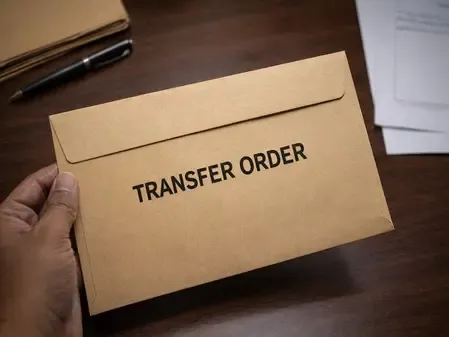
The report surfaced a day after Sambasiva Rao was transferred from his post. The timing closely follows the transfer of KSEB Chairman Rajamanickam, a senior IAS officer, the previous week. State CPI(M) secretary M.V. Govindan said things are 'very clear now' after the transfer came into effect. The Left opposition has been vocal in alleging that the Satheesan government is systematically moving out upright officials, a charge the government has not formally addressed. This comes amid a broader political atmosphere in Kerala where officer transfers have repeatedly become flashpoints between the ruling Congress-led UDF and the LDF opposition.
Point of View
However indirect. If the Vigilance probe the Commissioner recommended actually materialises, it will be hard to ring-fence it from that reference. That the report surfaced immediately after the Commissioner's transfer, rather than during his tenure, raises an accountability question that cuts both ways: why wait until departure, and why transfer the officer at this moment? Kerala's pattern of contested officer transfers has long been a proxy for political competition, but a written, signed report naming a sitting minister's alleged links to a licenced establishment is a material escalation.
NationPress
7 Nov 2026
Frequently Asked Questions
What did Kerala Excise Commissioner S. Sambasiva Rao allege in his report?
S. Sambasiva Rao submitted a report to the Kerala state government alleging that Joint Excise Commissioner S. Vinod and Deputy Commissioner Ajay collected bribes from bar owners, held benami properties, and possessed disproportionate assets. The report recommends a Vigilance probe under the Prevention of Corruption Act, 1988 and their immediate removal from field assignments.
Why is the report politically significant?
The report references Excise Minister M. Liju's alleged close links with a bar in Kayamkulam, stating the bar owner could disclose officer payments if questioned. The report surfaced a day after the Commissioner was transferred, prompting the Left opposition to allege the Satheesan government is removing upright officials.
What specific amounts were allegedly collected by the named officers?
According to the report, Joint Excise Commissioner S. Vinod allegedly collected ₹50,000 from a bar owner in Muvattupuzha for an approval, and ₹30,000 each from bar owners during inspection visits to Alappuzha. Deputy Commissioner Ajay allegedly collected money during inspection visits and licence renewals at a bar in Kattachira, Kayamkulam.
What systemic changes has the Commissioner recommended?
Beyond individual probes, Sambasiva Rao has flagged that 32 postings were changed without his approval and has called for a transparent online transfer system along with mandatory background checks before officers are assigned to sensitive posts.
What has the political opposition said about the transfers?
CPI(M) state secretary M.V. Govindan said things are 'very clear now' following the transfer of Sambasiva Rao. The broader Left Democratic Front opposition has alleged that the Congress-led Satheesan government is systematically removing capable and independent officials from key positions.