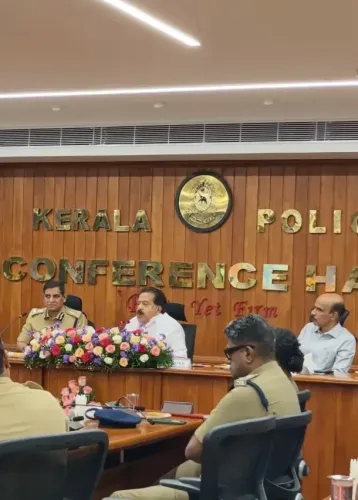
Kerala ACB deploys AI to catch corrupt officials; 200+ in red list

Synopsis
Kerala's anti-corruption drive has gone high-tech: the ACB is now using Artificial Intelligence to monitor file movements and flag suspicious patterns, while over 200 officials sit on a red-category watchlist. What makes this escalation notable is the shift in the corruption playbook itself — bribes are moving through digital channels and into overseas student accounts, forcing the state to match criminals' sophistication with its own.
Key Takeaways
The Kerala ACB has placed more than 200 officials in a high-risk 'red category' for intensified monitoring under Project Zero .
Artificial Intelligence will now be used to track file movement and detect unusual patterns in official activity.
Bribe money has reportedly been routed through intermediaries and into bank accounts of officials' relatives, including daughters studying abroad.
The Vigilance Manual was overhauled in July 2025 — the first revision in nearly 24 years — to address digital payments and benami assets.
Satheesan and Home Minister Ramesh Chennithala have both stated zero tolerance for corruption.
District-level ACB machinery is being strengthened, with surprise inspections set to increase across departments.
The Vigilance and Anti-Corruption Bureau (ACB) in Kerala has sharply intensified its crackdown on corrupt government officials, deploying Artificial Intelligence to monitor file movements and flag unusual patterns in official activity. More than 200 officials have been placed in a high-risk 'red category' for closer surveillance, as part of Project Zero — the state's flagship statewide anti-corruption campaign.
Who Is Under the Scanner
Officials from the Revenue, Local Self Government, and Motor Vehicles departments make up a significant portion of the watchlist. The ACB is tracking not just the officials themselves but also the evolving methods through which illegal payments are received. Corrupt practices have reportedly shifted from cash to digital channels, with bribe money allegedly being routed through intermediaries into bank accounts linked to relatives — including, in some cases, accounts of officials' daughters studying abroad. Benami transactions are also under active scrutiny.
AI and Digital Surveillance at the Core
The bureau will now use Artificial Intelligence to analyse file movement data across departments. Any anomalous patterns — unusually fast clearances, unexplained delays, or irregular activity — could trigger immediate escalation to closer surveillance. This marks a significant technological upgrade for the ACB, which has historically relied on field-based methods. The integration of AI into anti-corruption monitoring is a first of its kind for the agency in its current form.
The Revised Vigilance Manual
The intensified drive follows a comprehensive overhaul of the Vigilance Manual in July 2025 — the first such revision in nearly 24 years. The updated manual provides detailed procedures for investigating online financial transactions, benami assets, and assets disproportionate to known income sources. It also aims to professionalise Vigilance investigations and strengthen internal vigilance mechanisms within departments and public sector undertakings.
Government's Position and Next Steps
Chief Minister V.D. Satheesan and Home Minister Ramesh Chennithala have repeatedly stated that corruption will not be tolerated under any circumstances. Departments have been directed to promptly report corruption complaints to the Vigilance, and surprise inspections are set to be intensified. The ACB is also bolstering its district-level machinery, with District Vigilance Superintendents of Police expected to take on a more active role in the campaign. With field surveillance now combined with AI-driven digital tracking, officials under suspicion face a significantly more monitored working environment going forward.
Point of View
But the harder test is institutional will, not technology. Kerala's anti-corruption apparatus has announced crackdowns before; what distinguishes this cycle is the documented shift in bribery methods — from cash to digital trails routed through relatives and overseas accounts — which suggests the corruption ecosystem is sophisticated enough to have adapted faster than regulators. The revised Vigilance Manual addresses this, but a 24-year gap between revisions is itself an accountability failure. Whether AI flags translate into prosecutions and convictions, rather than just surveillance theatre, will determine whether Project Zero becomes a genuine deterrent or another headline campaign.
NationPress
30 Sept 2026
Frequently Asked Questions
What is Project Zero in Kerala?
Project Zero is the Kerala Vigilance and Anti-Corruption Bureau's statewide anti-corruption campaign, aimed at identifying and prosecuting government officials suspected of accepting bribes. It involves both field surveillance and, now, AI-driven digital monitoring of official activity.
How many Kerala officials are under high-risk surveillance?
More than 200 officials have been placed in a 'red category' for closer monitoring. Officials from the Revenue, Local Self Government, and Motor Vehicles departments form a significant portion of this list.
How is the Kerala ACB using Artificial Intelligence?
The ACB is deploying AI to analyse file movement data across government departments, flagging unusual patterns — such as unexplained delays or abnormally fast clearances — that could indicate corrupt activity. This is part of a broader shift toward technology-driven anti-corruption enforcement.
What changes were made to the Kerala Vigilance Manual?
The Vigilance Manual was comprehensively revised in July 2025, the first such overhaul in nearly 24 years. The updated manual includes detailed procedures for investigating online financial transactions, benami assets, and disproportionate assets, and aims to professionalise Vigilance investigations.
How are corrupt officials in Kerala reportedly hiding bribe money?
According to the ACB, corrupt officials have shifted from cash to digital transactions, routing bribe money through intermediaries into bank accounts of relatives. In some documented cases, payments were reportedly made to accounts of officials' daughters studying abroad, and benami transactions are also under scrutiny.