Kerala's Project Zero: Chennithala launches anti-corruption drive, seeks public support
Synopsis
Kerala has launched 'Project Zero' — a prevention-first anti-corruption drive that bets on citizen whistleblowers, a rewritten Vigilance Manual, and a Supreme Court challenge to fix a prosecution bottleneck. It is the most structurally ambitious anti-graft push the state has announced in decades.
Key Takeaways
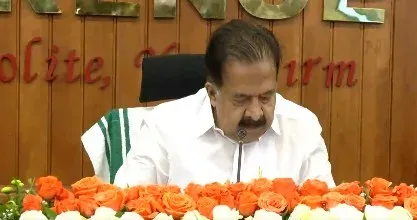
Home and Vigilance Minister Ramesh Chennithala launched 'Project Zero' in Thiruvananthapuram on Tuesday, 26 May .
The initiative focuses on preventing corruption before it occurs , not just prosecuting after the fact.
Citizens are invited to report corrupt officials, with complete confidentiality and informant protection guaranteed.
The 1969 Vigilance Manual is being fully rewritten; the first draft is reportedly ready.
Chennithala has approached the Supreme Court to challenge the prior-sanction requirement under the amended Prevention of Corruption Act , which he says delays prosecutions.
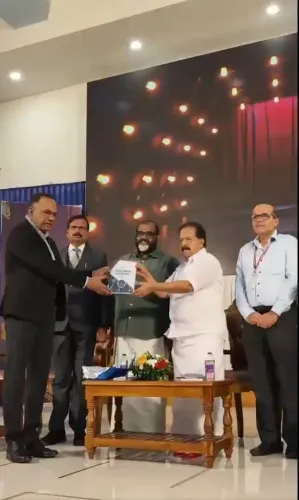
Kerala Home and Vigilance Minister Ramesh Chennithala on Tuesday launched 'Project Zero', a sweeping anti-corruption initiative aimed at making Kerala bribe-free, with public participation at its core. The announcement followed a high-level review meeting of senior officials from the Vigilance and Anti-Corruption Bureau (VACB) in Thiruvananthapuram.
What Project Zero Entails
Unlike conventional anti-corruption drives that act after offences are committed, Project Zero is designed as a prevention-first model. Chennithala described it as a “revolutionary concept” that would keep the VACB's oversight active over both government officials and public figures before misconduct occurs, rather than reacting to it.
Citizens are being urged to come forward with information about corrupt officials. The Minister assured that complete confidentiality and protection would be extended to all informants, making whistleblower safety a stated pillar of the campaign.
The Problem It Targets
Chennithala acknowledged that corruption has deeply eroded public trust in Kerala's administrative machinery. “There is a growing perception among people that nothing moves without paying bribes. That mindset has to change,” he said. “Our ultimate aim is to ensure that no citizen should have to grease the palms of officials for getting things done.”
The Minister's candour about the scale of the problem underscores the ambition of the initiative — and the distance it must travel to succeed.
Overhaul of Vigilance Administration
In a parallel reform, Chennithala announced that the 1969 Vigilance Manual — the foundational operational document of the state's anti-corruption apparatus — is being comprehensively rewritten after more than five decades. The first draft of the revised manual is reportedly ready for scrutiny, signalling that institutional reform will accompany the public-facing campaign.
Legal Hurdles and Supreme Court Challenge
The Minister also flagged a significant legal obstacle: provisions in the amended Prevention of Corruption Act that require prior government sanction before prosecuting officials. Chennithala said this mandatory sanction process causes delays that blunt swift action. “I myself have approached the Supreme Court on the issue,” he said, indicating the government is pursuing judicial remedy to expedite prosecutions.
What Comes Next
The success of Project Zero will hinge on two variables: the depth of public engagement it can sustain, and whether the legal bottleneck around prosecution sanction is resolved. With the revised Vigilance Manual in draft stage and a Supreme Court challenge already filed, the government appears to be moving on multiple fronts simultaneously. How quickly institutional change follows the political announcement will be the true measure of this initiative.
Point of View
But the real test lies in two structural constraints the Minister himself identified: the prior-sanction bottleneck under the Prevention of Corruption Act, and a Vigilance Manual that had not been updated since 1969. Launching a public campaign while those foundations remain unreformed would reduce the initiative to optics. The Supreme Court challenge on prosecution sanction is the detail that matters most here — if it succeeds, it removes the single biggest shield that errant officials currently enjoy. That outcome, not the campaign's branding, will determine whether Project Zero is a genuine inflection point or another well-intentioned announcement.
NationPress
11 Oct 2026
Frequently Asked Questions
What is Kerala's Project Zero?
Project Zero is an anti-corruption initiative launched by Kerala's Vigilance and Anti-Corruption Bureau on 26 May, designed to prevent corruption before it takes place rather than only acting after offences occur. It invites citizens to report corrupt officials and promises complete confidentiality to informants.
Who announced Project Zero and when?
Kerala Home and Vigilance Minister Ramesh Chennithala announced the initiative on Tuesday, 26 May, following a high-level meeting of senior Vigilance and Anti-Corruption Bureau officials in Thiruvananthapuram.
What is the legal hurdle Chennithala mentioned?
The amended Prevention of Corruption Act requires prior government sanction before officials can be prosecuted, a step that Chennithala says causes significant delays in taking action. He has filed a challenge in the Supreme Court seeking to address this bottleneck.
Why is the 1969 Vigilance Manual being rewritten?
The Vigilance Manual, which governs the operational procedures of Kerala's anti-corruption bureau, has not been updated since 1969. A complete rewrite is underway to modernise the framework; the first draft is reportedly ready for review.
How can citizens participate in Project Zero?
Citizens are encouraged to share information about corrupt officials directly with vigilance authorities. The government has assured that all informants will receive full confidentiality and protection, making public participation the stated backbone of the campaign.