Kerala HC gives state 2 days to oppose ex-DGP Thachankary's sentence suspension plea
Synopsis
A Kerala HC judge warned that 'law is not so feeble' even for DGPs and Chief Ministers — as the court gave the state two days to oppose former police chief Tomin J. Thachankary's bid to stay his four-year corruption sentence. With assets found 52.33% disproportionate, the case is already a landmark test of accountability for senior officials.
Key Takeaways
Kerala High Court on 22 September 2026 gave the state two days to file objections to ex-DGP Tomin J.
Thachankary's sentence suspension plea.
Next hearing is scheduled for 24 September before Justice A.
Thachankary was convicted by the Kottayam Vigilance Court last week and sentenced to four years' imprisonment and a fine of ₹30.84 lakh .
The trial court found his assets 52.33 per cent disproportionate to his known income under the Prevention of Corruption Act .
The court questioned whether the prosecution has the right to file written objections in cases with a sentence below 10 years , citing Section 389 CrPC .
Justice Badharudeen remarked the case is a message to DGPs, Chief Secretaries, and Chief Ministers that the law applies without discrimination.
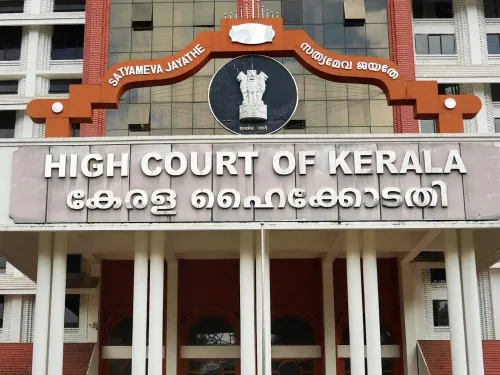
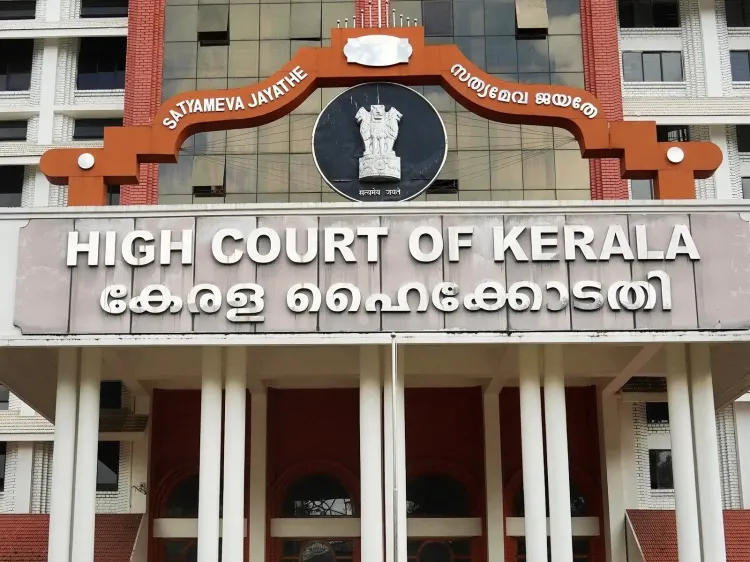
The Kerala High Court on Tuesday, 22 September 2026, granted the state government two days to file its objections to former Director General of Police Tomin J. Thachankary's plea seeking suspension of his four-year prison sentence in a disproportionate assets case. The matter has been posted for hearing on 24 September, after the prosecution described it as an exceptional case involving a former police chief.
What the Court Heard
Justice A. Badharudeen allowed the state's request for time after the public prosecutor sought an opportunity to file a written counter opposing Thachankary's plea to suspend the sentence pending his appeal against conviction. However, the request immediately triggered a sharp legal debate over whether the prosecution even holds a right to file written objections when the sentence is below 10 years.
Thachankary's senior counsel B. Raman Pillai opposed the state's request, arguing it was the first instance of the prosecution seeking to file written objections in a case involving a sentence of less than 10 years. The court itself questioned the legal foundation of the state's position, observing: 'You don't have an absolute right to file an objection in a case where the sentence is less than 10 years.'
The Legal Basis Under CrPC
Justice Badharudeen noted that under Section 389 of the Code of Criminal Procedure (CrPC), the prosecution is specifically granted an opportunity to file written objections only when the sentence exceeds 10 years. The state, however, argued that the gravity and circumstances of this particular case warranted an exception, with the prosecutor stressing that the accused had occupied the high-profile post of DGP and that the allegations were serious in nature.
Court's Broader Observation
While granting the state two days, Justice Badharudeen made a pointed oral remark that went well beyond the procedural dispute. 'So this is a message to all DGPs, Chief Secretaries, even Chief Ministers, etc., that law is not so feeble even to book highly potential persons without any discrimination to their status,' the judge observed, underscoring the court's view of the case's wider significance.
The Conviction and the Charges
Thachankary was convicted last week by the Kottayam Vigilance Court under Section 13(2) read with Section 13(1)(e) of the Prevention of Corruption Act, and sentenced to four years' imprisonment and a fine of ₹30.84 lakh. The trial court determined that, even after accounting for discrepancies in the evidence in his favour, his assets were 52.33 per cent disproportionate to his known income.
Thachankary, who retired from service in 2023, has challenged his conviction on multiple grounds — including the validity of the sanction for prosecution, the method used to calculate his income, and the treatment of his wife's income in the disproportionate assets calculation. Alongside the appeal, he has sought a suspension of the sentence during its pendency.
The next hearing on 24 September will determine whether the state can formally place its objections before the court, and whether Thachankary walks free on bail during the appeal process — a question that carries significant implications for accountability norms governing senior public servants.
Point of View
Chief Secretaries, and Chief Ministers — a signal that courts are increasingly willing to use high-profile corruption convictions as deterrence messaging, not just legal outcomes. What this case also exposes is a structural gap: senior IPS officers retire with decades of accumulated assets, and vigilance prosecutions typically crawl through the system long after the accused have secured pensions and post-retirement sinecures. Thachankary's appeal will test whether a conviction can actually stick when the defendant has the resources and standing to mount a prolonged legal challenge.
NationPress
22 Sept 2026
Frequently Asked Questions
What is the Thachankary disproportionate assets case?
Former Kerala DGP Tomin J. Thachankary was convicted by the Kottayam Vigilance Court under the Prevention of Corruption Act for possessing assets 52.33 per cent disproportionate to his known income. He was sentenced to four years' imprisonment and a fine of ₹30.84 lakh.
Why did the Kerala High Court give the state two days?
The state's public prosecutor requested time to file a written counter opposing Thachankary's plea to suspend the sentence pending his appeal. Justice A. Badharudeen allowed the request, posting the matter for 24 September, even as he questioned whether the prosecution had a legal right to file written objections for sentences below 10 years.
What is the legal dispute over Section 389 CrPC?
Section 389 of the CrPC specifically grants the prosecution an opportunity to file written objections only when a sentence exceeds 10 years. Since Thachankary's sentence is four years, his counsel argued the state has no absolute right to file objections, a position the court also appeared to endorse in its observations.
What did Justice Badharudeen say about the case's significance?
Justice Badharudeen remarked orally that the case sends a message to 'all DGPs, Chief Secretaries, even Chief Ministers' that the law is not too feeble to prosecute highly influential persons without discrimination based on their status.
What happens next in the Thachankary case?
The Kerala High Court will take up the matter on 24 September, when the state is expected to file its written objections. The court will then decide whether to suspend Thachankary's four-year sentence while his appeal against the conviction remains pending.