Will Kerala's Local Body Polls Shape the 2026 Assembly Elections?
Synopsis
As Kerala heads into crucial local body elections, the outcome is pivotal for the political landscape leading into the 2026 Assembly elections. With three major fronts contesting, the results will be a crucial indicator of public sentiment and party dynamics in the state.
Key Takeaways
Kerala's local body elections will serve as a critical political gauge ahead of the 2026 Assembly elections.
The ruling LDF faces challenges from rising anti-incumbency.
UDF seeks to capitalize on public dissatisfaction.
NDA aims for a significant increase in its vote share.
Results could indicate long-term political realignments in Kerala.
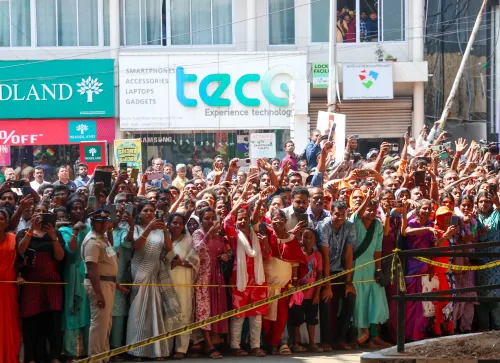
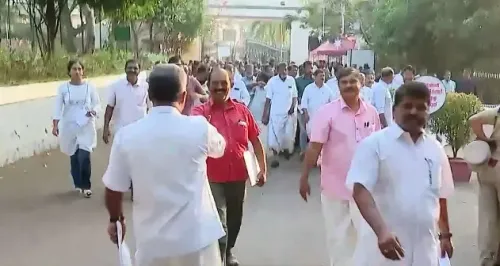
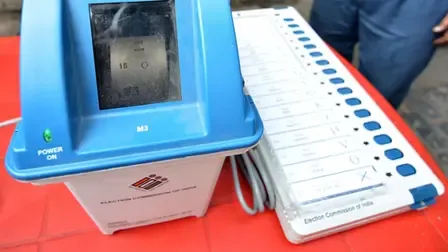
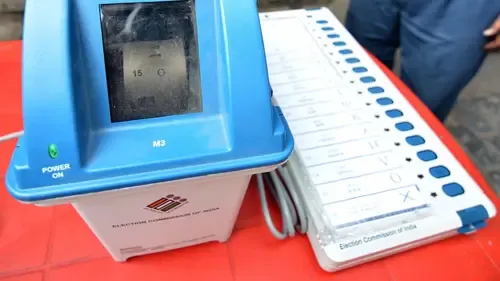
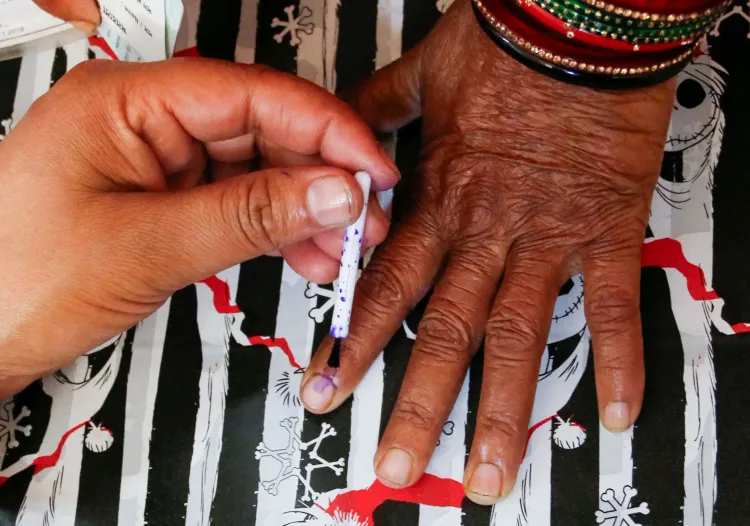
Thiruvananthapuram, Dec 8 (NationPress) On Tuesday, Kerala will conduct voting for the initial phase of its local body elections, with seven districts, including Thrissur, participating in this significant political event that could influence the upcoming 2026 Assembly elections.
The second phase of polling is slated for Thursday, followed by counting on December 13.
The ruling CPI(M)-led Left Democratic Front (LDF), the Congress-led United Democratic Front (UDF), and the BJP-led National Democratic Alliance (NDA) will all be keenly observing the results, as they will act as a pivotal mid-term political gauge.
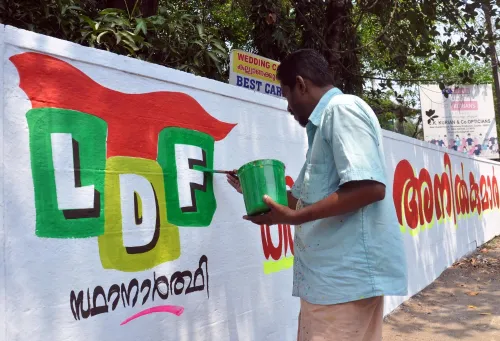
The LDF enters the race facing challenges from anti-incumbency after nearly ten years in governance, amidst issues like financial strain, governance controversies, and various political flashpoints.
Despite these hurdles, the Left relies on its extensive grassroots organizational strength and historical control over local self-governance.
For the CPI(M), these local elections are vital to boost cadre morale and restore its political narrative following recent setbacks in parliamentary contests and public sentiment.
Conversely, the UDF sees this election as a chance to convert public dissatisfaction into local electoral victories.
The Congress aims to recover the territory lost in the last local elections, where the Left maintained a stronghold.
Challenges from within, such as factionalism, persist for the UDF, but rising anti-government sentiment, the increasing cost of living, and claims of administrative failures could sway urban and semi-urban voters.
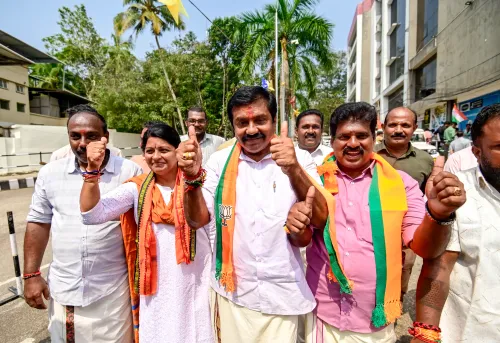
Meanwhile, the NDA perceives this as its most ambitious local election campaign yet in Kerala.
Union Home Minister Amit Shah has tasked the BJP with increasing its vote share from 16% to at least 25%, a goal that, if realized, could significantly transform the state’s political dynamics.
Although the NDA's organizational presence is limited outside certain urban areas, it is actively courting young voters, welfare beneficiaries, and populations in Ezhava-dominated regions to expand its support base.
Political analysts remark that while a dramatic shift in power dynamics is unlikely, even slight changes in vote share may herald the onset of long-term realignments.
A consolidation of UDF gains would invigorate the Opposition ahead of 2026, while a significant surge for the NDA would represent a strategic achievement for the BJP in a state historically resistant to its influence.
With governance at the grassroots, political credibility, and future Assembly ambitions at stake, the verdict on December 13 is anticipated to reshape Kerala’s political landscape significantly before the next major electoral contest begins.
Point of View
The upcoming local body elections in Kerala are not just a state affair; they reflect broader political currents in India. The outcomes may impact national party strategies, especially as parties like the BJP seek to expand their influence in traditionally resistant regions. The focus on grassroots governance and public sentiment will be crucial as we approach the 2026 Assembly elections.
NationPress
1 Oct 2026
Frequently Asked Questions
What are the key political parties involved in Kerala's local body elections?
The key political parties involved are the CPI(M)-led Left Democratic Front (LDF), the Congress-led United Democratic Front (UDF), and the BJP-led National Democratic Alliance (NDA).
When is the counting of votes scheduled?
The counting of votes is scheduled for December 13.
Why are these elections significant for the LDF?
These elections are crucial for the LDF to combat anti-incumbency and reaffirm its political narrative after recent setbacks.
What are the UDF's goals in these elections?
The UDF aims to convert public discontent into local electoral victories and regain ground lost in previous elections.
What targets has the NDA set for itself?
The NDA, specifically the BJP, aims to increase its vote share from 16% to at least 25%.