E20 petrol quality: Kerala CM Satheesan orders strict action, 9 pumps tested
Synopsis
Kerala's CM Satheesan has put fuel retailers on notice: nine petrol pumps across four districts are already under lab scrutiny for E20 quality violations, and results are due in 10 days. With stringent legal action promised and inspections set to widen statewide, this is the most direct state-level challenge yet to the Centre's ethanol blending rollout.
Key Takeaways
Satheesan announced a statewide E20 petrol inspection drive on 12 November 2026 .
The Civil Supplies Department has collected samples from 9 petrol pumps across Thiruvananthapuram , Ernakulam , Kozhikode , and Kannur .
Test results on ethanol concentration and fuel quality are expected within 10 days .
The government has warned of stringent legal action against violators if irregularities are detected.
Inspections will be extended to more petrol pumps across the state in the coming days.
E20 petrol — containing up to 20% ethanol — is part of the Centre's national ethanol blending programme .
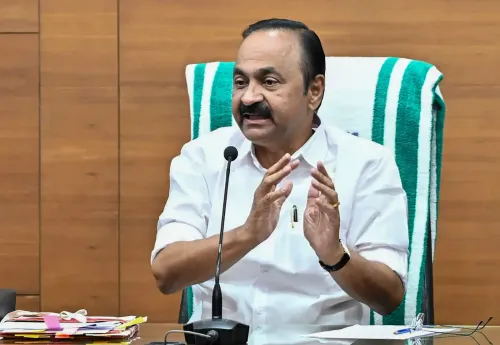
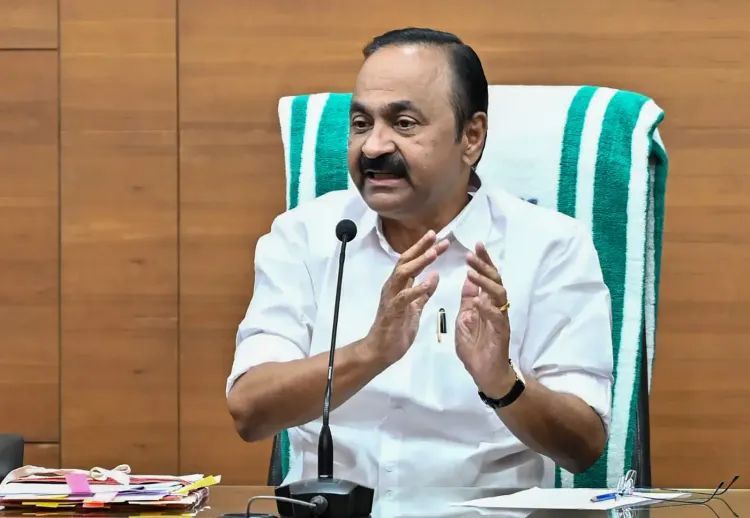
Kerala Chief Minister V.D. Satheesan on Thursday, 12 November 2026, announced a stepped-up inspection drive at fuel stations across the state following widespread concerns about irregularities in the supply and quality of E20 petrol — a blended fuel comprising up to 20 per cent ethanol and 80 per cent petrol. The government has warned of stringent legal action if violations are confirmed.
Samples Collected from Nine Pumps in Four Districts
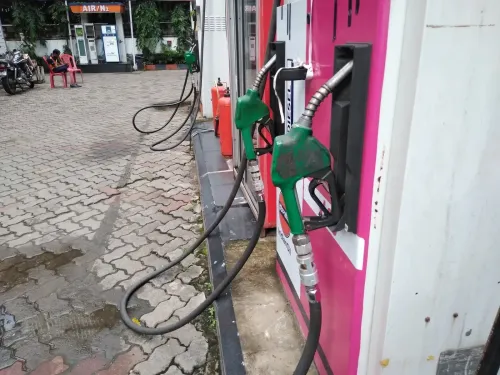
The Civil Supplies Department has already collected fuel samples from nine petrol pumps spread across four districts — Thiruvananthapuram, Ernakulam, Kozhikode, and Kannur. The samples are being tested for ethanol concentration levels and overall fuel quality to verify whether the prescribed blend ratio is being maintained at the pump level.
Results are expected within 10 days, Chief Minister Satheesan said in a Facebook post. The inspection drive will be expanded to cover additional fuel stations across the state in the coming days, the government confirmed.
What the Government Has Said
Satheesan stated that protecting consumer rights remains the government's foremost priority, and further steps will be taken to ensure motorists receive the quality of fuel they pay for. The Kerala government has explicitly warned that those found responsible for any irregularities will face stringent legal consequences.
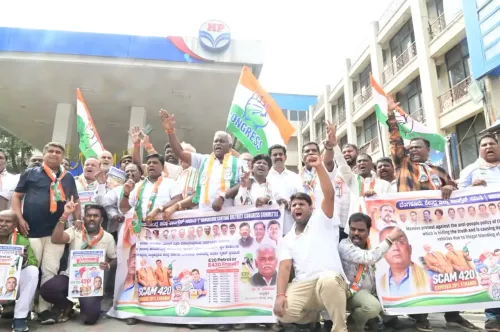
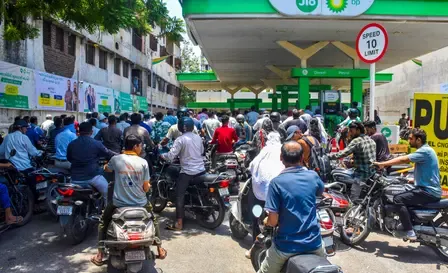
The move follows reports of alleged discrepancies in both the supply chain and the actual ethanol content of E20 petrol being dispensed at pumps, raising concerns among motorists about whether they are getting compliant fuel.
E20 and the National Ethanol Blending Programme
The inspection drive carries broader significance as E20 petrol is a key component of the Centre's ethanol blending programme, designed to reduce India's dependence on imported crude oil and accelerate the adoption of renewable fuel sources. As more petrol stations across Kerala and the country transition to higher ethanol blends, quality control has become increasingly critical.
Notably, this is not the first time ethanol-blended fuels have drawn scrutiny — quality monitoring has been an ongoing challenge nationally as the blending programme scales up. The absence of consistent retail-level testing infrastructure has previously been flagged by consumer groups as a systemic gap.
What Happens Next
The results from the nine sampled pumps are expected to determine whether formal enforcement action will be initiated. If irregularities are confirmed, the Civil Supplies Department is expected to escalate action to cover a wider network of fuel stations. Industry observers say effective monitoring at the retail end is essential to maintaining public trust in the blending programme as ethanol proportions increase over time.
Point of View
But unless the results trigger a permanent third-party monitoring mechanism, this risks being a one-off response that the pump network can simply wait out. The broader question — whether state governments have adequate legal authority to penalise oil marketing companies over blend non-compliance — remains unanswered.
NationPress
12 Nov 2026
Frequently Asked Questions
What are the concerns about E20 petrol in Kerala?
Reports of alleged irregularities in the supply and quality of E20 petrol have emerged in Kerala, with questions over whether the prescribed ethanol content of up to 20 per cent is actually being maintained at petrol pumps. The concerns prompted the Kerala government to initiate a statewide inspection drive.
How many petrol pumps are being inspected and where?
The Civil Supplies Department has collected fuel samples from nine petrol pumps across four districts — Thiruvananthapuram, Ernakulam, Kozhikode, and Kannur. The government has confirmed that inspections will be extended to more stations across Kerala in the coming days.
When will the E20 fuel test results be available?
Chief Minister V.D. Satheesan has said the results of the fuel quality tests are expected within 10 days. The samples are being tested for ethanol concentration and overall fuel quality.
What action will the Kerala government take if violations are found?
The Kerala government has warned of stringent legal action against those responsible if irregularities are confirmed. Chief Minister Satheesan has stated that protecting consumer rights is the government's priority.
What is E20 petrol and why does it matter?
E20 petrol is a fuel blend containing up to 20 per cent ethanol and 80 per cent petrol, promoted under the Centre's national ethanol blending programme to reduce dependence on imported crude oil. Quality control at the retail level is critical to ensuring consumers receive the blend they pay for, and that vehicle engines — which are increasingly being designed around E20 compatibility — are not harmed by non-compliant fuel.