UPST agitation ends after 17 days as Kerala minister assures rank holders
Synopsis
Seventeen days of protest outside the Kerala Secretariat ended when Education Minister N. Shamsudeen promised to halt fresh PSC notifications issued without reporting existing vacancies — the central grievance of UPST rank holders who fear their approved lists will lapse before they ever get appointed. The government now has 45 days to deliver.
Key Takeaways
The UPST Rank Holders Association called off its 17-day agitation outside the Kerala Secretariat on 14 August .
General Education Minister N.
Shamsudeen assured protesters that key demands — including halting fresh PSC notifications without reporting vacancies — would be examined sympathetically.
The government sought 45 days to study complex demands around HTV post appointments and the teacher-student ratio in government schools.
Shamsudeen directed the Director of General Education to explore filling vacancies in Model Residential Schools and Fisheries Schools from existing district rank lists.
The settlement gives rank holders a renewed window to secure appointments before their rank list expires .
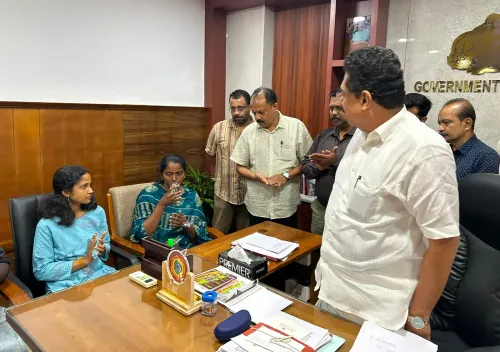
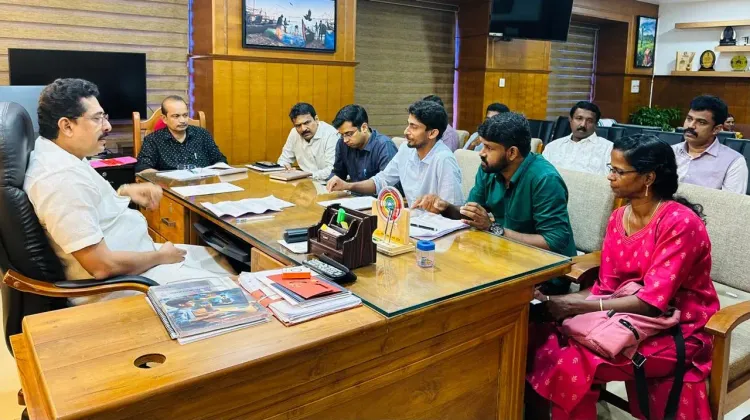
A 17-day protest by the Upper Primary School Teacher (UPST) Rank Holders Association outside the Kerala Secretariat in Thiruvananthapuram was called off on Friday, 14 August, after General Education Minister N. Shamsudeen assured demonstrators that their key demands would be examined and favourable decisions taken wherever possible. The breakthrough came following a crucial meeting between the Minister and association representatives.
What the Protesters Demanded
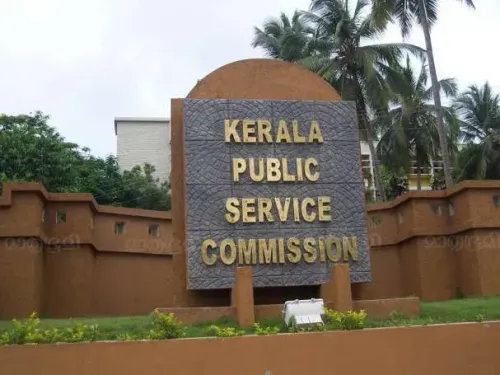
At the heart of the agitation was the Kerala Public Service Commission (PSC) practice of issuing fresh recruitment notifications without adequately reporting existing vacancies. Rank holders argued this was systematically shrinking their chances of securing appointments before their rank list expired. They also sought the extension of the validity of the existing rank list and the appointment of PSC candidates to HTV (High Time Value) posts.
A further demand concerned the teacher-student ratio in government schools where teaching posts are reportedly facing abolition — an issue with direct consequences for both educators on the rank list and students in those institutions.
What the Government Promised
Minister Shamsudeen assured the association that the demand to stop issuing PSC notifications without first reporting vacancies would be considered sympathetically. He also committed to examining the rank list validity extension so that more candidates could secure appointments before the list lapses.
On the more complex demands — HTV post appointments and the teacher-student ratio issue — the government sought 45 days to conduct a detailed examination. Shamsudeen directed the Director of General Education to look into filling vacancies in Model Residential Schools and Fisheries Schools from existing district-level upper primary rank lists, after representatives flagged that these institutions were functioning without adequate upper-primary teachers.
Why This Agitation Mattered
The protest drew attention because it exposed a structural tension within Kerala's public education recruitment system: candidates already on approved rank lists were being bypassed as the PSC continued to float new notifications. This is not an isolated grievance — rank holder associations across Kerala have periodically raised similar concerns about the gap between listed vacancies and actual appointments.
Notably, the agitation lasted 17 days in front of the Secretariat, indicating the depth of frustration among candidates who had cleared competitive examinations but were still awaiting postings. The spotlight on Model Residential Schools and Fisheries Schools also surfaced a previously under-reported staffing gap at the upper-primary level in these specialised institutions.
What Happens Next
With the government given a 45-day window to study the contentious demands, the association will be watching closely for concrete action. The settlement offers rank holders a renewed possibility of appointments before their list expires, but the outcome hinges on whether the government translates its assurances into verifiable decisions within the agreed timeframe.
Point of View
Not a structural fix. The core problem — PSC issuing fresh notifications while existing rank lists go unfilled — reflects a systemic accountability gap in Kerala's public recruitment machinery. Shamsudeen's assurances are sympathetic in tone but non-binding in form; the 45-day review period kicks the harder decisions down the road. If the government does not act on rank list validity extension and HTV appointments within that window, a second agitation becomes likely. The surfacing of staffing shortfalls in Model Residential and Fisheries Schools is the most underreported element here — it suggests the vacancy problem is wider than the Secretariat protest captured.
NationPress
28 Sept 2026
Frequently Asked Questions
Why did the UPST rank holders agitate outside the Kerala Secretariat?
The UPST Rank Holders Association protested for 17 days against the PSC practice of issuing fresh recruitment notifications without adequately reporting existing vacancies, which they argued was reducing their chances of appointment before their rank list expired. They also sought extension of rank list validity and appointments to HTV posts.
What did Education Minister N. Shamsudeen promise the protesters?
Minister Shamsudeen assured the association that the demand to stop issuing PSC notifications without first reporting vacancies would be considered sympathetically, and that rank list validity extension would also be examined. He directed the Director of General Education to look into filling vacancies in Model Residential Schools and Fisheries Schools from existing rank lists.
How long does the government have to act on the demands?
The Kerala government sought 45 days to examine the more complex demands, including HTV post appointments and the teacher-student ratio issue in government schools where teaching posts face abolition. Simpler demands are expected to be addressed sooner.
What is the significance of the Model Residential Schools and Fisheries Schools issue?
During discussions, it emerged that these specialised institutions were functioning without adequate upper-primary teachers. The Minister directed officials to explore filling those vacancies from existing district-level UPST rank lists, potentially opening a new avenue of appointments for rank holders.
What happens if the government does not fulfil its assurances within 45 days?
The association accepted the Minister's assurances and withdrew the protest on that basis. If the government fails to act within the agreed 45-day window, rank holders could resume agitation, particularly given the risk of their rank list lapsing before appointments are made.