RSS transparency row: Karnataka's Kharge fires back at BJP over Bhagwat letter
Synopsis
Karnataka Minister Priyank Kharge's letter to RSS chief Mohan Bhagwat has ignited a full-blown political brawl: Kharge invokes 4,120 shakhas and 5,000 route marches to demand constitutional accountability, while BJP's R. Ashoka counters with allegations of Congress's own ideological contradictions and Kharge's personal ambitions. The row lays bare a deeper, unresolved question about whether large civic organisations should face public transparency norms.
Key Takeaways
Karnataka Minister Priyank Kharge defended a letter addressed to RSS chief Mohan Bhagwat on 16 June , calling demands for transparency constitutional and legitimate.
Kharge cited the RSS's 4,120 shakhas and nearly 5,000 route marches as grounds for seeking accountability on how mass mobilisations are organised.
BJP Leader of the Opposition R.
Ashoka accused Congress of lacking moral authority, pointing to its electoral alliance with the Indian Union Muslim League (IUML) .
Ashoka alleged Kharge was targeting the RSS to boost his profile within Congress and position himself as a future chief ministerial contender .
The controversy also references alleged pro-Pakistan slogans near Vidhana Soudha , which Ashoka accused Kharge of failing to address.
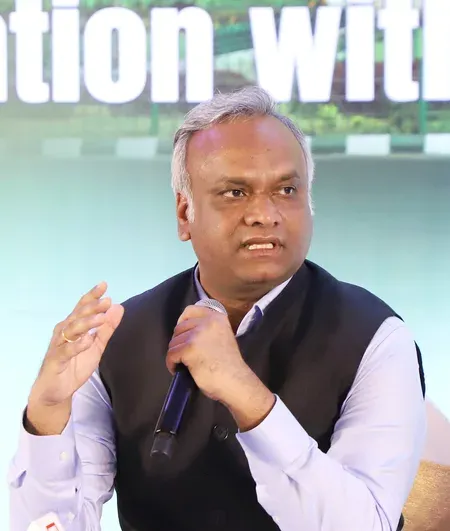
Karnataka Minister Priyank Kharge on 16 June sharply rebutted Bharatiya Janata Party (BJP) leaders who criticised a letter addressed to Rashtriya Swayamsevak Sangh (RSS) chief Mohan Bhagwat, insisting that demanding transparency and constitutional accountability from any organisation is entirely legitimate. The dispute has deepened an already charged political standoff in Bengaluru between the ruling Congress and the opposition BJP over the RSS's public activities.
What Kharge Said
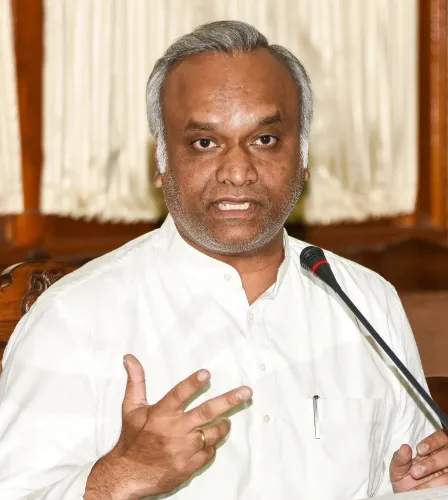
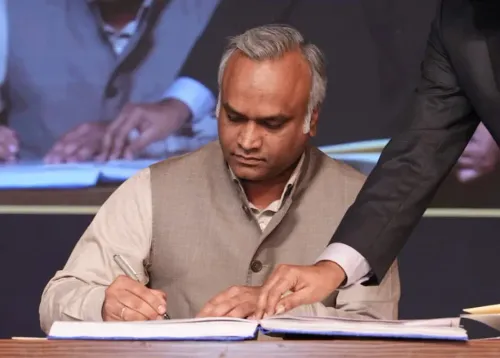
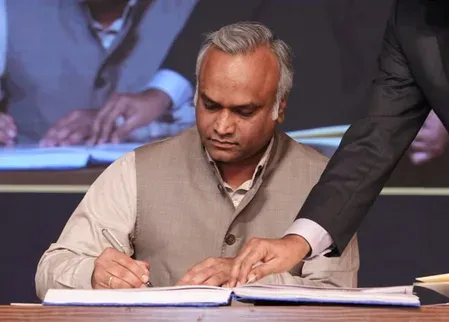
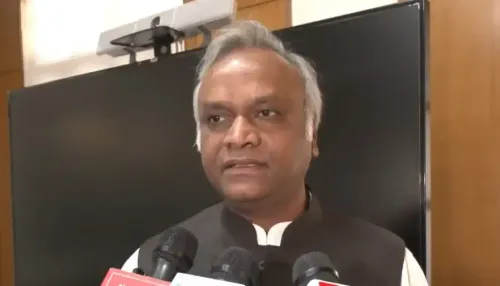
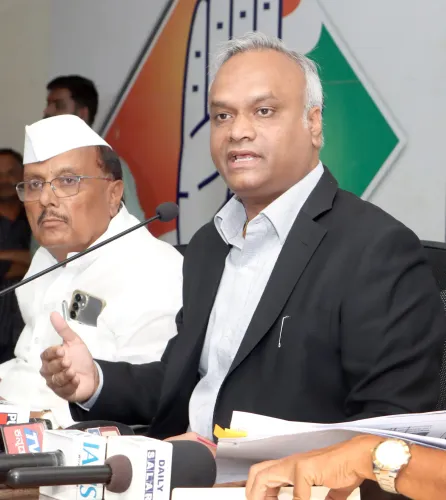
Speaking to reporters, Kharge challenged the BJP's pushback with pointed questions. 'Is it wrong to ask for transparency? Is it wrong to ask organisations to function under the Constitution?' he said. The minister stressed that his concerns were not personal but drawn from reports about the RSS's own operations.
Kharge cited the scale of the organisation's footprint as the basis for his demand. 'The RSS has around 4,120 shakhas and has conducted nearly 5,000 route marches. When lakhs of people are mobilised for such programmes, shouldn't there be transparency about how these gatherings are organised?' he asked. He maintained that every organisation, without exception, must operate within the law and remain answerable to constitutional norms.
BJP's Counterattack
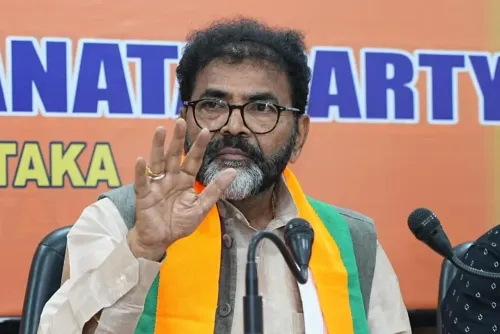
Senior BJP leader and Leader of the Opposition R. Ashoka launched a forceful rebuttal, questioning Congress's moral standing to scrutinise the RSS. Ashoka alleged that the Congress had formed electoral alliances with the Indian Union Muslim League (IUML) for political gain and was governing in two states with its support — arguing this disqualified the party from criticising the RSS.
Ashoka also referenced a controversy over alleged pro-Pakistan slogans reportedly raised near Vidhana Soudha, accusing Kharge of defending those involved and declining to act. 'The RSS has dedicated itself to the service of Mother India for nearly 100 years without seeking anything in return. Questioning its legality and patriotism is not only laughable but also shameful,' Ashoka said.
Political Motivations Alleged
Ashoka went further, alleging that Kharge's criticism of the RSS was driven by internal Congress ambitions rather than genuine governance concerns. He claimed the minister was attempting to attract the attention of the Congress leadership in New Delhi and position himself as a future chief ministerial contender in Karnataka.
Ashoka also alleged that Kharge had underperformed in his ministerial portfolios — including Information Technology and Biotechnology, Rural Development, and responsibilities relating to Kalaburagi district — and was using RSS criticism to deflect from governance shortcomings.
Broader Context
The row centres on a letter addressed to RSS chief Bhagwat, the contents of which triggered the BJP's objections and Kharge's subsequent defence. This comes amid a wider national debate over the accountability of large civic and ideological organisations that operate outside conventional regulatory frameworks. Notably, the RSS has historically maintained that it functions as a cultural organisation and is not subject to the same disclosure norms as political parties or registered trusts. The Congress-BJP clash in Karnataka reflects that unresolved tension at the state level.
With Karnataka's political climate already heated, both parties are expected to keep the controversy alive in the run-up to local electoral cycles.
Point of View
Unresolved question in Indian public life: should organisations with the RSS's scale — thousands of branches, lakhs of participants — be subject to formal transparency norms? Congress's demand is constitutionally coherent on its face, but the BJP's counter that the party's own alliance choices undercut its credibility is not without political force. What both sides are avoiding is a substantive policy answer: what specific disclosures should large civic organisations make, and who enforces them? Until that question is answered, this row will repeat itself every election cycle, generating heat but no accountability framework.
NationPress
15 Sept 2026
Frequently Asked Questions
What is the RSS transparency row in Karnataka about?
The controversy centres on a letter addressed to RSS chief Mohan Bhagwat by Karnataka Minister Priyank Kharge, which sought transparency and constitutional accountability from the organisation. Kharge cited the RSS's 4,120 shakhas and nearly 5,000 route marches as reasons why its large-scale public activities warrant scrutiny.
Why is the BJP opposing Kharge's demand for RSS transparency?
BJP Leader of the Opposition R. Ashoka argued that Congress lacks the moral authority to question the RSS, pointing to the party's electoral alliance with the Indian Union Muslim League (IUML). Ashoka also accused Kharge of failing to act against alleged pro-Pakistan sloganeering near Vidhana Soudha, calling his RSS criticism hypocritical.
What did Priyank Kharge say in his defence?
Kharge said that demanding transparency and constitutional compliance from any organisation is neither wrong nor unconstitutional. He stressed that his concerns were based on reports about the RSS's own operations, not personal bias, and that all organisations must function within the law.
What political motivations did the BJP allege against Kharge?
R. Ashoka alleged that Kharge was targeting the RSS to gain favour with the Congress high command in New Delhi and strengthen his position as a potential chief ministerial candidate in Karnataka. Ashoka also claimed Kharge had underdelivered in his IT, Rural Development, and Kalaburagi portfolios.
What is the RSS's position on such accountability demands?
The RSS has historically described itself as a cultural organisation and has not publicly accepted that it is subject to the same disclosure norms as political parties or registered trusts. The current controversy has not yet produced a formal response from the RSS to Kharge's letter.