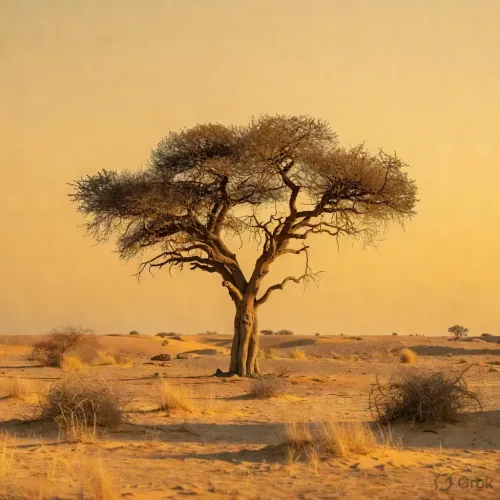
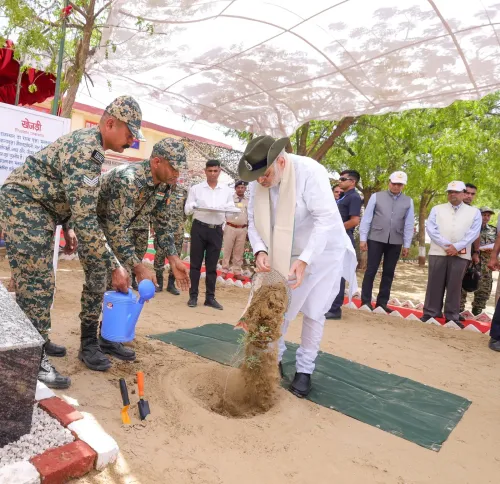
Is the Plan to Cut 5 Million Khejri Trees in West Rajasthan a Cause for Alarm?
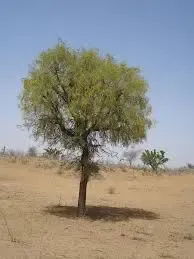
Synopsis
Amid rising concerns over environmental degradation, MLA Ravindra Singh Bhati warns of plans to cut down 5 million Khejri trees in western Rajasthan. He calls for immediate government intervention to protect this vital desert species, stressing the urgent need for a conservation law to safeguard the ecological balance and traditional livelihoods.
Key Takeaways
Khejri trees are essential for the ecological balance in Rajasthan.
5 million trees are at risk of being cut down soon.
Public movements have initiated to save the Khejri tree.
Immediate government intervention is crucial for conservation.
The legacy of conservation is threatened in the region.
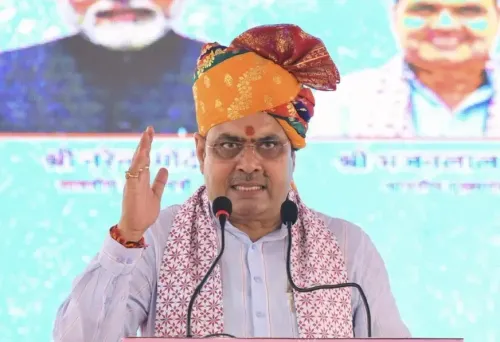
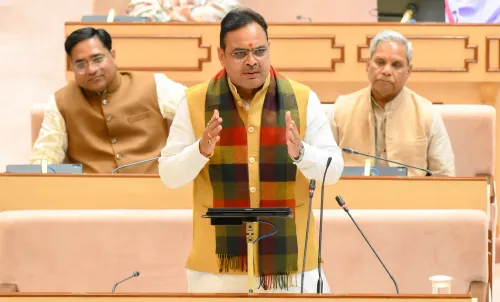
Jaipur, Jan 29 (NationPress) During Zero Hour in the Rajasthan Legislative Assembly on Thursday, Independent MLA Ravindra Singh Bhati expressed profound worries regarding the extensive logging of Khejri trees in western Rajasthan, alerting that preparations were afoot to fell nearly 5 million trees in the area. He implored the state government to promptly implement a Khejri conservation law to safeguard this iconic desert species.
In his address, Bhati emphasized that the Khejri tree is not just a plant; it is the essence of life, water, and sustenance in the dry landscape, serving as the state tree of Rajasthan.
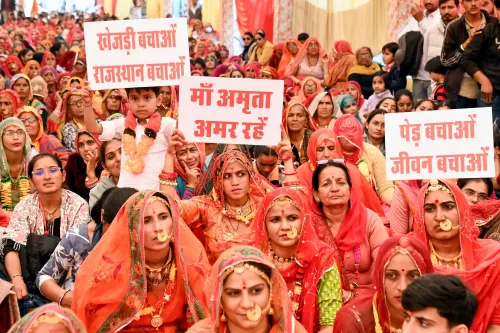
He recalled the historic sacrifice made by Amrita Devi Bishnoi and 363 others who laid down their lives for the protection of Khejri trees, stating that this legacy of conservation is now under significant threat.
Bhati highlighted that the indiscriminate felling of Khejri trees is inflicting irreversible harm to the environment, ecology, culture, and socio-economic equilibrium of western Rajasthan.
Informed the Assembly that over the past 15 years, more than 2.6 million Khejri trees have already been cut down in the districts of Jodhpur, Jaisalmer, Bikaner, and Barmer.
He cautioned of a potentially larger ecological disaster, with plans in place to further cut down an additional 5 million Khejri trees soon, exacerbating desertification and jeopardizing traditional livelihoods.
Bhati further pointed out that Rajasthan’s state tree (Khejri), state animal (camel), and state bird (Great Indian Bustard) are all facing extinction risks, while migration from western Rajasthan is increasing due to ecological decline. He noted that public movements have already emerged across the region to protect the Khejri tree.
Calling for immediate government action, Bhati demanded the establishment of strict and thorough laws for Khejri conservation, emphasizing that safeguarding the tree is crucial for preserving Rajasthan’s ecological heritage and the future of its desert communities.
Point of View
We recognize the gravity of MLA Bhati's call to action regarding Khejri trees. This situation embodies a crucial intersection of environmental conservation and socio-economic stability in Rajasthan. The ongoing discourse surrounding Khejri conservation reflects our collective responsibility towards preserving our ecological heritage for future generations.
NationPress
27 Sept 2026
Frequently Asked Questions
Why are Khejri trees important?
Khejri trees are vital for life, water, and livelihoods in arid regions, serving as a crucial component of Rajasthan's ecology.
What is being done to protect Khejri trees?
Independent MLA Ravindra Singh Bhati is advocating for immediate government action to enact a Khejri conservation law.
How many Khejri trees have been cut down?
Over the last 15 years, more than 2.6 million Khejri trees have already been felled in various districts of Rajasthan.
What are the risks of cutting down Khejri trees?
Felling Khejri trees can lead to ecological degradation, loss of biodiversity, and socio-economic imbalance in the region.
Who was Amrita Devi Bishnoi?
Amrita Devi Bishnoi is known for her heroic sacrifice in the late 18th century to protect Khejri trees, symbolizing the fight for environmental conservation.