Kiran Bedi proposes civil defence as first line in student protests
Synopsis
Veteran IPS officer Kiran Bedi has proposed a structural rethink of how India handles student protests — put civil defence personnel at the front, keep riot police in reserve. The idea, floated days after Delhi Police faced 'brutality' allegations during the CJP's 'Sansad Chalo' march, could shift accountability away from the force and onto the demonstrators themselves.
Key Takeaways
Kiran Bedi proposed on 23 July that civil defence personnel, not riot police, should be the first point of contact during student agitations.
Civil defence units would carry cane shields, body armour, and helmets but no sticks; riot police would stand by for life-and-property emergencies only.
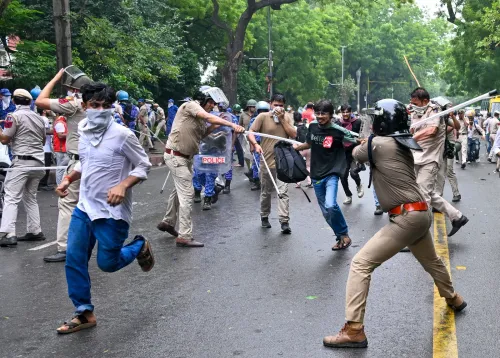
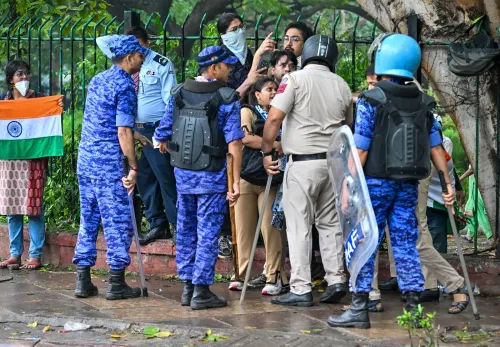
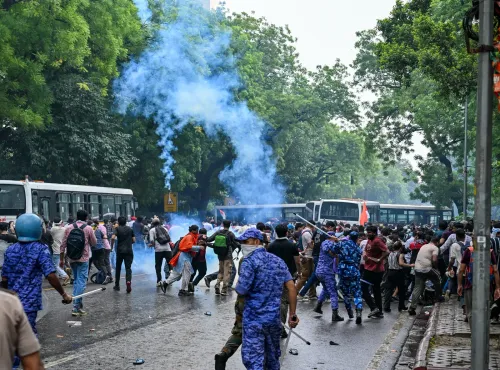
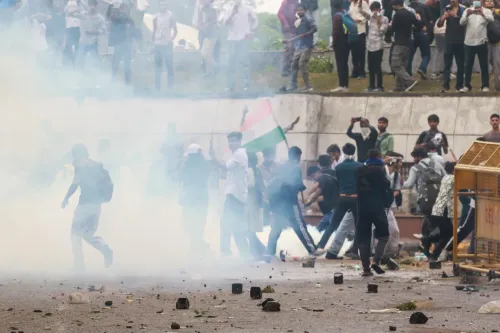
The suggestion follows Delhi Police facing 'brutality' allegations after the CJP-led 'Sansad Chalo' march on 20 July .
Bedi noted civil defence and home guard personnel are already recruited and on state payrolls across India, making rapid deployment feasible.
She argued the model would make civil defence personnel witnesses , reducing cycles of allegations and counter-allegations against the police.
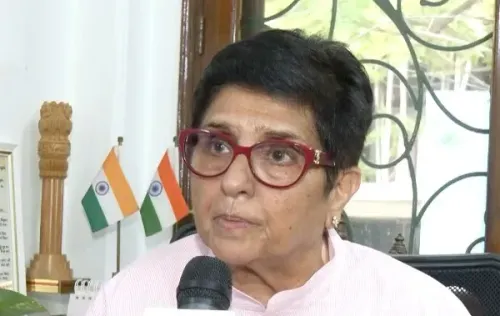
Former Indian Police Service (IPS) officer Kiran Bedi on Thursday, 23 July proposed deploying civil defence personnel — rather than riot police — as the primary contact force during student agitations, arguing the shift would reduce direct confrontations and shield the police from allegations of excessive force. The suggestion comes in the wake of criticism directed at the Delhi Police over its handling of student protesters during the Cockroach Janta Party (CJP)-led 'Sansad Chalo' march on 20 July.
What Bedi Proposed
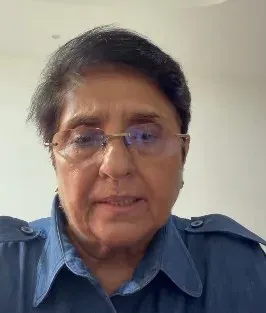
In a self-made video posted on her official X account, Bedi drew an analogy with border security: 'On the same line just as the Border Security Force (BSF) is deployed at the border and the soldier does not come in the first contact. The first contact on the borders is BSF. Similarly, the first contact in a students' agitation should be the civil defence.'
She specified that civil defence personnel could be equipped with cane shields, body armour, and helmets, but would not carry sticks. Riot police, under her proposal, would remain on standby — stepping in only to protect life and property, or if the civil defence line were overwhelmed.
The Rationale Behind the Idea
Bedi emphasised that civil defence units are already present across every state in India, making rapid mobilisation feasible. 'This means we can quickly mobilise, retrain and deploy them for student agitations. This way confrontations with the police force and allegations too can be avoided. A lot of time and energy can be saved,' she said.
In a separate post on X, she noted that civil defence and home guard members are 'recruited, young men and women on the pay rolls' — underscoring that the infrastructure already exists without fresh hiring.
Shifting Accountability to Demonstrators
Bedi argued that placing civil defence as the first point of contact would also recalibrate the burden of responsibility. 'This will place the onus on the student demonstrators to not provoke the coming in of riot police. Armed police come in only for saving life and property and will need a justification,' she said in her second post.
She added that civil defence personnel would effectively serve as witnesses, helping neutralise the cycle of allegations and counter-allegations that typically follows police action at protests. 'The Civil Defence hence becomes the witness. This will avoid allegations and counter allegations,' Bedi reiterated.
Context: Delhi Police Under Scrutiny
The proposal is directly linked to the controversy surrounding the Delhi Police's response to the CJP-led 'Sansad Chalo' march on 20 July, during which the force faced accusations of unleashing 'brutality' on student protesters. The incident drew widespread criticism and reignited the debate over how law enforcement should engage with peaceful or semi-peaceful demonstrations. Bedi, a former top cop herself, concluded the video with a measured qualifier: 'It is an idea worth consideration.'
What Happens Next
Bedi's proposal has no official backing as yet, but it enters an active policy conversation about crowd management and police reform. Whether state governments or the Union Home Ministry take cognisance of the idea remains to be seen. Civil society groups and student organisations are likely to weigh in as the debate around the 20 July crackdown continues to unfold.
Point of View
But it is not a substitute for accountability mechanisms that currently remain weak.
NationPress
22 Oct 2026
Frequently Asked Questions
What did Kiran Bedi suggest about handling student protests?
Kiran Bedi proposed that civil defence personnel, equipped with cane shields and body armour but no sticks, should serve as the first line of contact during student agitations, with riot police held in reserve. She argued this would reduce direct confrontations and protect the police from allegations of brutality.
Why did Kiran Bedi make this suggestion now?
The proposal came days after Delhi Police faced widespread criticism for allegedly using excessive force against student protesters during the CJP-led 'Sansad Chalo' march on 20 July. Bedi's remarks are a direct response to that controversy.
Is civil defence infrastructure already available across India?
Yes. Bedi pointed out that civil defence and home guard members are already recruited and on state payrolls across every state in India, making it feasible to retrain and deploy them for student agitations without establishing a new force.
How would this model shift accountability during protests?
Under Bedi's proposal, civil defence personnel would act as witnesses to events on the ground, placing the onus on student demonstrators not to escalate to the point where riot police are required. This, she argued, would reduce the cycle of allegations and counter-allegations that follows police action at protests.
Has the government responded to Kiran Bedi's proposal?
As of 23 July, there has been no official response from state governments or the Union Home Ministry. Bedi herself described the idea as 'worth consideration', signalling it is a policy suggestion rather than a formal recommendation.