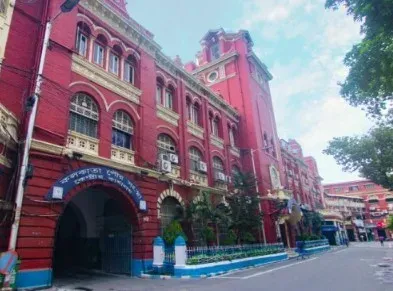
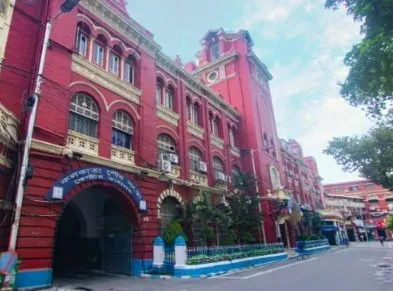
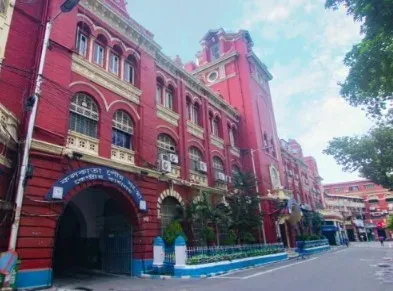
KMC's TDR law to shield Kolkata's 1,400 heritage buildings from demolition
Synopsis
Kolkata's civic body is drafting a law that lets heritage property owners sell development rights — worth twice the size of their protected building — to fund restoration. With over 1,400 heritage structures at risk and developers steadily replacing them with high-rises, the TDR model could be the city's most credible conservation tool yet, if it survives the legislative queue before November's KMC elections.
Key Takeaways
KMC has drafted a TDR-based law to protect Kolkata's 1,400+ heritage structures from demolition and neglect.
Owners of heritage buildings will receive additional FAR equivalent to twice the size of their protected property, sellable to developers.
Proceeds from TDR sales must be used for restoration and maintenance of the heritage structure.
The law draws from London's TDR model but adopts a phased approach — partial FAR sale first, remaining rights after renovation.
Of Kolkata's heritage buildings, 717 are Grade-I , 216 Grade-IIA , 119 Grade-IIB , and over 200 remain ungraded .
Implementation is unlikely before November 2025 , when fresh KMC elections are scheduled.
The Kolkata Municipal Corporation (KMC) is preparing a new law to protect the city's 1,400-plus heritage structures through a Transferable Development Rights (TDR) mechanism, offering property owners a financial route to fund restoration without resorting to demolition. The draft legislation has already been forwarded to the state Municipal Affairs and Urban Development Department for approval, according to senior KMC officials.
How the TDR Mechanism Works
Under the proposed framework, owners of heritage buildings will be granted additional Floor Area Ratio (FAR) equivalent to twice the size of their protected property. This additional development right can either be used on another plot they own or sold to developers, with the proceeds earmarked for restoring and maintaining the heritage structure.
Notably, the Kolkata model diverges from the London precedent it draws inspiration from. While London's TDR system requires renovation to be completed before financial benefits are released, the proposed Kolkata law envisions a phased approach — owners may first sell a portion of the additional FAR to fund initial restoration work, and monetise the remaining rights only after renovation is complete.
Why Existing Protections Have Fallen Short
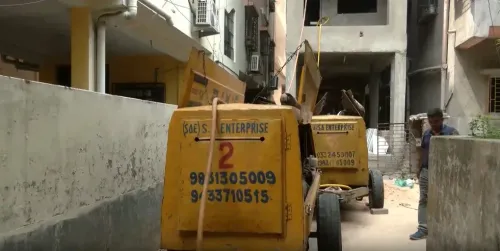
Kolkata's heritage properties currently receive concessions from the civic body, but officials acknowledge these benefits are often insufficient to cover the high maintenance costs of preserving ageing structures. The shortfall has led to neglect and gradual deterioration across several historically significant buildings. In a number of cases, heritage structures have reportedly been acquired by developers and replaced with commercial complexes or high-rise towers — a trend the proposed legislation aims to reverse.
This is not the first time the city has grappled with the tension between conservation and commercial pressure. The TDR model is being positioned as a sustainable middle path that allows owners to monetise unused development potential without compromising the heritage status of their properties.
Kolkata's Heritage Landscape by the Numbers
Of the city's roughly 1,400 heritage structures, 717 are classified as Grade-I, 216 as Grade-IIA, and 119 as Grade-IIB, while more than 200 buildings are yet to be graded. Protection for Grade-I and Grade-IIA structures is absolute, barring any alteration to their character. Grade-IIB buildings may undergo limited additions and modifications, while Grade-III structures can be demolished.
What Happens Next
The draft must be vetted by the Law Department and passed in the West Bengal Legislative Assembly before being placed before the Mayor-in-Council for implementation. Officials, however, indicated the law is unlikely to come into force before the formation of a new elected board following the Kolkata Municipal Corporation elections scheduled for November.
If enacted, the legislation could set a precedent for other Indian cities wrestling with the same conservation-versus-development dilemma, offering a replicable model for heritage protection through market-linked incentives.
Point of View
But its fate hinges on political timing — a law tethered to post-election board formation is a law that can be quietly shelved. More critically, Kolkata's heritage loss has accelerated precisely because existing concessions were too modest to compete with developer buyout offers; whether TDR proceeds will be ringfenced for restoration or diverted is the real enforcement question. The phased FAR-sale model is a pragmatic departure from London's renovation-first rule, but it also creates an incentive gap: owners could sell the first tranche of FAR and delay restoration indefinitely. Without a time-bound renovation covenant and third-party audit mechanism, the law risks becoming a development-rights windfall dressed up as conservation policy.
NationPress
25 Oct 2026
Frequently Asked Questions
What is the TDR mechanism KMC plans to use for heritage buildings?
Transferable Development Rights (TDR) allow owners of heritage buildings to receive additional Floor Area Ratio — equivalent to twice the size of their protected property — which they can sell to developers or use on another plot they own. The proceeds are intended to fund restoration and upkeep of the heritage structure, giving owners a financial incentive to preserve rather than sell to demolition-minded buyers.
How many heritage buildings does Kolkata have, and how are they classified?
Kolkata has approximately 1,400 heritage structures. Of these, 717 are Grade-I (absolute protection, no alterations permitted), 216 are Grade-IIA (also absolutely protected), 119 are Grade-IIB (limited additions allowed), and more than 200 remain ungraded. Grade-III structures can be demolished.
When will the new heritage protection law come into effect?
The draft has been sent to the state Municipal Affairs and Urban Development Department and must clear the Law Department and the West Bengal Legislative Assembly before going to the Mayor-in-Council. Officials say enforcement is unlikely before a new elected board is formed after the Kolkata Municipal Corporation elections scheduled for November.
How does Kolkata's proposed TDR model differ from London's?
London's TDR system requires property owners to complete renovation before they can access financial benefits. Kolkata's proposed law takes a phased approach — owners can sell part of their additional FAR upfront to fund initial restoration, and monetise the remaining development rights only after renovation is completed.
Why has heritage conservation in Kolkata been difficult so far?
Existing civic concessions for heritage property owners have generally been insufficient to cover the high maintenance costs of preserving old structures, leading to neglect and deterioration. In several cases, heritage buildings have reportedly been acquired by developers and replaced with commercial complexes or high-rises — the cycle the new TDR law aims to break.