Kolkata hospital security overhaul: Night patrols, CCTV at 5 govt facilities
Synopsis
The West Bengal government has ordered a ground-up security restructuring at five of Kolkata's largest public hospitals — introducing joint night patrols, wireless emergency systems, visitor screening, and a hawker-free perimeter. The move signals a direct administrative response to recurring safety concerns at public health facilities, with a staff database and stricter vehicle access adding an accountability layer rarely seen at this scale.
Key Takeaways
The West Bengal government on 20 May ordered a security overhaul at five major Kolkata hospitals : SSKM, Nil Ratan Sircar, RG Kar, National Medical College, and Calcutta Medical College.
Joint night patrols by police and private security personnel will be introduced on all five campuses.
Each hospital will receive wireless communication systems for emergency coordination with Lalbazar and local police stations.
Visitor entry restricted to designated hours ; outside vehicles barred except for patients' families, doctors, and healthcare workers.
A database of private security guards and ambulance operators is to be compiled within the next month .
Damage to hospital property will attract heavy fines and imprisonment under applicable legal provisions.
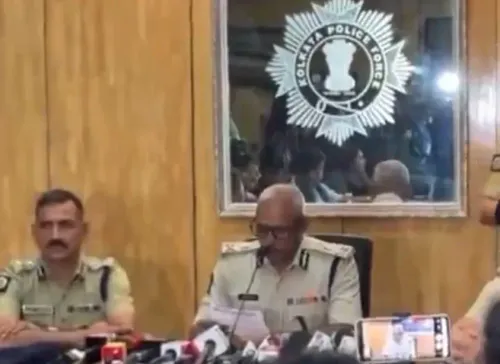
The West Bengal government on 20 May launched a sweeping security and infrastructure overhaul at five major government hospitals in Kolkata, with the Kolkata Police issuing formal directives to enforce stricter surveillance, tighter access control, and joint night patrols across all campuses. The move marks one of the most comprehensive security restructurings at the city's public health facilities in recent memory.
Hospitals Under the New Security Framework
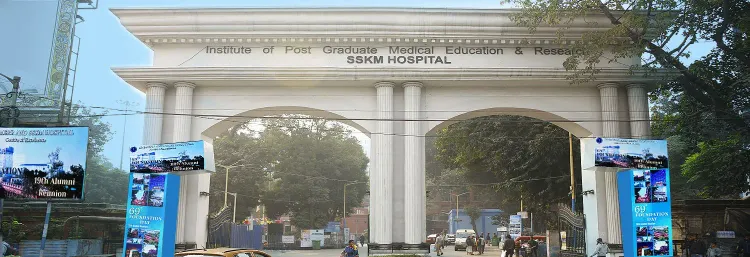
The five institutions covered under the directive are SSKM Hospital, Nil Ratan Sircar Medical College and Hospital, RG Kar Medical College and Hospital, National Medical College and Hospital, and Calcutta Medical College and Hospital. All five are among Kolkata's busiest public tertiary-care centres, collectively serving hundreds of thousands of patients annually.
Key Security Measures Announced
Each hospital will be equipped with wireless communication systems to enable rapid coordination during emergencies. Superintendents and principals of the medical colleges will remain in direct contact with local police stations, divisional control rooms, and Lalbazar — the headquarters of the Kolkata Police.
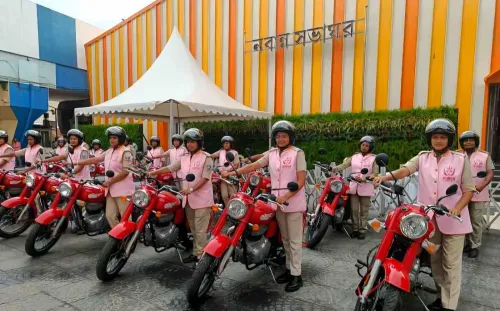
Joint night patrols involving police personnel and private security staff will be introduced on all campuses. The number of security guards at each facility is being increased, and strict screening of visitors and attendants will be enforced at entry points. Unrestricted movement inside hospital premises will no longer be permitted; relatives of patients will be allowed entry only during designated visiting hours.
Fire Safety and Infrastructure Upgrades
Hospitals have been directed to strengthen fire safety preparedness, ensuring that fire extinguishers and hydrants remain operational and ready for immediate deployment. Authorities have also been instructed to maintain close coordination with the fire department as part of the revised emergency response protocol.
Access Control and Campus Clean-Up
Entry of outside vehicles into hospital campuses will be restricted. Only vehicles belonging to patients' families, doctors, and healthcare workers will be permitted within the premises. Areas outside the main hospital gates are to be cleared of hawkers, and helpline numbers for doctors, nurses, and patients will be prominently displayed across campuses.
A comprehensive database of private security guards, ambulance operators, and other hospital-linked personnel is expected to be prepared within the next month. Officials warned that individuals causing damage to hospital property will face heavy fines and imprisonment under applicable legal provisions. 'Strict police surveillance will continue to prevent incidents of damage to government property due to minor disturbances,' a senior government official stated.
What Comes Next
With the database of security and ancillary staff due within a month, the administration appears to be laying the groundwork for long-term institutional accountability at these hospitals. Whether the measures translate into a sustained improvement in safety — particularly for healthcare workers, who have faced incidents of violence in recent years — will be closely watched by medical associations and civil society alike.
Point of View
And the inclusion of all five hospitals in a single directive suggests the government is attempting to get ahead of a broader narrative about institutional vulnerability at public health facilities. The measures announced are operationally sound, but the real test lies in enforcement consistency: Kolkata's public hospitals have seen periodic security drives before, none of which produced durable change. The database of ancillary staff is the most structurally significant element here — if implemented rigorously, it closes an accountability gap that has long allowed unverified personnel to operate inside sensitive medical spaces. Medical associations will be watching whether the night patrols translate into genuine protection for healthcare workers, or remain a headline measure.
NationPress
7 Oct 2026
Frequently Asked Questions
Which hospitals are covered under Kolkata's new security overhaul?
The five hospitals covered are SSKM Hospital, Nil Ratan Sircar Medical College and Hospital, RG Kar Medical College and Hospital, National Medical College and Hospital, and Calcutta Medical College and Hospital. The Kolkata Police issued formal directives to all five institutions on 20 May.
What new security measures are being introduced at Kolkata hospitals?
Key measures include joint night patrols by police and private security staff, wireless communication systems for emergency coordination, strict visitor screening at entry points, restricted vehicle access, and hawker-free zones outside hospital gates. Helpline numbers for doctors, nurses, and patients will also be displayed prominently.
Will visiting hours change for patients' relatives?
Yes. Relatives of patients will only be permitted entry during designated visiting hours under the new directives. Unrestricted movement inside hospital premises has been disallowed, and all visitors are subject to screening before entry.
What happens if someone damages hospital property?
Officials have warned that individuals who damage government hospital property will face heavy fines and imprisonment under various legal provisions. A senior government official stated that strict police surveillance will continue to deter such incidents.
When will the staff database be ready?
A comprehensive database of private security guards, ambulance operators, and other hospital-linked personnel is expected to be prepared within the next month, according to officials.