Kolkata Police Launch Hotel Surveillance Blitz Ahead of Phase 2 Polls on April 29

Synopsis
Kolkata Police have ordered all hotels, lodges, and guest houses to verify and report guest details to local police stations ahead of Phase 2 elections on April 29. With IPS officers personally manning night nakas and surveillance extended to budget lodges, the city is under its most comprehensive pre-poll security grid in recent memory.
Key Takeaways
Kolkata Police Commissioner Ajay Nand has ordered all city police stations to place every hotel, lodge, and guest house under surveillance ahead of Phase 2 elections on April 29, 2025 .
All accommodation establishments — including small budget lodges — must verify valid government-issued ID of every guest and report details to the local police station.
The directive specifically targets the influx of outsiders during election season, aiming to prevent electoral unrest and illegal activities.
Two IPS-rank officers have been assigned to each key night naka check-post to ensure senior-level accountability and eliminate supervisory lapses.
Surveillance has been heightened at railway stations, bus termini, and all major city entry points , alongside intensified mobile patrolling across sensitive zones.
Police officers are personally visiting hotel and lodge owners across Kolkata to explain compliance requirements under the new pre-poll security framework.
Kolkata Police have launched a sweeping hotel surveillance operation across the city ahead of the second phase of West Bengal Assembly elections on April 29, 2025, ordering all hotels, lodges, and guest houses to verify guest identities and report details to local police stations. The directive, issued from Lalbazar — the Kolkata Police headquarters — marks one of the most comprehensive pre-poll security drives the city has seen in recent election cycles. The move is aimed at preventing the infiltration of outsiders who may attempt to disrupt polling or engage in illegal activities.
Lalbazar Issues Citywide Directive to All Police Stations
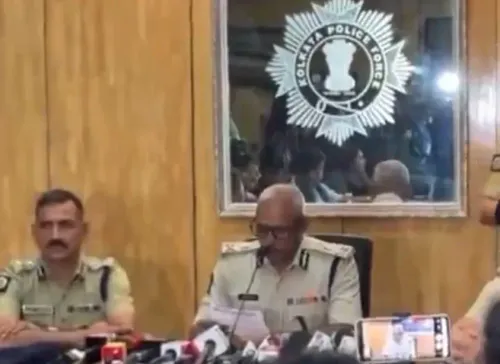
Kolkata Police Commissioner Ajay Nand has personally instructed every police station across the city to maintain strict surveillance over all accommodation establishments within their jurisdictions. The order covers not just star-rated hotels but also small budget lodges and roadside guest houses — establishments that have historically been flagged for lax identity verification practices.
Hotel and lodge owners have been formally directed to collect and verify valid government-issued identity documents from every guest and immediately share that information with the nearest police station. Officers from multiple police stations have already begun visiting accommodation owners in person to explain the new compliance requirements.
Focus on Outsiders and Election-Season Influx
A senior official at Lalbazar confirmed the rationale behind the crackdown, stating: "The influx of outsiders increases in the city during elections. This step has been taken to ensure that no one gets involved in any unrest or illegal activities during this period."
The police are specifically tracking who is arriving, their place of origin, stated purpose of visit, and duration of stay. This granular data collection is designed to flag suspicious patterns — such as large groups arriving from politically sensitive districts with no clear reason for visiting Kolkata just days before polling.
Notably, West Bengal elections have historically been accompanied by allegations of booth capturing, voter intimidation, and the movement of armed cadres across district lines — making the monitoring of transient populations a critical security priority. The Election Commission of India has previously flagged inter-district and inter-state movement of individuals with criminal antecedents during polling phases.
Night Nakas, IPS Officers, and Perimeter Security Activated
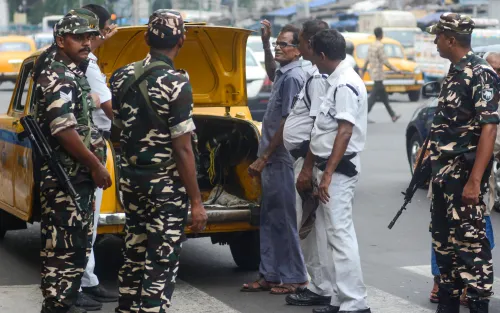
Beyond hotel surveillance, Kolkata Police have activated a multi-layered security architecture across the city. Night naka check-points have been established at key arterial roads, with two IPS-rank officers assigned to each critical check-post to ensure accountability and eliminate supervisory negligence at the ground level.
Mobile patrolling units have been deployed across sensitive zones, while additional police personnel have been positioned at railway stations, bus termini, and all major city entry points. The presence of senior IPS officers at night check-posts is a significant operational escalation — signalling that command-level officials are taking personal responsibility for enforcement rather than delegating entirely to constabulary staff.
Why This Security Surge Matters for Phase 2 Polling
West Bengal's Phase 2 elections on April 29 cover constituencies that have historically recorded incidents of electoral violence, making pre-poll security mobilisation a politically and administratively sensitive exercise. The deployment strategy reflects lessons from past elections where inadequate monitoring of transient populations contributed to post-poll violence and booth-related irregularities.
Critics and opposition parties have in previous cycles accused both ruling and opposition camps of ferrying in workers from outside to influence local polling dynamics — a practice that comprehensive hotel surveillance is now designed to counter. The data collected from accommodation registers could also serve as evidentiary material in case of post-election disputes or FIRs.
The Election Commission of India has maintained central observer deployments across West Bengal, and the Kolkata Police's proactive measures are likely to be viewed favourably as demonstrating institutional seriousness about free and fair polling.
What to Expect Next
With April 29 approaching, security intensity across Kolkata is expected to escalate further in the coming days. Section 144 prohibitory orders, additional central paramilitary deployment, and stricter vehicle checking are likely to follow as standard pre-poll protocol. Voters, hotel guests, and commuters should expect increased verification checks at entry points and public transit hubs through polling day and the immediate post-poll period.
Point of View
Which have traditionally been blind spots in enforcement. However, the real test is not the directive but its implementation: whether ground-level officers actually enforce compliance or whether the exercise remains largely performative ahead of Election Commission scrutiny. The deployment of IPS officers at night nakas suggests command-level awareness that past failures have been failures of supervision, not just manpower.
NationPress
24 Sept 2026
Frequently Asked Questions
Why is Kolkata Police monitoring hotels ahead of Phase 2 elections?
Kolkata Police are monitoring hotels to track the movement of outsiders who may enter the city to cause unrest or engage in illegal activities during the election period. Police Commissioner Ajay Nand has directed all police stations to collect guest details from every accommodation establishment in their area.
What information are hotels required to share with Kolkata Police?
Hotels, lodges, and guest houses must verify valid government-issued identity documents of every guest and share details including the guest's name, origin, purpose of visit, and duration of stay with the local police station. This applies to all establishments, including small budget lodges.
What other security measures has Kolkata Police deployed for Phase 2 polling?
Beyond hotel surveillance, Kolkata Police have activated night naka check-points, mobile patrolling units, and additional personnel at railway stations, bus termini, and city entry points. Two IPS-rank officers have been assigned to each key check-post to ensure strict oversight.
When is Phase 2 of the West Bengal Assembly election?
Phase 2 of the West Bengal Assembly election is scheduled for April 29, 2025. Kolkata Police have intensified security operations in the days leading up to polling day.
Who is the Kolkata Police Commissioner overseeing election security?
Kolkata Police Commissioner Ajay Nand is overseeing the pre-poll security measures. He has personally issued instructions to every police station in the city to monitor accommodation establishments and track the movement of outsiders.