Is Kolkata's Air Quality Worse than Delhi's?
Synopsis
Kolkata's air quality has alarmingly surpassed that of Delhi for a week, prompting calls for enhanced monitoring. Experts highlight the need for more air quality stations in crowded areas to provide accurate data and safeguard public health. The situation is critical, requiring immediate action from authorities to protect the city’s vulnerable populations.
Key Takeaways
Kolkata's air quality has worsened significantly, surpassing Delhi.
Experts demand more air quality monitoring stations in congested areas.
Current automatic stations are poorly located, failing to reflect real conditions.
Hazardous AQI levels have reached alarming heights.
The health of vulnerable populations is at serious risk.
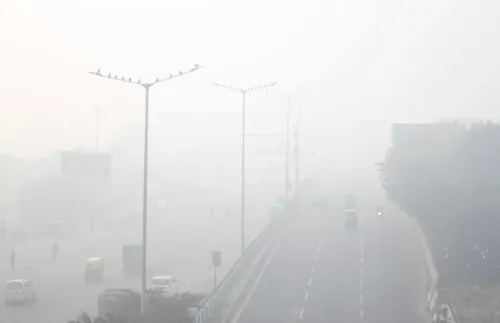
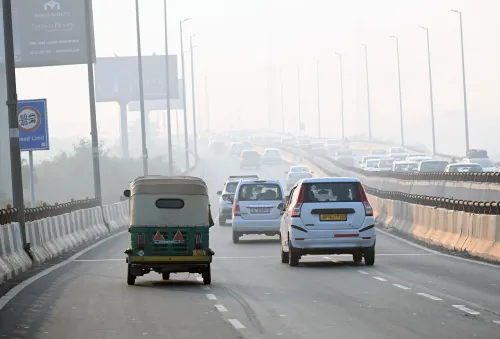
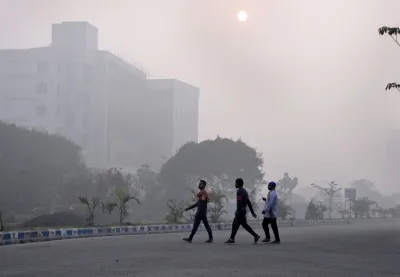
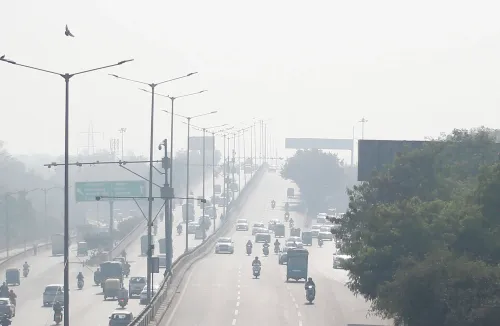
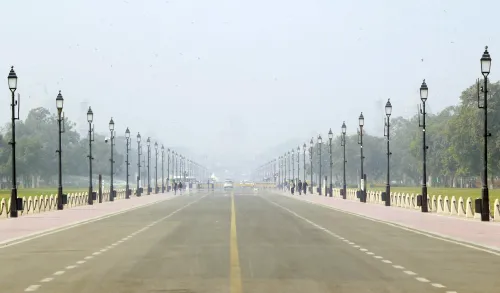
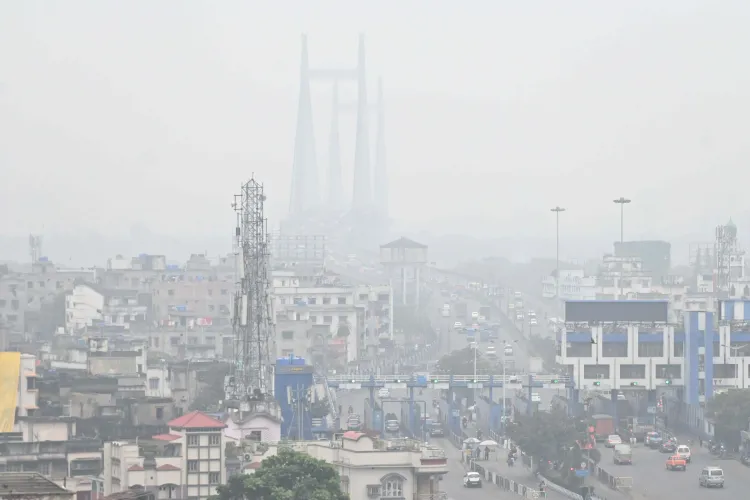
Kolkata, Dec 16 (NationPress) Following a significant rise in air pollution levels, with Kolkata surpassing Delhi for seven consecutive days, environmental advocates are urging the establishment of more automatic air quality monitoring stations in heavily populated and traffic-congested areas to gain a clearer understanding of the city’s air quality.
Green technologist and activist Somendra Mohan Ghosh emphasized the necessity for at least 20 automatic air quality monitoring stations throughout the metropolitan area to ensure reliable, real-time data.
“The current seven automatic air quality monitoring stations are poorly situated. We require these stations in high-density neighborhoods and congested sites like Moulali and Shyambazar. In their absence, data is gathered using manual machines, which isn't efficient. Automatic stations are essential for real-time updates, providing an accurate depiction of the city’s air quality,” Ghosh noted.
He pointed out that many existing stations are found in eco-sensitive areas, failing to represent the actual air quality faced by residents in more crowded locations.
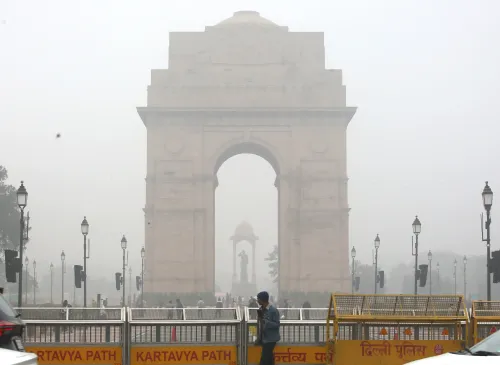
Kolkata's pollution levels exceeded those of Delhi from December 6 to 11. On December 11, at 6:04 PM, the city’s Air Quality Index reached a hazardous 439, while Delhi’s highest AQI that day was 345 at midnight.
During the 24-hour period from midnight on December 10 to midnight on December 11, Kolkata's lowest AQI was noted at 3:04 PM at 207. Conversely, Delhi recorded its lowest AQI at 4:04 PM at 169, lower than Kolkata's. However, post 11 PM on December 11, Kolkata’s AQI surged dramatically to 558. The PM10 levels reached 239 units, surpassing the permissible limit of 100 units, and PM2.5 levels were 188 units, exceeding the acceptable limit of 60 units, marking a potential all-time high for air pollution in the city.
In light of this deteriorating situation, Paschimbanga Vigyan Mancha, also referred to as the West Bengal Science Forum, expressed alarm and urged the State Pollution Control Board and the Health, Labour, and Child Welfare departments to take prompt action to mitigate pollution.
“We have noted that the air pollution levels in Kolkata have reached an alarming threshold, posing serious health risks. In this context, the West Bengal Science Forum demands immediate guidelines from the State Pollution Control Board for public safety. The Pollution Control Board and Health Department should collaborate on necessary measures regarding public health. The Labour Department needs to consider the well-being of outdoor workers. The government must prioritize the health of children, adolescents, women, and the elderly,” the forum stated.
The group’s general secretary, Sourav Chakraborty, cautioned about severe health consequences if timely actions are not implemented.
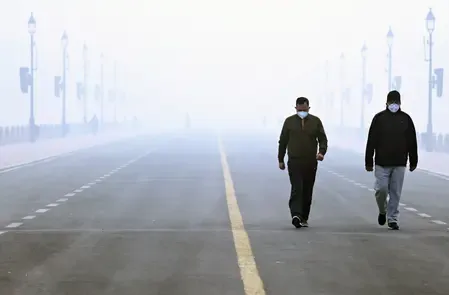
“The air pollution conditions in the city are dire. Ordinary citizens who venture outdoors for work will encounter various health issues, particularly lung-related problems and breathing difficulties. We call for immediate intervention in the public's interest, to prevent a situation akin to that in Delhi’s hospitals,” he asserted.
Point of View
It is crucial to recognize that the alarming rise in Kolkata's air pollution levels necessitates immediate attention and action. The health of residents, particularly vulnerable populations, is at stake, and it is imperative that government agencies respond proactively to this environmental crisis.
NationPress
29 Sept 2026
Frequently Asked Questions
What has caused the increase in air pollution in Kolkata?
The surge in air pollution levels is attributed to various factors, including traffic congestion, industrial emissions, and inadequate monitoring of air quality in densely populated areas.
How does Kolkata's air quality compare to Delhi's?
Kolkata's air quality has exceeded Delhi's for the past week, with alarming AQI levels reaching as high as 558.
What measures are being proposed to address the air quality issue?
Experts are calling for the establishment of more automatic air quality monitoring stations in crowded areas to obtain accurate real-time data on air pollution levels.
What health risks are associated with poor air quality?
Poor air quality poses serious health risks, including respiratory problems, lung diseases, and increased vulnerability for children, the elderly, and outdoor workers.
What actions can individuals take to protect themselves from air pollution?
Individuals can minimize exposure by staying indoors on days with poor air quality, using air purifiers, wearing masks outdoors, and advocating for cleaner air initiatives.