Article 370 abrogation at 6: Kulgam residents cite peace, jobs, development
Synopsis
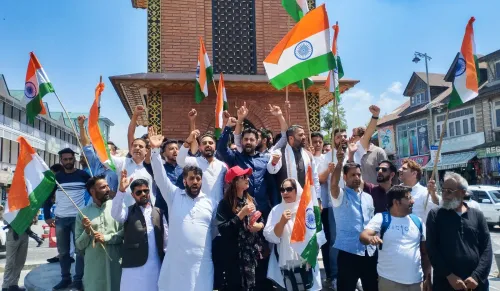
Six years after Article 370 was abrogated, residents of Kulgam — once a militancy-hit district in south Kashmir — describe a quieter, more connected region: cinema halls open after 30 years, Muharram processions after 35, and women walking safely after dark. Their accounts offer a ground-level counterpoint to the ongoing national debate over the constitutional change's legacy.
Key Takeaways
Article 370 was abrogated on 5 August 2019 , reorganising Jammu and Kashmir into two Union Territories.
Kulgam residents Basit Dar , Shabir Ahmad , and Faheem cited improved security, infrastructure, and tourism as gains since 2019 .
Dar noted that Muharram processions resumed after 35 years and cinema halls reopened after 30 years following the abrogation.
Ahmad pointed to construction of bridges , an AIIMS facility, and colleges as visible development outcomes in the district.
Opposition parties including the National Conference and PDP continue to contest the government's narrative and have called for statehood restoration.
The Supreme Court upheld the abrogation of Article 370 in December 2023 .
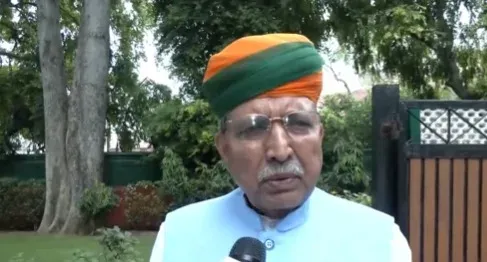
Six years after the abrogation of Article 370 on 5 August 2019, residents of Kulgam in Jammu and Kashmir say the constitutional change has brought measurable improvements in security, infrastructure, and economic opportunity to a district once marked by persistent unrest. On the anniversary of the decision, locals credited the Prime Minister Narendra Modi-led government with transforming everyday life in the region.
Voices from Kulgam
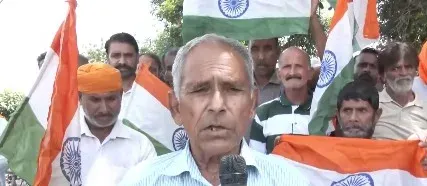
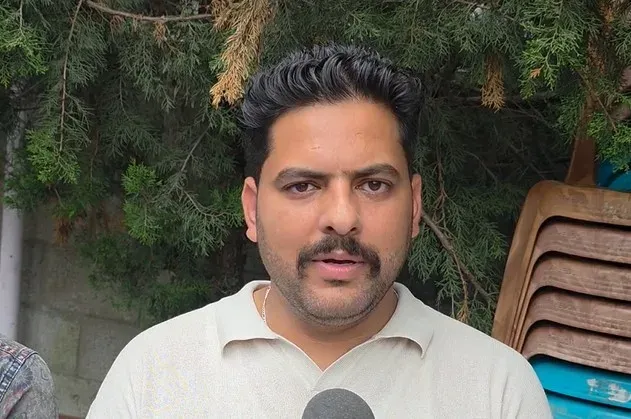
Local resident Basit Dar said the years before 2019 were defined by closures and fear. 'Since the abrogation of Article 370, we joined the mainstream. Earlier, the schools, offices and colleges used to remain closed for months. There were many problems. There were repeated protests; markets used to remain closed. After 35 years, Muharram procession was taken out, after 30 years, the cinema halls reopened,' he said.
Dar also pointed to a shift in the security environment. 'Our mothers and daughters are safe here now; they even go on a walk after dinner, and we do not fear for our safety,' he said, adding that there had been no reported civilian killings or stone-pelting incidents in Kulgam since the abrogation.
Another resident, Shabir Ahmad, described 5 August as historically significant. 'Removing and adding 370 isn't some story but a history that Modi ji has created,' he said, citing the construction of bridges, an AIIMS facility, and colleges as visible development outcomes. Ahmad also expressed political views, predicting that the Bharatiya Janata Party (BJP) would form the next government in the Union Territory — a claim that reflects local sentiment but not any electoral outcome.
Youth Perspective on Integration and Opportunity
A younger resident, Faheem, said the decision had connected Jammu and Kashmir with the rest of India in a tangible way. 'This day is important in the history of Jammu and Kashmir and the whole of India. This decision has connected Jammu and Kashmir with all the states,' he said.
Faheem noted that tourism had expanded and employment opportunities had grown since 2019. He also recalled the human cost of earlier unrest, saying that pellet gun injuries had affected residents, and attributed the instability to the political conditions that existed before the constitutional change. 'All the political parties who used to rule J&K before 2019 ruined our future, ruined the youth of J&K. We just want that peace prevails in the region,' he said.
Background: What Article 370 Was and What Changed
Article 370 became part of the Constitution of India when it came into force in 1950. It granted special autonomous status to the erstwhile state of Jammu and Kashmir, making it one of the most debated constitutional provisions in Indian history.
On 5 August 2019, the provision was rendered inoperative through a Presidential Order. Simultaneously, Jammu and Kashmir was reorganised into two separate Union Territories — Jammu and Kashmir and Ladakh — ending its earlier constitutional arrangement. The move was challenged in the Supreme Court, which upheld the abrogation in December 2023.
Broader Context
The accounts from Kulgam residents reflect a strand of local opinion that associates the post-2019 period with greater stability. Kulgam was historically among the districts most affected by militancy in south Kashmir. Notably, the district has seen a reduction in reported militant incidents in recent years, according to official security assessments, though critics and opposition parties — including the National Conference and the Peoples Democratic Party (PDP) — have contested the government's framing of the abrogation's legacy and continue to call for statehood restoration. The full political and socioeconomic impact of the constitutional change remains a subject of ongoing national debate.
As Jammu and Kashmir observes the sixth anniversary of the abrogation, the question of statehood restoration and the holding of assembly elections — now completed — will shape the next chapter of the Union Territory's governance.
Point of View
Not a comprehensive audit of the abrogation's impact. Ground-level gains in security and civic normalcy are real and documented, but the district's development metrics, employment data, and political freedoms have not been independently verified at scale. What mainstream coverage often misses is that both narratives can coexist: genuine improvement in daily life alongside unresolved questions about democratic representation, press freedom, and the delayed restoration of statehood. The sixth anniversary is less a moment of closure and more a marker of how much the post-370 settlement remains contested — in courts, in political campaigns, and on the ground.
NationPress
19 Sept 2026
Frequently Asked Questions
What was Article 370 and when was it abrogated?
Article 370 was a constitutional provision that granted special autonomous status to the erstwhile state of Jammu and Kashmir from 1950 onwards. It was rendered inoperative on 5 August 2019 through a Presidential Order by the Centre, and Jammu and Kashmir was simultaneously reorganised into two Union Territories — Jammu and Kashmir, and Ladakh. The Supreme Court upheld the abrogation in December 2023.
What changes have Kulgam residents reported since the abrogation?
Residents cited improved law and order, resumption of Muharram processions after 35 years, reopening of cinema halls after 30 years, and construction of bridges, an AIIMS facility, and colleges. They also reported a reduction in stone-pelting and civilian casualties in the district, and noted growth in tourism and employment opportunities.
What is the current political status of Jammu and Kashmir?
Jammu and Kashmir is currently a Union Territory governed directly under the Centre, following its reorganisation in August 2019. Assembly elections have since been held. Opposition parties, including the National Conference and PDP, continue to demand restoration of full statehood.
Who are the opposition parties that have contested the abrogation's legacy?
The National Conference and the Peoples Democratic Party (PDP) are the primary regional parties that have questioned the government's framing of the abrogation's impact and called for the restoration of Jammu and Kashmir's statehood. They were among the parties that governed the state before 2019.
Why does the abrogation of Article 370 remain a subject of debate?
While the government and some residents point to improvements in security and development, critics argue that questions around democratic representation, press freedom, and statehood restoration remain unresolved. The full socioeconomic impact of the constitutional change continues to be debated by political parties, civil society, and legal scholars.