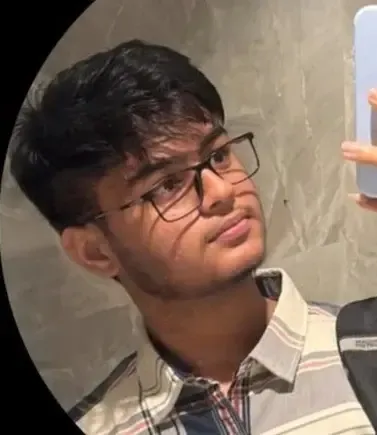
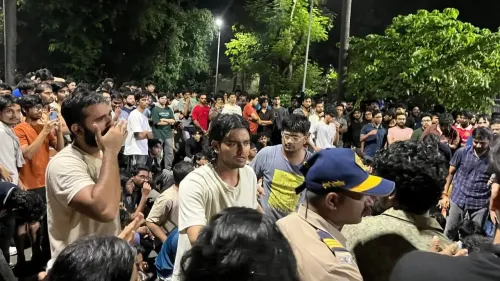
IIT-Bombay student death: Locked iPhone 17 stalls Crime Branch probe
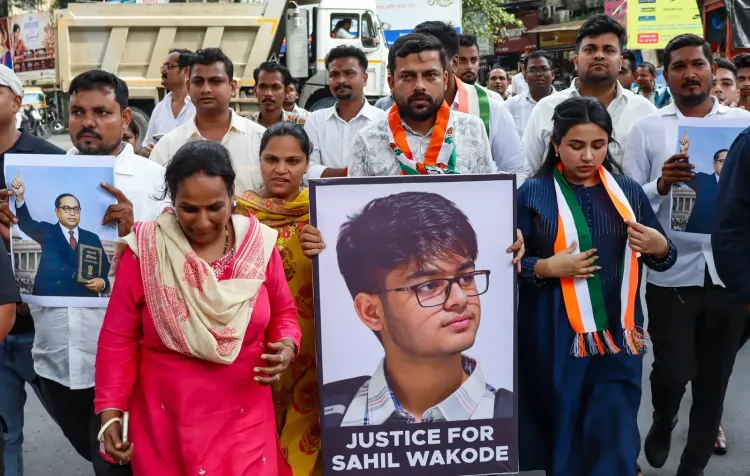
Synopsis
The Mumbai Crime Branch's probe into IIT-Bombay student Sahil Wakode's death has a single, critical bottleneck: a locked iPhone 17 that even his friends couldn't unlock. With a pivotal 47-minute window unaccounted for, the encrypted device may be the only witness — and current forensic tools can't reach it.
Key Takeaways
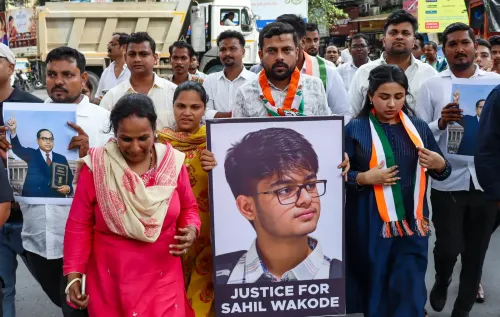
Mumbai Crime Branch is investigating the death of IIT-Bombay student Sahil Wakode .
His iPhone 17 , secured with a pattern lock unknown even to acquaintances, cannot be accessed by current police forensic tools due to advanced encryption.
Investigators are trying to account for a critical 47-minute gap — from 12:38 pm when Sahil left the examination hall to 1:25 pm when he reached his hostel — on 18 September .
CCTV footage from the exam hall, campus, and hostel, along with Sahil's seized laptop , are being examined as parallel evidence trails.
Statements have been recorded from more than 20 people , including students and faculty.
The Crime Branch is reportedly considering enlisting specialised agencies with advanced smartphone decryption capabilities.
The Mumbai Crime Branch investigating the death of IIT-Bombay student Sahil Wakode has hit a significant roadblock — his iPhone 17, secured with a pattern lock that even his close acquaintances reportedly did not know. As of 25 September 2026, investigators remain unable to extract data from the device, a gap that could hold answers to critical questions about his final hours.
What the Phone May Reveal
Investigators believe the locked iPhone could shed light on what Sahil searched for during or after his examination on 18 September, and what transpired in the roughly 47 minutes between when he left the examination hall at around 12:38 pm and when he returned to his hostel room at approximately 1:25 pm. That window remains the central focus of the probe.
According to reports, Sahil was accused of using his mobile phone during the examination. CCTV footage shows Professor Suryanarayan Dulla asking him to leave the examination hall before he eventually made his way back to his hostel.
The iPhone 17 Problem
The challenge is technical as much as investigative. The Crime Branch's existing forensic tools are capable of accessing data from older iPhone models, but the iPhone 17's advanced encryption has rendered those tools ineffective. Without the pattern lock, bypassing the device's security is not straightforward. This is an increasingly common obstacle for law enforcement agencies globally as smartphone encryption grows more robust.
The Crime Branch is now reportedly considering reaching out to other agencies with more advanced capabilities for cracking newer smartphone models and encrypted digital data.
Parallel Evidence Trails
Sahil's laptop has been seized and sent for forensic analysis. CCTV footage from the examination hall, campus corridors, and the hostel is also being scrutinised to reconstruct his movements on 18 September. The case was initially registered as an FIR at Powai police station before being transferred to the Crime Branch.
Notably, investigators have already recorded statements from more than 20 people, including students present in the examination hall and faculty members who were supervising the exam. The probe is attempting to stitch together a timeline using phone call records, the laptop, surveillance footage, and witness accounts.
What Investigators Are Doing Next
The Crime Branch is working to build a minute-by-minute account of events on 18 September by combining all available digital and physical evidence. The decision on whether to formally approach a specialised agency for iPhone data extraction is expected to be taken shortly, according to reports. How quickly investigators can unlock the device may determine the pace and direction of the entire case.
Point of View
Unlike, say, the FBI's long-running legal battles with Apple in the US. Until that framework exists, every new iPhone generation will widen this investigative blind spot. The 47-minute unaccounted window is also a reminder that CCTV networks on even premium campuses are far from seamless — an institutional gap worth addressing independently of this case.
NationPress
25 Sept 2026
Frequently Asked Questions
Who is Sahil Wakode and why is his death being investigated?
Sahil Wakode was a student at IIT-Bombay whose death is being probed by the Mumbai Crime Branch. He was accused of using his mobile phone during an examination on 18 September, was asked to leave the hall, and the circumstances surrounding his death in the hours that followed are under investigation.
Why can't the Mumbai police access Sahil Wakode's iPhone 17?
Sahil's iPhone 17 is secured with a pattern lock that reportedly none of his acquaintances knew. The Crime Branch's current forensic tools can extract data from older iPhone models, but the iPhone 17's advanced encryption makes that impossible without the lock credentials.
What is the significance of the 47-minute gap in the investigation?
The 47-minute window — between 12:38 pm when Sahil left the examination hall and 1:25 pm when he returned to his hostel on 18 September — is the key period investigators are trying to reconstruct. The locked phone may contain searches or communications from that period that could explain what happened.
What other evidence is the Crime Branch examining?
Investigators have seized Sahil's laptop and sent it for forensic analysis. CCTV footage from the examination hall, campus, and hostel is being reviewed. Statements have been recorded from over 20 people, including students and faculty who were present during the examination.
What is the Crime Branch's next step in the investigation?
The Crime Branch is considering approaching specialised agencies with more advanced technology capable of extracting data from newer iPhone models. It is also continuing to piece together the timeline from CCTV footage, call records, and the forensic examination of the laptop.