Did the Madras High Court Dismiss Plea Against ED Actions in Money Laundering Case Involving TN Minister?
Synopsis
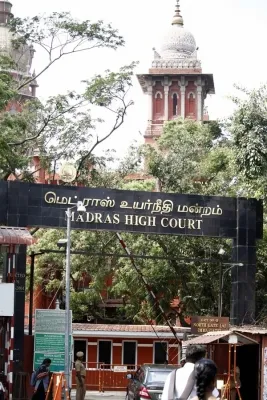
In a significant legal ruling, the Madras High Court has dismissed a plea from Tamil Nadu Minister I. Periyasamy and his family against the ED's actions in a money laundering investigation, emphasizing the need to follow statutory remedies before seeking judicial intervention.
Key Takeaways
The Madras High Court ruled against writ petitions from Minister I.
Periyasamy and his family.
Petitioners bypassed statutory remedies under the PMLA.
ED's enforcement actions are upheld by the court.
The ruling may set a precedent for future cases involving enforcement agencies.
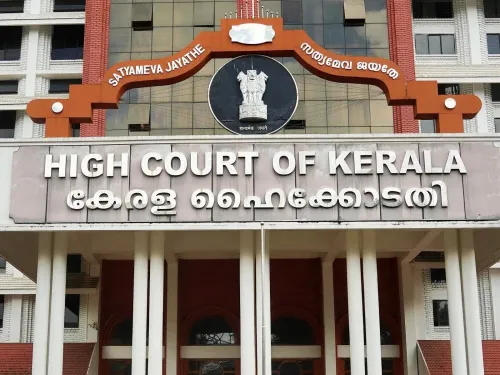
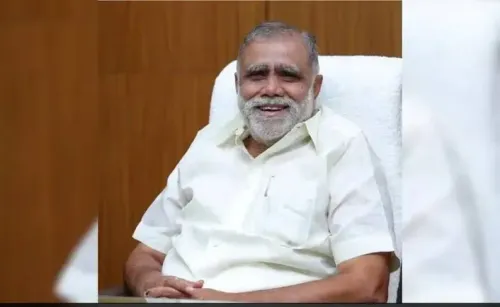
Chennai, Jan 5 (NationPress) The Madras High Court has ruled against a series of writ petitions submitted by Tamil Nadu's Minister for Rural Development, I. Periyasamy, along with his family, contesting the enforcement measures taken by the Directorate of Enforcement (ED) in a money laundering investigation.
A First Division Bench, led by Chief Justice Manindra Mohan Shrivastava and Justice G. Arul Murugan, chose not to hear the petitions after the ED highlighted that the petitioners had overlooked the statutory remedies available under the Prevention of Money Laundering Act (PMLA), 2002.
The Bench acknowledged the argument presented by ED Special Public Prosecutor P. Sidharthan that the petitioners should have initially sought recourse from the adjudicating authority specified in the Act before turning to the High Court's writ jurisdiction.
The petitions were lodged by Minister Periyasamy, his son I.P. Senthilkumar, and his daughter P. Indira, aiming to annul the Enforcement Case Information Report (ECIR) filed against them under the PMLA, alongside all related actions initiated by the ED.
The ECIR was derived from a Disproportionate Assets case previously filed against the Minister by the State police and examined by the Directorate of Vigilance and Anti-Corruption (DVAC).
During proceedings, the court noted that a special court handling Prevention of Corruption Act cases had previously discharged the Minister from the original charges; however, this discharge was later overturned by the Madras High Court in 2025, reinstating the corruption case against him.
After the High Court's reversal, Periyasamy appealed to the Supreme Court, which temporarily halted the proceedings stemming from the High Court's ruling. Relying on this temporary relief, the Minister and his family contended in the High Court that the ED's money laundering inquiries should be halted and sought to quash the ECIR.
Nevertheless, the Division Bench was not convinced by this argument, stating that the Supreme Court's interim stay did not inherently invalidate the actions taken by the ED, particularly since the petitioners had not pursued the alternative remedies offered under the PMLA framework.
This ruling effectively paves the way for the ED's proceedings to progress, pending the outcome of related matters before the Supreme Court.
Point of View
This ruling by the Madras High Court underscores the necessity for public officials to adhere to legal frameworks and the importance of the enforcement agencies in maintaining accountability. The decision may serve as a precedent for future cases involving similar challenges against legal actions undertaken by enforcement authorities.
NationPress
1 Oct 2026
Frequently Asked Questions
What was the outcome of the Madras High Court ruling?
The Madras High Court dismissed the writ petitions filed by Minister I. Periyasamy and his family against the ED's enforcement actions in a money laundering case.
Why did the court dismiss the petitions?
The court ruled that the petitioners had failed to utilize the statutory remedies available under the Prevention of Money Laundering Act before approaching the High Court.
What actions were being challenged by the Minister and his family?
They were challenging the Enforcement Case Information Report (ECIR) filed against them by the ED as part of a money laundering investigation.
What is the significance of this ruling?
This ruling emphasizes the importance of following due legal processes and may impact future legal challenges against enforcement actions.
What is the current status of the ED's investigation?
The ruling allows the ED's investigation to proceed, subject to ongoing related matters in the Supreme Court.