DMK MP Requests ED Investigation into Nine AIADMK Leaders
Synopsis
R. Girirajan of the DMK has filed nine petitions in the Madras High Court, urging the ED to investigate money laundering allegations against senior AIADMK leaders. This move comes ahead of the upcoming elections, raising significant political implications.
Key Takeaways
Girirajan has filed nine writ petitions.
Petitions call for investigations into money laundering against AIADMK leaders.
Allegations stem from existing corruption cases.
Supreme Court ruling underscores need for money laundering probes .
The case may impact the upcoming Assembly elections .
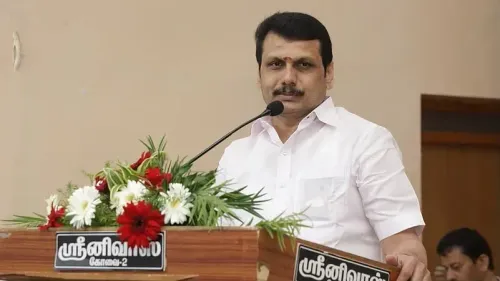
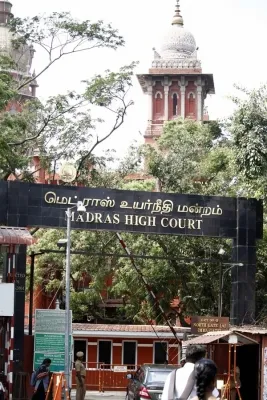
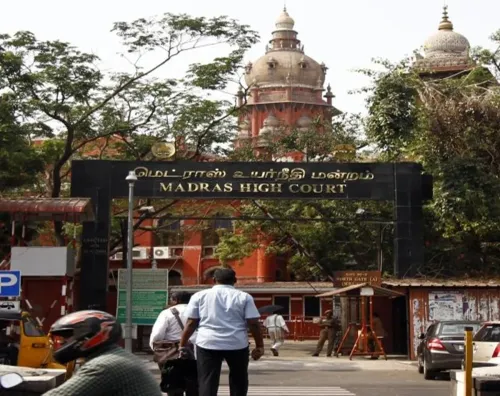
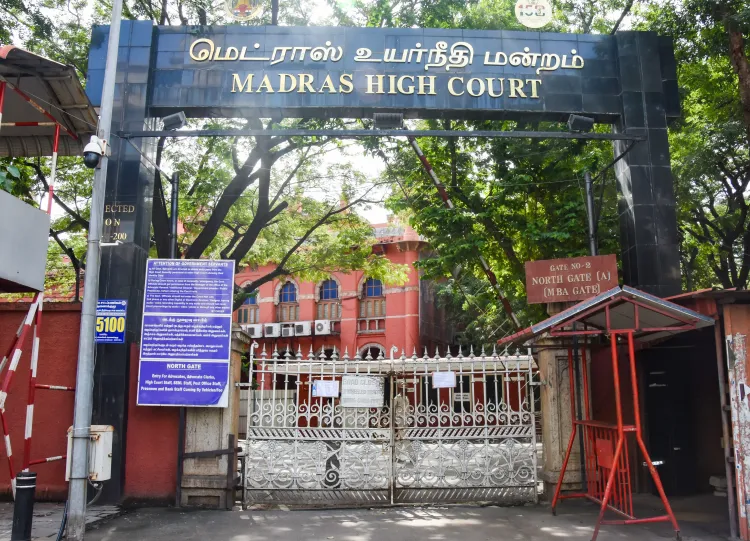
Chennai, March 18 (NationPress) R. Girirajan, a Rajya Sabha member from the Dravida Munnetra Kazhagam (DMK), has submitted nine individual writ petitions to the Madras High Court. He is requesting that the Directorate of Enforcement (ED) be directed to launch investigations into money laundering activities involving several prominent figures from the All India Anna Dravida Munnetra Kazhagam (AIADMK).
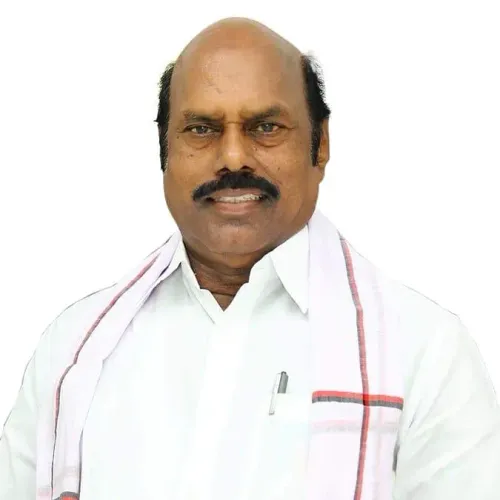
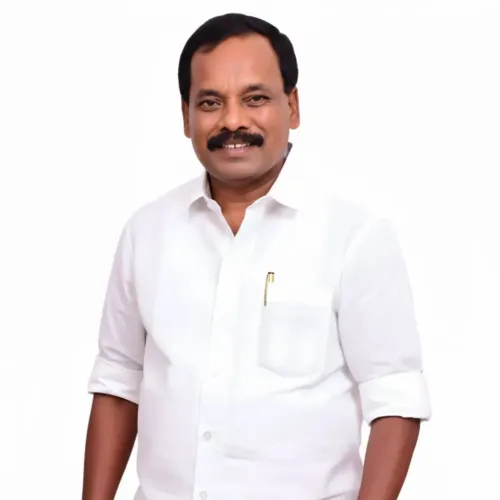
The petitions call for the court to instruct the ED to file Enforcement Case Information Reports (ECIRs) under the Prevention of Money Laundering Act (PMLA), 2002, against former Tamil Nadu Ministers including S.P. Velumani, C. Vijayabaskar, M.R. Vijayabaskar, P. Thangamani, R. Kamaraj, K.P. Anbalagan, and K.C. Veeramani.
Also named in the plea are former MLA ‘T. Nagar’ Sathya, also known as B. Sathyanarayanan, and R. Elangovan, who previously served as the President of the Salem District Central Cooperative Bank.
The petitioner asserts that all nine individuals are already entangled in corruption cases filed by the Directorate of Vigilance and Anti-Corruption (DVAC) under the Prevention of Corruption Act (PCA), 1988.
Girirajan claimed that these cases are categorized as “scheduled offences” under the PMLA, which necessitates the ED to commence parallel investigations into money laundering. He argued that the alleged illicit proceeds from these corruption cases clearly align with the definition of “proceeds of crime” as outlined in Section 2(1)(u) of the PMLA. Consequently, once such proceeds are identified, the ED is both empowered and obligated to register ECIRs, trace the illicit funds, and seize any assets involved, in compliance with the law.
The petitioner highlighted that the DVAC provides transparency by publishing all its FIRs on its official website, and the cases against these AIADMK leaders are already publicly accessible.
According to Girirajan, these FIRs unambiguously reveal the alleged offences under the PCA, removing any uncertainty about the nature of the allegations.
Referencing the Supreme Court's 2024 ruling in the case of Y. Balaji vs. Karthik Desai, Girirajan stressed that the court had emphasized the imperative to initiate money laundering investigations in situations involving corruption by public officials.
The court noted that the acquisition of illicit rewards constitutes “proceeds of crime” and is tantamount to money laundering.
“Given this binding precedent, the ED is required to file ECIRs without delay,” the petitioner argued, urging the High Court to provide appropriate directives to the central agency.
This case is anticipated to be heard in the near future, ahead of the April 23 Assembly elections.
Point of View
It is crucial to recognize the implications of R. Girirajan's petitions against AIADMK leaders. This case underscores the ongoing scrutiny of political figures in Tamil Nadu, particularly concerning corruption and money laundering. The action taken by the DMK could significantly influence the upcoming elections, reflecting the intricate nexus between law and politics in the region.
NationPress
1 Oct 2026
Frequently Asked Questions
What are the allegations against the AIADMK leaders?
The AIADMK leaders are accused of involvement in corruption cases under the Prevention of Corruption Act, 1988, and money laundering as defined by the Prevention of Money Laundering Act, 2002.
Who filed the writ petitions?
The writ petitions were filed by R. Girirajan, a Rajya Sabha member from the Dravida Munnetra Kazhagam (DMK).
What does the petitioner want the ED to do?
The petitioner seeks a directive for the ED to register Enforcement Case Information Reports (ECIRs) and initiate investigations into the money laundering allegations against the AIADMK leaders.
What is the significance of the upcoming Assembly elections?
The upcoming Assembly elections on April 23 are significant as they could influence the political dynamics in Tamil Nadu amidst ongoing legal scrutiny of key political figures.
How does the Supreme Court's ruling impact this case?
The Supreme Court's ruling emphasizes the necessity for initiating money laundering probes in cases involving corruption by public servants, highlighting the legal obligations of the ED.